
Last updated November 25, 2026
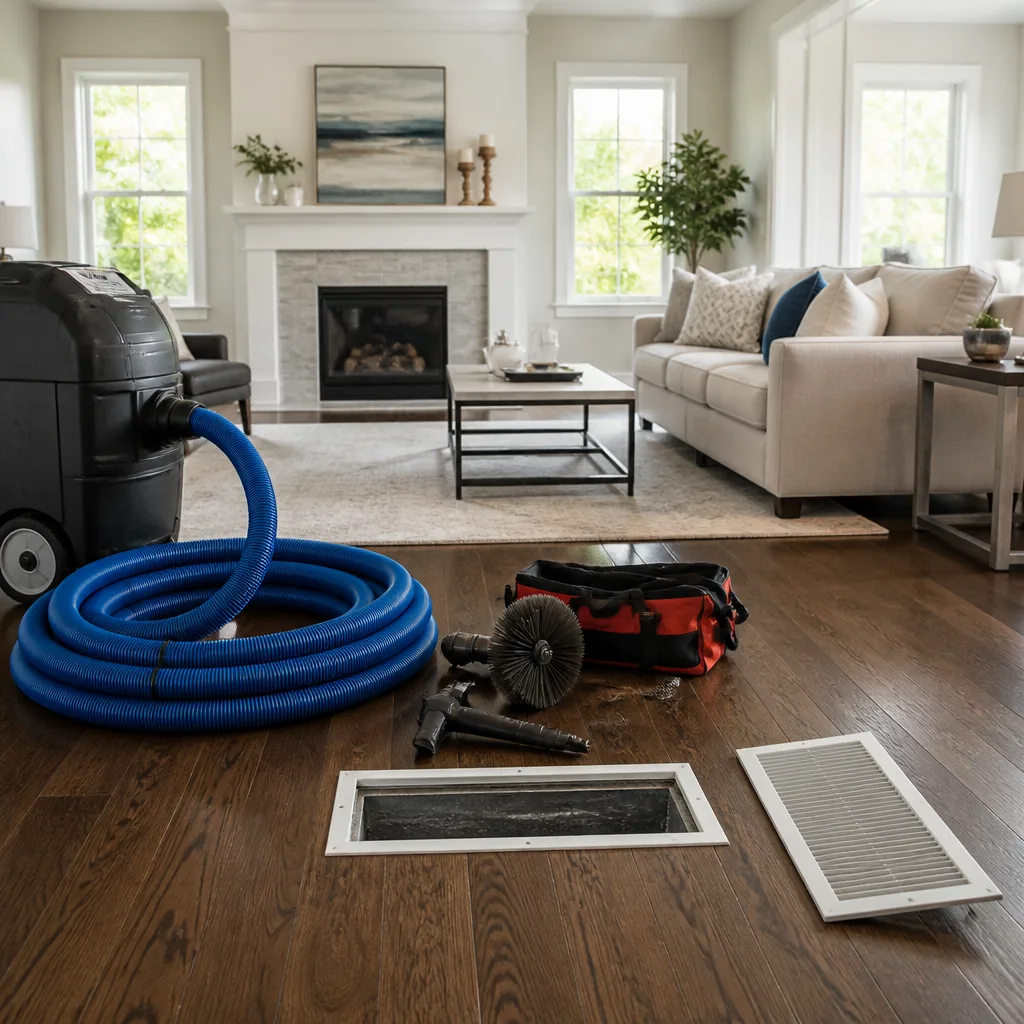 Whole-home duct cleaning
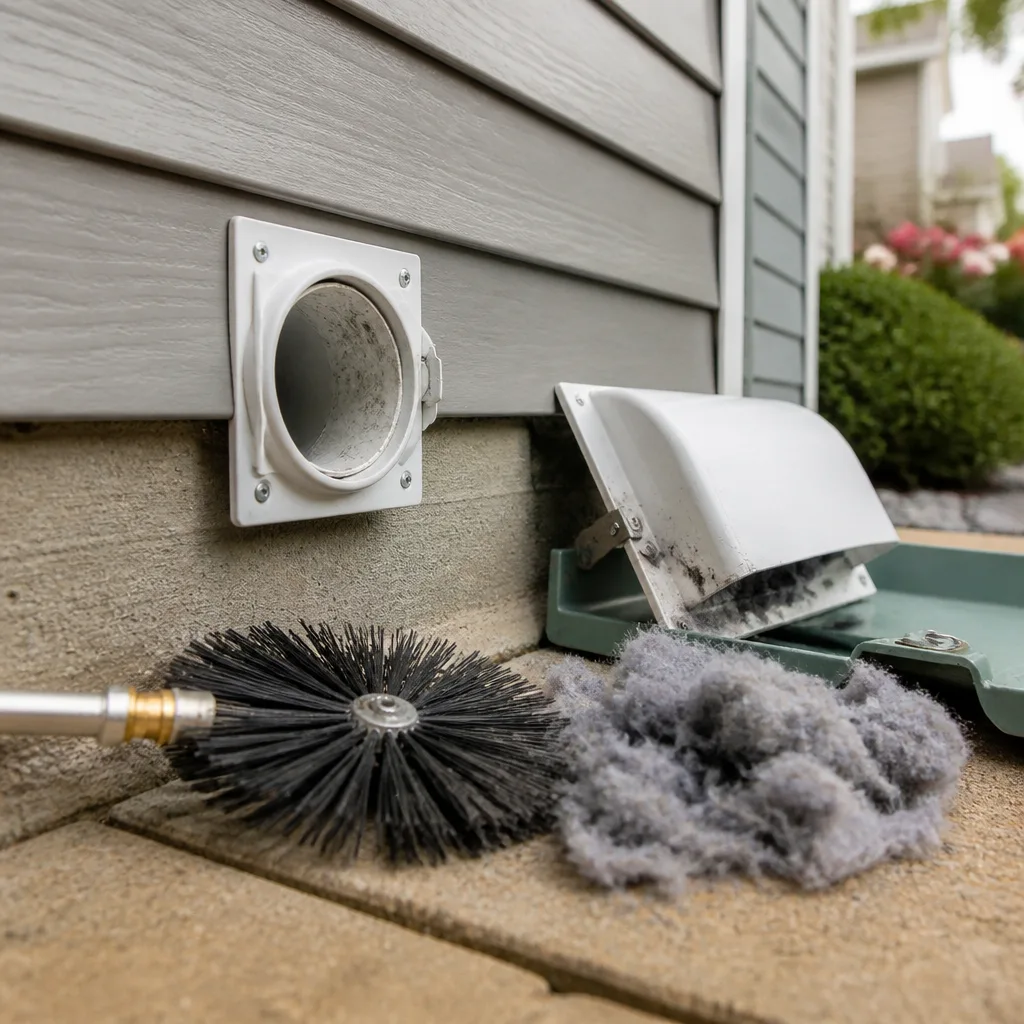 Dryer vent cleaning
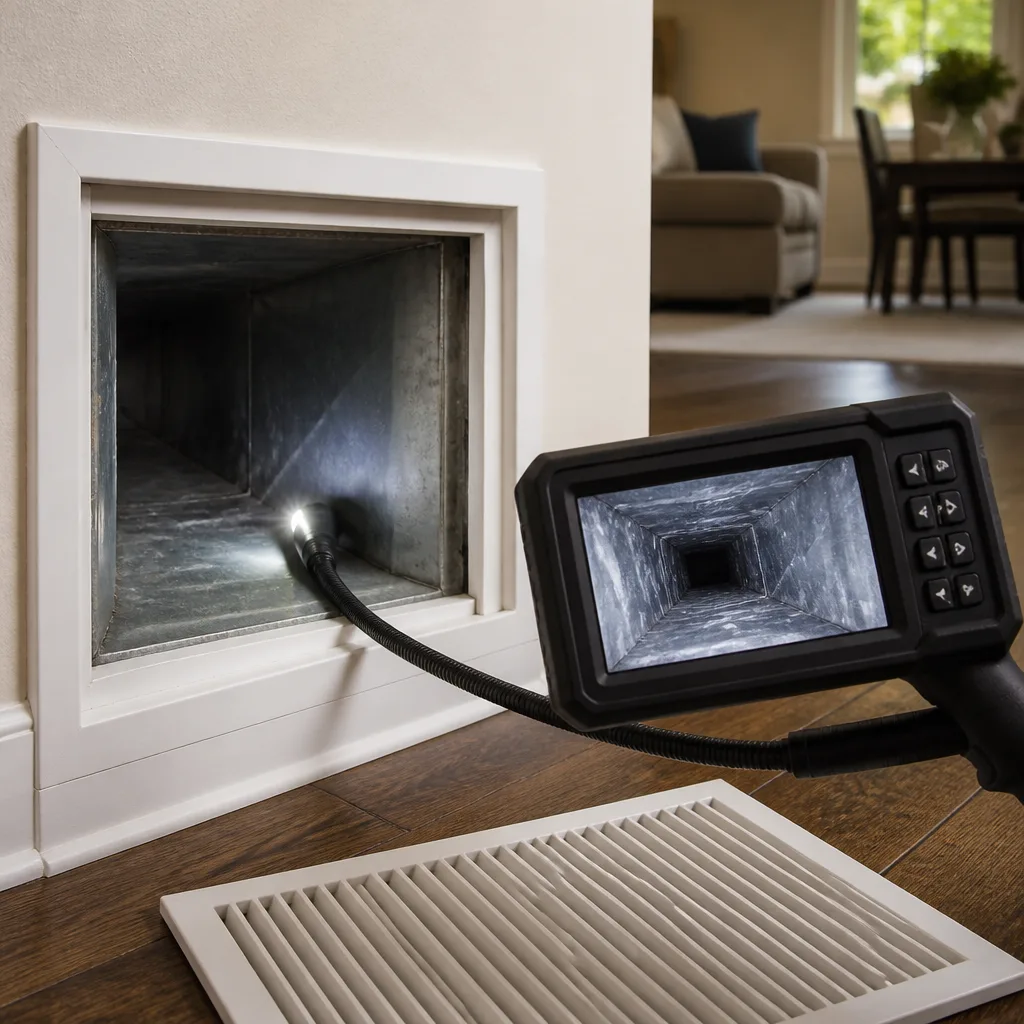 Camera inspection
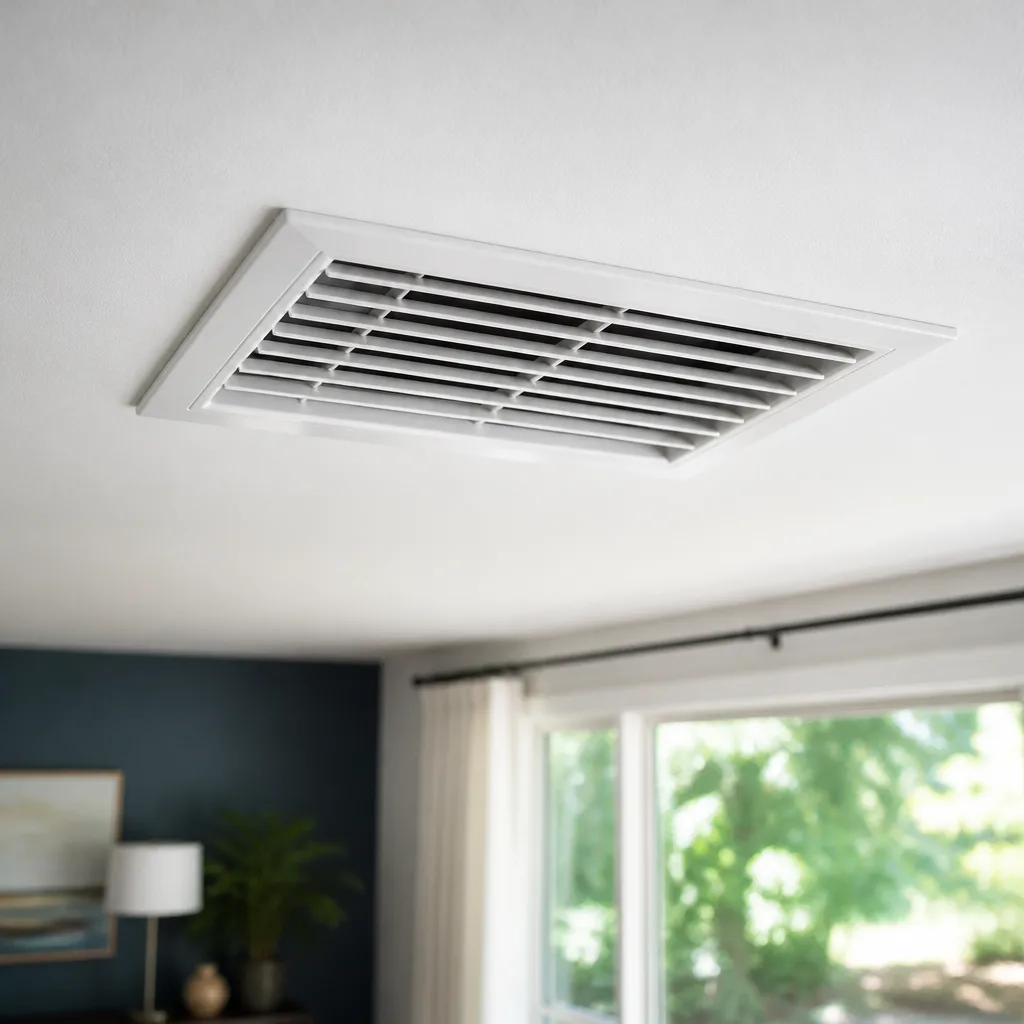 Sanitizing & deodorizing
Whole-system duct and dryer vent check with before-and-after photos - you see exactly what came out of your vents
That "$99 whole-house special" is a bait ad - the real number appears once they are in your hallway, or the "clean" is a shop-vac at the register. We photograph the inside of your ducts before and after instead.
How to Hire an Air Duct Cleaning Contractor in Meyerland: A Step-by-Step Guide
Texas does not require a specific duct cleaning license. That single fact explains most of what goes wrong when homeowners hire someone to clean their ducts. The company that arrives with a leaf blower and a shop vac is operating as legally as one carrying Nikro HEPA units and a Rotobrush rotary brush system. Legality and competence are two different questions here, and only one of them protects your home. This guide shows you how to tell them apart before anyone steps through your door in Meyerland. You’ll learn the three equipment questions that expose a bargain operation, how to verify NADCA membership, the exact scope line items a quote must contain, and how to check the work yourself when it’s done.
Quick Answer
To hire an air duct cleaning contractor in Meyerland, ask three questions before you book: what is your agitation method, what is your negative pressure source, and how do you seal the system during cleaning. A legitimate contractor answers all three with specific equipment names and a written scope. Then verify NADCA membership directly on the association’s website, require the job scope in writing, and compare quotes only after every bid covers the same line items. Price means nothing until the scope matches.
Styles & brands we work with
- Whole-home duct cleaning
- Dryer vent cleaning
- Camera inspection
- Sanitizing & deodorizing
Table of Contents
- Why Texas Has No Duct Cleaning License (and What That Means for You)
- The Three Equipment Questions That Filter Out Amateurs
- What NADCA Membership Actually Means
- Houston-Area Red Flags Specific to Duct Cleaning
- How to Get a Comparable Quote: Scope Line Items to Require
- Our Step-by-Step Hiring Method for Meyerland Homeowners
- Post-Job Verification You Can Do Without Equipment
- Why Meyerland’s Climate Makes Duct Condition Matter
Why Texas Has No Duct Cleaning License (and What That Means for You)
Texas does not issue a state license for air duct cleaning. There’s no exam, no minimum equipment standard, no continuing education requirement. Anyone with a business name and a phone number can advertise duct cleaning in Meyerland tomorrow. Compare that to electrical work, plumbing, or HVAC refrigerant handling, where the state sets licensing and insurance requirements that can be checked. Duct cleaning sits in an open field.
The practical consequence is that “licensed and insured” tells you less than you’d expect. A contractor can hold a general business permit and carry liability insurance while running consumer-grade equipment that does more harm than good. Some setups redistribute debris through the house rather than removing it, especially when there’s no containment and no negative pressure.
So what protects you? Documentation and specificity. A contractor who can name their equipment, describe their process, and hand you a written scope before work begins is demonstrating competence that no license would certify anyway. Ask for a certificate of insurance and confirm it covers the work being done. Then lean on the process questions below. In an unlicensed market, the questions are the license.
What to confirm before booking
- A written scope of work, sent before the appointment, not handed over on arrival
- Certificate of insurance covering the job
- Specific equipment names, not “professional equipment” as a phrase
- A price for the whole system, not a per-vent rate or a teaser figure
- Before-and-after photos of your own ducts as part of the deliverable
The Three Equipment Questions That Filter Out Amateurs
Three questions separate professional-grade duct cleaning from a surface pass. Ask them on the phone. You’ll know within a minute which kind of contractor you’re talking to.
Question 1: What’s your agitation method?
Dust bonds to duct walls. A vacuum alone pulls loose debris from the open floor of the duct and leaves the film that’s actually feeding your allergies. Professional cleaning requires mechanical agitation, meaning something physically contacts and loosens the buildup. Rotobrush rotary brush systems are the standard for residential work; contractors who do commercial jobs often use the same equipment. If the answer is “we vacuum it out” with no agitation step, the job isn’t really cleaning.
Question 2: What’s your negative pressure source?
Once debris is loosened, it has to go somewhere. The professional standard is HEPA filtration under negative pressure, which keeps the system under vacuum so dislodged particles travel to a collection unit rather than into your living room. Nikro HEPA units serve this role, and Abatement Technologies equipment goes further for serious contamination. A shop vac in the hallway is not a negative pressure source. Listen for the word HEPA.
Question 3: How do you seal the system during cleaning?
Registers, grilles, and the air handler opening need to be closed off during the job. Without sealing, negative pressure is compromised and debris escapes. Ask exactly how they handle it. A contractor who describes their sealing method without prompting has done this work enough to have it built into the process.
If you get confident, specific answers on all three, you’re likely dealing with a professional. For a closer look at what a full-system job includes, see our page on air duct cleaning. If any answer is vague, keep calling.
What NADCA Membership Actually Means
NADCA is the National Air Duct Cleaners Association. Membership signals that a contractor has committed to the association’s standards, and many members pursue its Air Systems Cleaning Specialist certification, which requires testing and continuing education. It’s the closest thing this trade has to a credential.
Here’s what membership doesn’t guarantee. It isn’t a license, and it isn’t a quality assurance stamp on any particular job. A member can still cut corners. A non-member can still do excellent work. Treat membership as one data point, not a verdict.
How to verify it in two minutes
- Go to NADCA’s website and use the find-a-professional tool.
- Search the contractor’s company name, not just the phone number.
- Confirm the listing is current, not lapsed.
- If they claim an ASCS-certified technician, ask that person’s name and confirm it.
- Cross-check the equipment answers from the previous section against what the listing describes.
In our experience, a contractor who mentions NADCA membership without being asked is usually proud of their process. One who claims membership and can’t be found in the directory is another story. Verify. It takes less time than the phone call.
Houston-Area Red Flags Specific to Duct Cleaning
Duct cleaning scams cluster around a few recognizable patterns in the Houston market. Meyerland homeowners get hit with the same plays. Learn them once.
Lowball door hangers and “specials”
A price that looks like it can’t possibly cover a whole-system job usually can’t. It’s a foot-in-the-door number. Once the technician is in the attic and has your system opened up, the low price gets replaced with a much larger invoice built from add-ons you didn’t agree to. The fix is simple: agree to one flat price per system in writing before any work starts.
Mold scare tactics without testing
Mold claims require evidence. A contractor who opens a register, points a flashlight inside, and announces mold without a swab test, air sample, or moisture reading is selling fear. Legitimate contamination assessment is specific and documented. Ask for the test results. No test, no claim.
Refusal to provide written scope
If a contractor won’t put the job scope in writing before starting, that’s a hard stop. Verbal scope is the mechanism by which bait-and-switch works. The written estimate sets the final price. Get it.
Other warning signs
- Quotes given per vent with no whole-system number
- Pressure to approve extra work on the spot with no written estimate
- No before-and-after photos offered, or refusal to show the inside of the ducts
- Answers about equipment that turn into sales pitches
- Vague “we sanitize everything” claims with no product named
For a related warning list, our dryer vent cleaning page covers the same bait-and-switch patterns as they show up in vent work.
How to Get a Comparable Quote: Scope Line Items to Require
Comparing two duct cleaning quotes is meaningless unless both bids cover the same work. A $200 quote and a $700 quote might describe the same job, or one might be cleaning half of it. Require these line items in writing from every contractor before you compare.
Required scope line items
- Number of supply registers and return grilles included
- Agitation method and equipment named (e.g., rotary brush, compressed air whip)
- Negative pressure source and filtration type (HEPA, containment setup)
- Sealing method used during the job
- Air handler and HVAC cleaning included or not
- Sanitizing included or priced separately, with product named
- Duct repair and sealing scope, if leaks are found
- Before-and-after photo documentation of your ducts
- Total flat price for the whole system, one number, not per-vent
- Written estimate as the final price timeframe and any conditions
A bid missing three or more of these isn’t a comparable bid yet. Send it back and ask. A professional contractor will fill it in without complaint. If your system also needs the HVAC side addressed, our HVAC cleaning page explains what that scope covers separately. Cleaning and HVAC work overlap but aren’t the same job, and a quote should make the boundary clear.
What to do with the numbers
Once every bid covers the same items, the prices finally mean something. The lowest isn’t automatically wrong, but if one bid sits well below the others, figure out what it left out. Often it’s the sealing, the sanitizing, or the return-side cleaning.
Our Step-by-Step Hiring Method for Meyerland Homeowners
Here’s the process we suggest, in order. It takes two or three phone calls and a bit of patience, and it eliminates most of the risk.
- Build a short list of three contractors. Search NADCA’s directory for pros serving Meyerland, then ask around. Word of mouth from neighbors in Bellaire or Westbury helps.
- Ask the three equipment questions on the phone. If any answer is vague, cross that contractor off. Don’t waste an in-person visit.
- Request the written scope by email. Name every line item from the previous section. Give a couple of days.
- Verify NADCA membership independently. Two minutes, direct on the site.
- Ask for the certificate of insurance. Confirm the coverage is current.
- Compare bids line by line, not by total. Note what each contractor included and left out.
- Confirm the flat whole-system price. Get the number in writing before the appointment.
- Ask how before-and-after photos will be delivered. Photo documentation of your own ducts is part of the job, not a favor.
- Book the appointment. You’ve done the filtering. Now the work is straightforward.
We built our own process around this method. When we arrive at a Meyerland home, we bring a Rotary brush system for agitation, Nikro HEPA units for extraction, and Abatement Technologies equipment for contamination scenarios that go beyond routine dust. Our technicians have up to 11 years of experience with this equipment. You can see the full service list on our Air Duct Cleaning Meyerland page. We use the same equipment commercial HVAC contractors rely on, not shop vacs, and the written estimate sets the final flat price for the whole system.
Post-Job Verification You Can Do Without Equipment
You don’t need a moisture meter or a particle counter to check whether the job was done. A few simple comparisons work.
Airflow comparison
Before the cleaning, hold your hand at a supply register with the system running. Note the strength. Do the same after. Airflow should feel equal or stronger at every register. If one register feels noticeably weaker after the job, ask why. It might be a disconnected duct or a closed damper, and that’s worth checking before the system runs again.
Visual register inspection
Shine a flashlight into each register. The sheet metal should be visibly free of the dust film that was there before. A thin haze inside the boot is normal; a carpet of dust is not. Take your own photos before the job and compare afterward. The contractor’s before-and-after photos should match what you see.
Filter baseline check
Note the date and condition of your air filter at the time of the cleaning. A freshly cleaned system should let the filter load at a normal rate. If a new filter darkens heavily within a couple of weeks, debris remains somewhere in the system or a duct is pulling from an unfiltered space. That’s the point where duct repair and sealing matters, not more vacuuming. If leaks are the issue, mention it when you call and we can scope the repair alongside the cleaning.
Odor check
A musty or chemical smell right after cleaning is normal for a day or so, especially after sanitizing. A musty smell that persists means moisture or biological growth somewhere the cleaning didn’t reach. That’s worth a follow-up conversation.
Why Meyerland’s Climate Makes Duct Condition Matter
Meyerland spends most of the year running its air conditioning hard. Long cooling seasons mean ducts are in near-constant use, and a system that runs year-round accumulates dust, pollen, and moisture differently than one that takes a winter off. The mild winters here are good news for pipes. For ducts, the year-round runtime means the buildup is steady, and the filtration load never really rests.
Houston’s humidity adds a second layer. Condensation on cold duct surfaces creates the damp conditions biological growth likes. That’s why sanitizing and filtration additions like Aprilaire and Honeywell products come up in a proper conversation: not as upsells, but as ways to keep cleaned ducts cleaner through another long cooling season. Mold concerns in Meyerland homes, when they’re real, usually trace back to moisture somewhere in the system. A cleaning that finds it is worth more than a cleaning that doesn’t.
None of this argues for annual cleaning as a rule. It argues for knowing the condition of your system. Homes near the bayou sides of Meyerland with heavy pollen exposure may warrant a look sooner than a house on higher ground. The right threshold is what you see in the ducts, not a fixed calendar. For the broader picture on what cleaning, dryer vents, HVAC systems, and sanitizing cover together, our main page covers the full scope.
Common Mistakes to Avoid
- Comparing prices before comparing scope. A $49 special and a $600 whole-system quote aren’t the same job. Require the line items first, then put the numbers side by side.
- Accepting a per-vent price. Per-vent pricing gives a contractor an incentive to count registers a certain way and leaves the total unknown until the end. Ask for a flat whole-system price in writing.
- Skipping the equipment questions because the contractor sounds professional. Some of the smoothest operators in this market use the weakest equipment. The questions are the filter, not the demeanor.
- Trusting NADCA membership without verifying. The directory lookup takes two minutes. Claimed memberships that don’t show up there are a warning sign.
- Paying for sanitizing without a product name. “We sanitize” means nothing without the specific product. Ask what will be applied and confirm it’s appropriate for your system and household.
- Not asking for before-and-after photos of your own ducts. General marketing photos don’t tell you what happened inside your system. Photos of your registers before and after do.
- Treating the cleaning as the whole job. If ducts have gaps, disconnected joints, or damaged insulation, cleaning alone won’t fix airflow. Sealing the leaks is what keeps a cleaned system clean.
See the difference
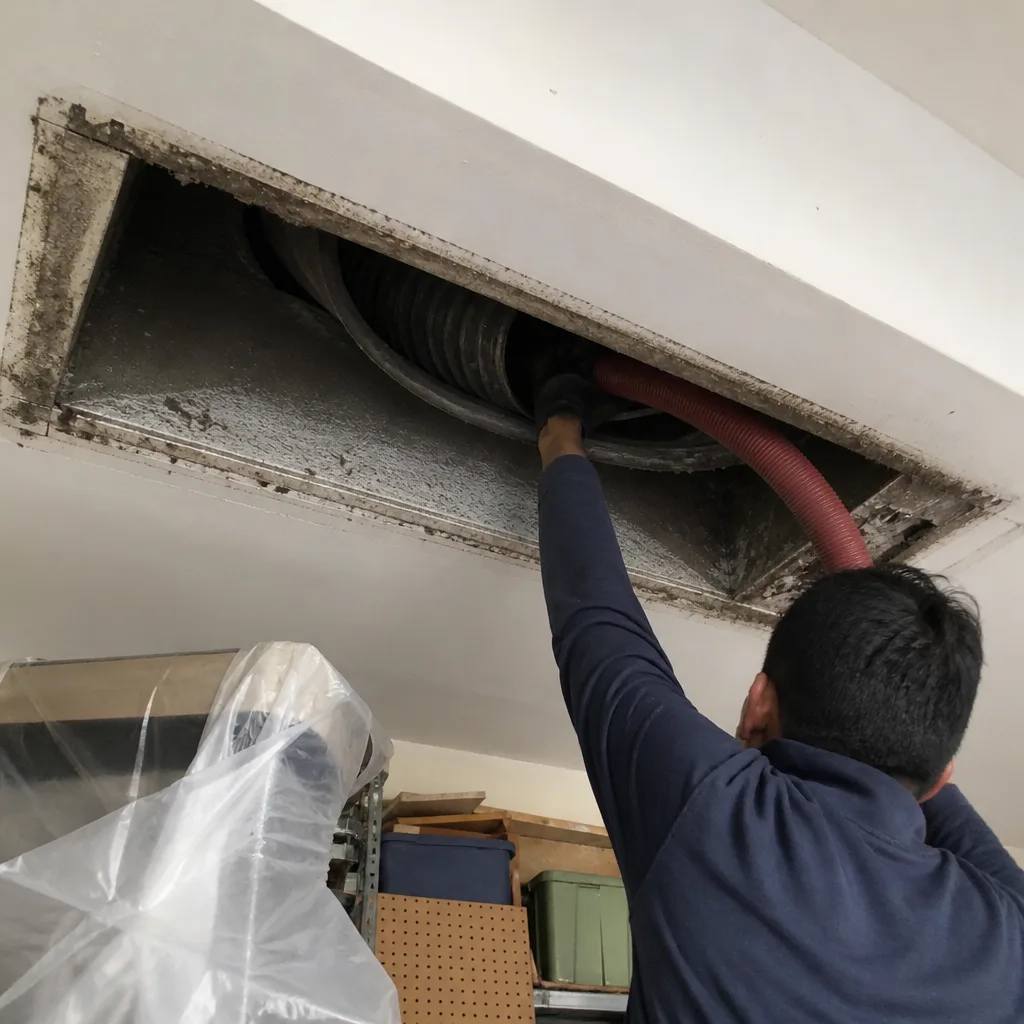 Before
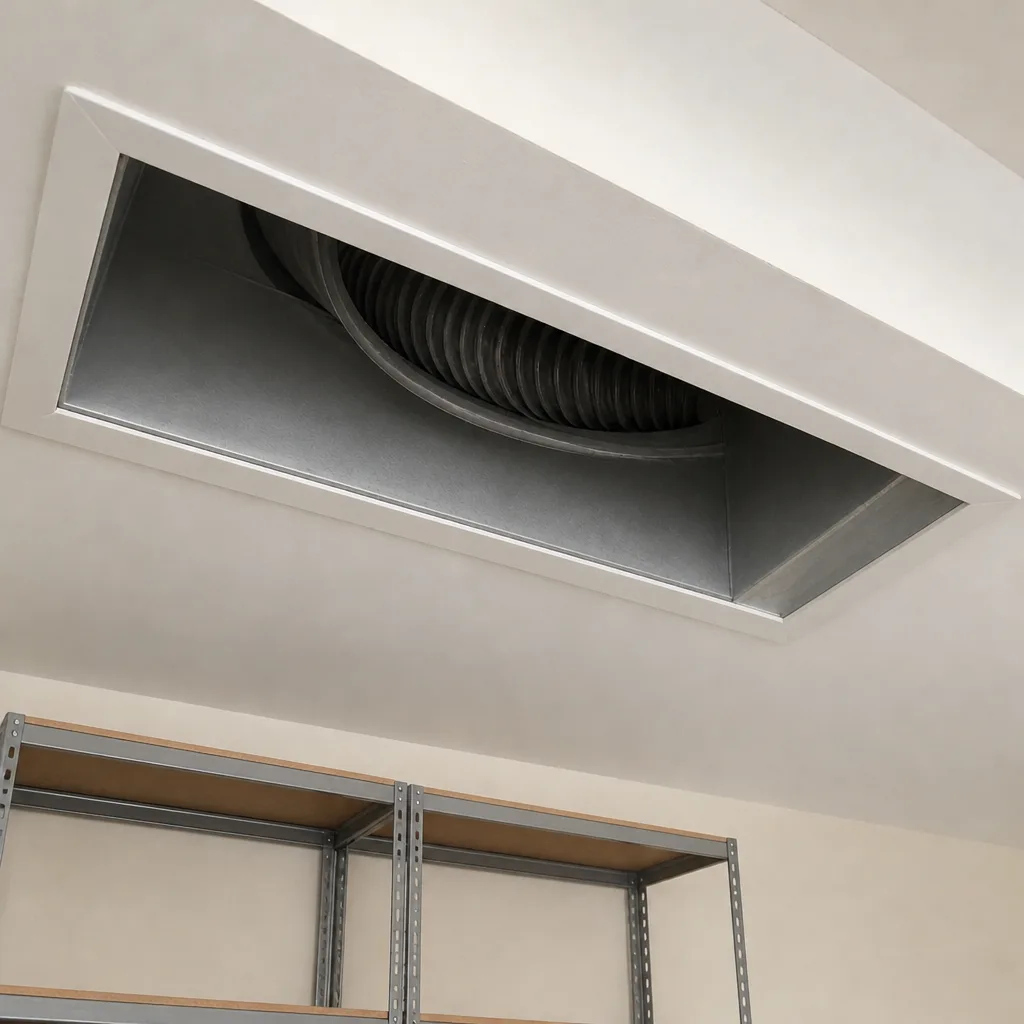 After
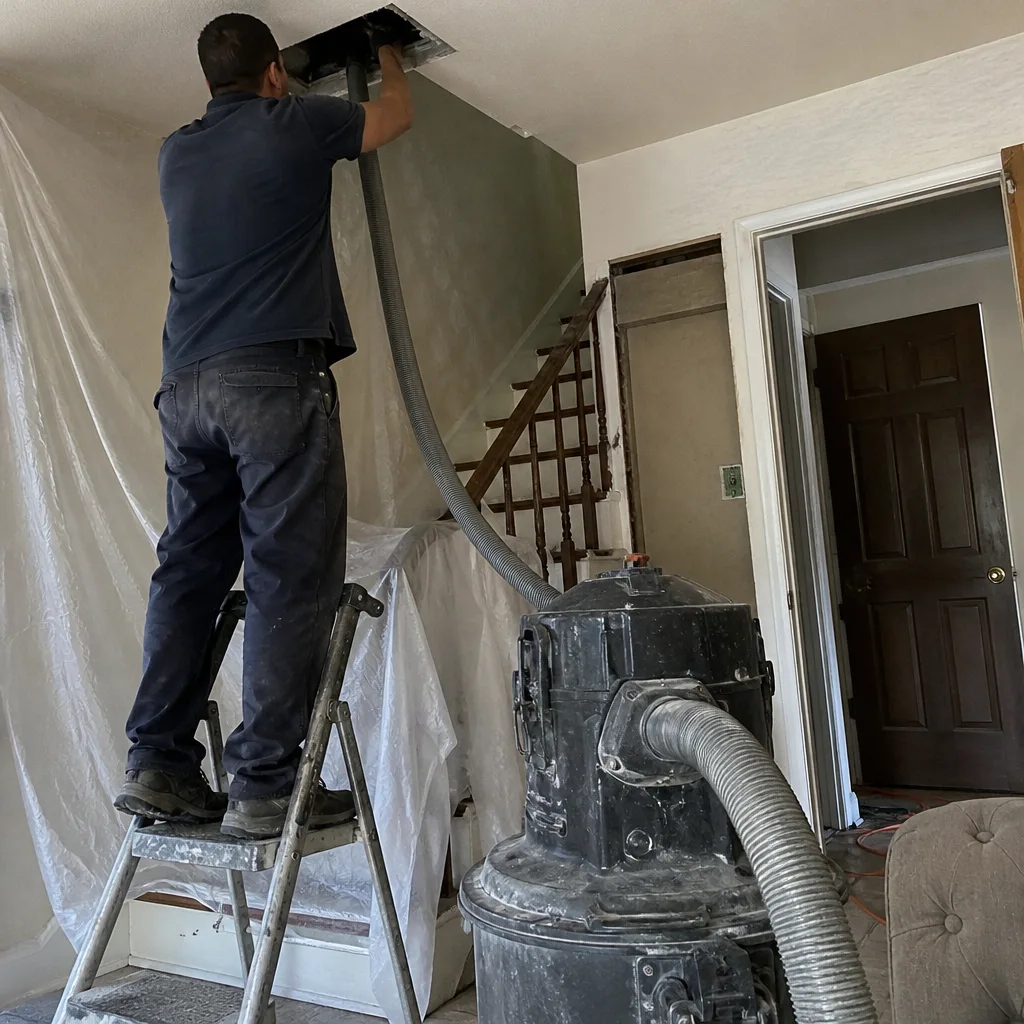 Before
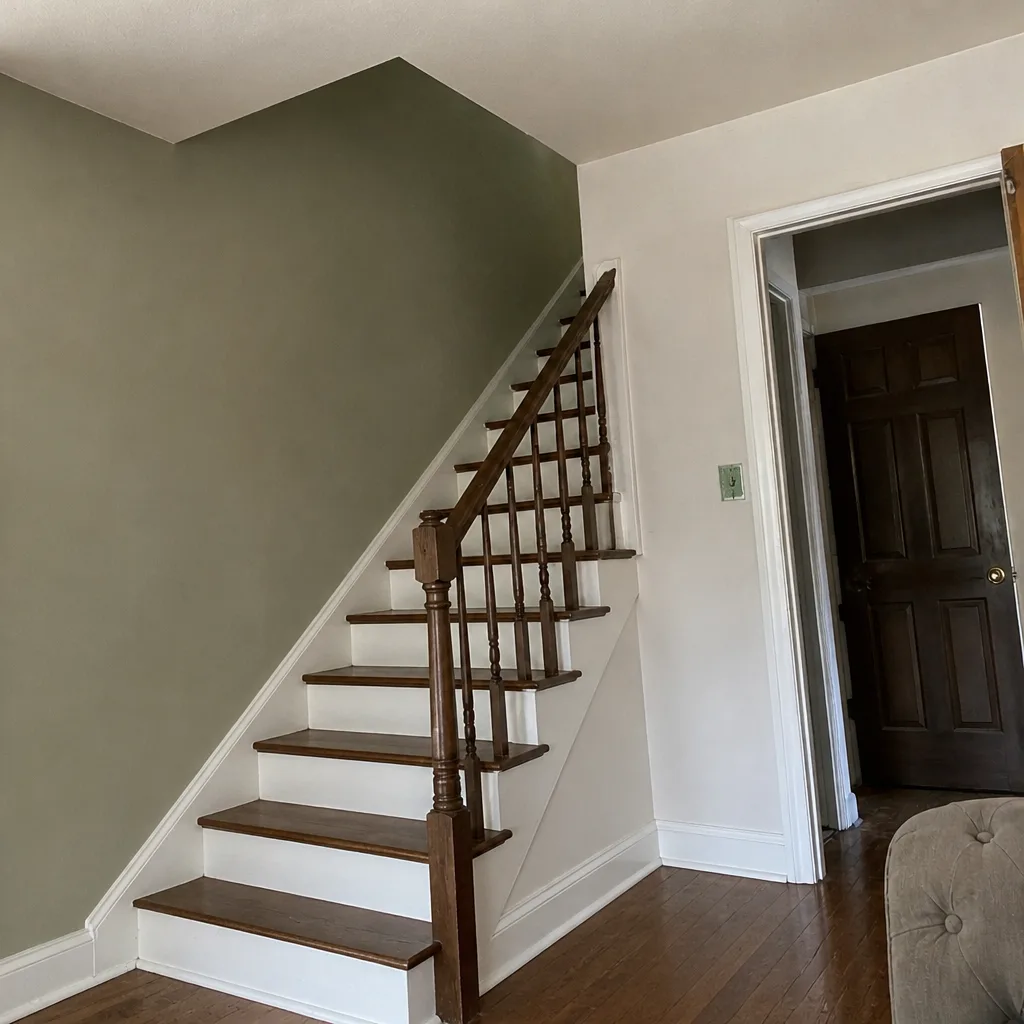 After
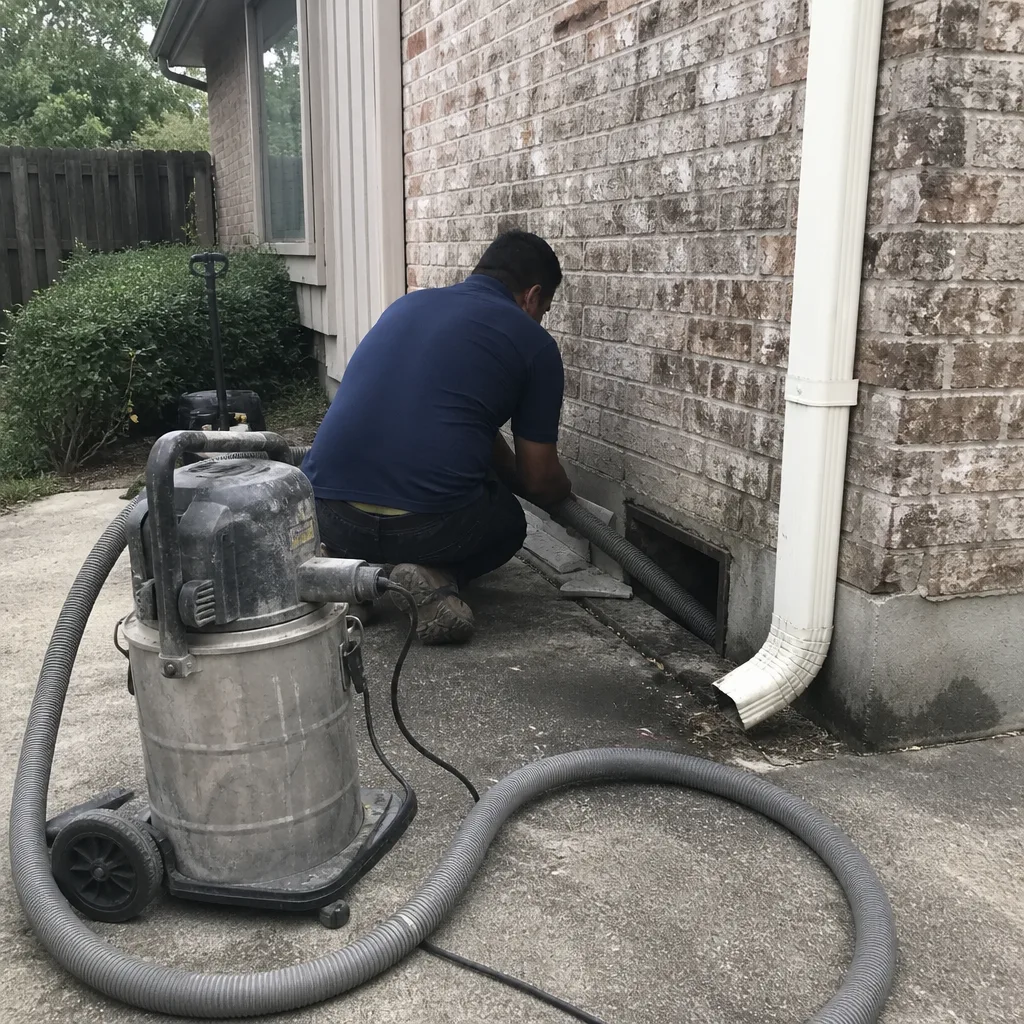 Before
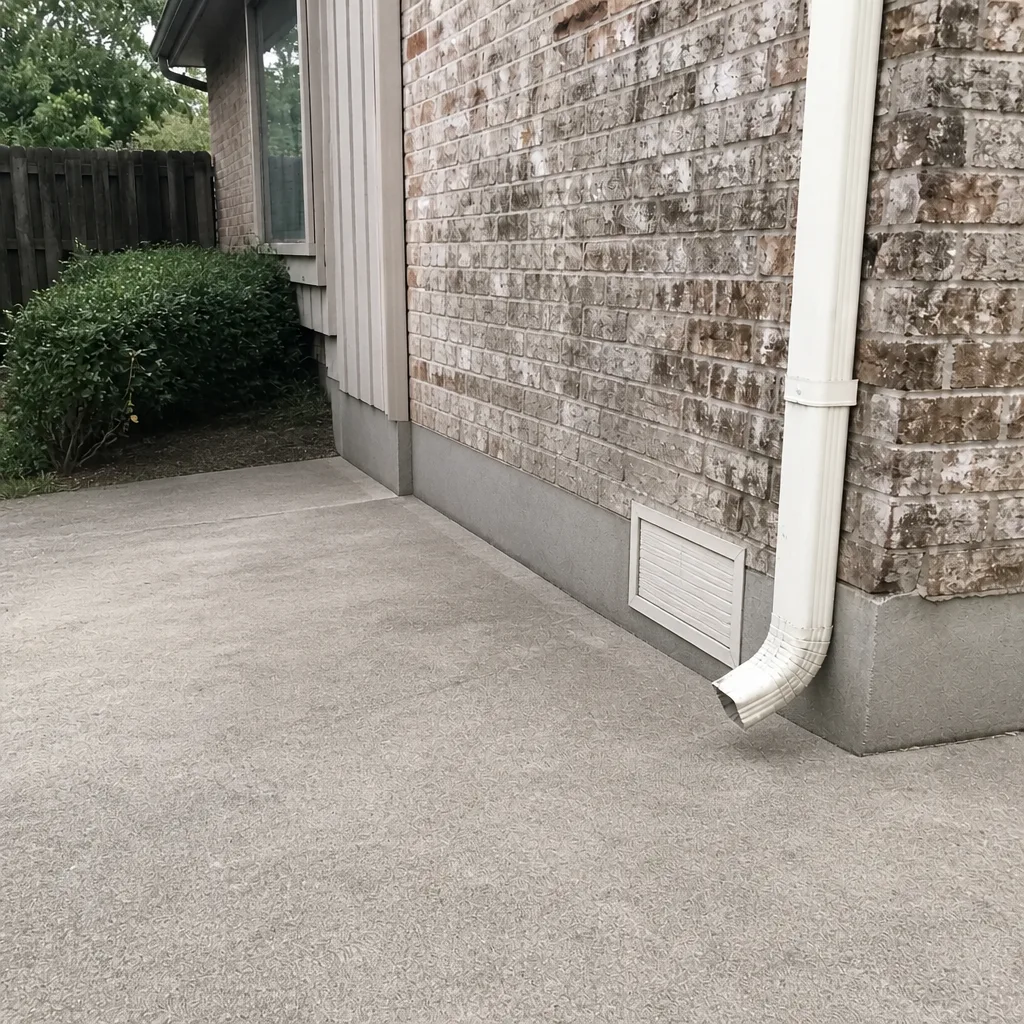 After
When to Call a Professional
Some signs point clearly to a professional visit. Visible dust blowing from supply registers when the system starts. A musty smell in one room that won’t go away. Noticeable dust buildup on furniture soon after cleaning the house. Unexplained allergy flare-ups that seem tied to the air conditioning. A recent renovation that left construction dust in the return side. Visible mold near a register, which needs a proper assessment, not a shop-vac pass. In each case, the question isn’t whether to clean but whether the underlying cause is addressed. That means agitation, HEPA extraction, and sealing in the same visit. Air Duct Cleaning Meyerland offers free estimates in Meyerland and the surrounding area. Call (877) 492-2022. We answer 24/7. Fast dispatch from 7am to 7pm, Sunday through Friday. The written estimate sets the final price, one flat number per system, and the estimate costs nothing.
Frequently Asked Questions
Pricing depends on system size, how many registers and returns are included, whether HVAC cleaning and sanitizing are part of the job, and whether any duct repair or sealing shows up after inspection. We give a flat price per system in a written estimate before work begins, and that number is the final price. Call (877) 492-2022 for an exact quote, estimates are free.
Cheap quotes usually leave something out, and the most common omissions are proper agitation, HEPA extraction, sealing, and return-side cleaning. A low number can also be a door-opener for add-ons once the technician is inside the attic. Ask what’s not included, require the same scope from every bidder, and compare that way. Call (877) 492-2022 and we’ll walk through what a complete scope covers.
Ask for before-and-after photos of your own ducts delivered as part of the job. Then check the registers yourself with a flashlight and compare airflow by hand at each one. If a new filter darkens quickly afterward, bring it up. Call (877) 492-2022 if you want the photos and the scope explained before you book.
There’s no fixed schedule that fits every house. Frequency depends on dust load, filters, pets, renovations, and whether your system runs year-round, which is true for most Meyerland homes given the long cooling season. A better rule is to inspect and decide based on what’s actually there. Call (877) 492-2022 for a free scope review.
No. Texas does not issue a specific duct cleaning license, which is why equipment and process questions carry more weight here than paperwork. Confirm insurance, verify NADCA membership independently, and ask the three equipment questions before hiring. Call (877) 492-2022 and we’ll answer them the way you’d expect.
Removing accumulated dust from duct walls reduces the material that gets circulated through the house each time the system runs, which matters more in a home running AC most of the year. If gaps or moisture are present, sealing and sanitizing are the parts that keep it from returning. Call (877) 492-2022 and we’ll look at the whole system, not just the visible dust.
The Bottom Line
In a state without a duct cleaning license, your judgment is the credential check. Ask the three equipment questions: agitation method, negative pressure source, sealing method. Verify NADCA membership yourself. Require a written scope with every line item before comparing any price. Agree to one flat whole-system number, and check the work with a flashlight, your hand at the registers, and your own eyes on your own ducts. Do those things in Meyerland and most of the risk disappears. The last call you’ll need to make is a booking. Call (877) 492-2022. We answer 24/7. Fast dispatch from 7am to 7pm, Sunday through Friday. Our technicians have up to 11 years of experience, and the written estimate sets the final price.
Written by the team at Air Duct Cleaning Meyerland.