
Last updated November 25, 2026
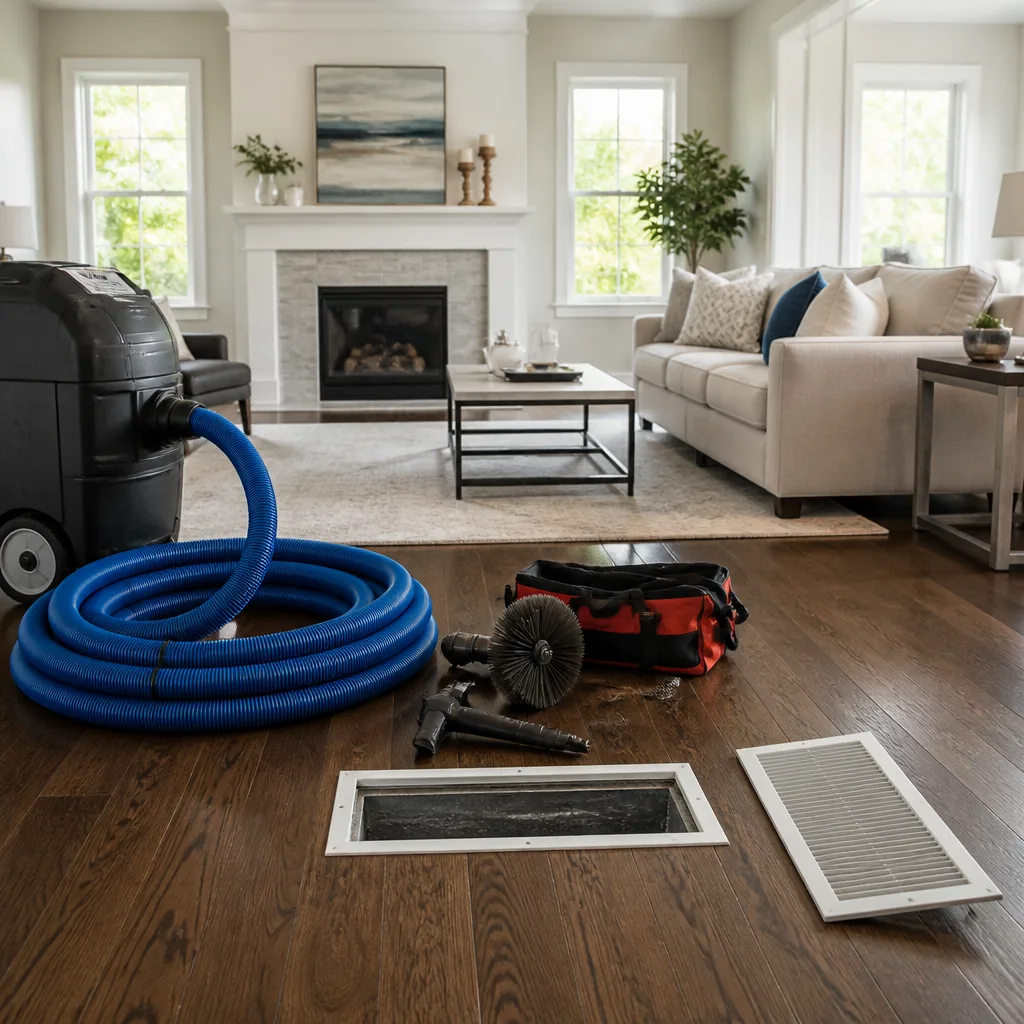 Whole-home duct cleaning
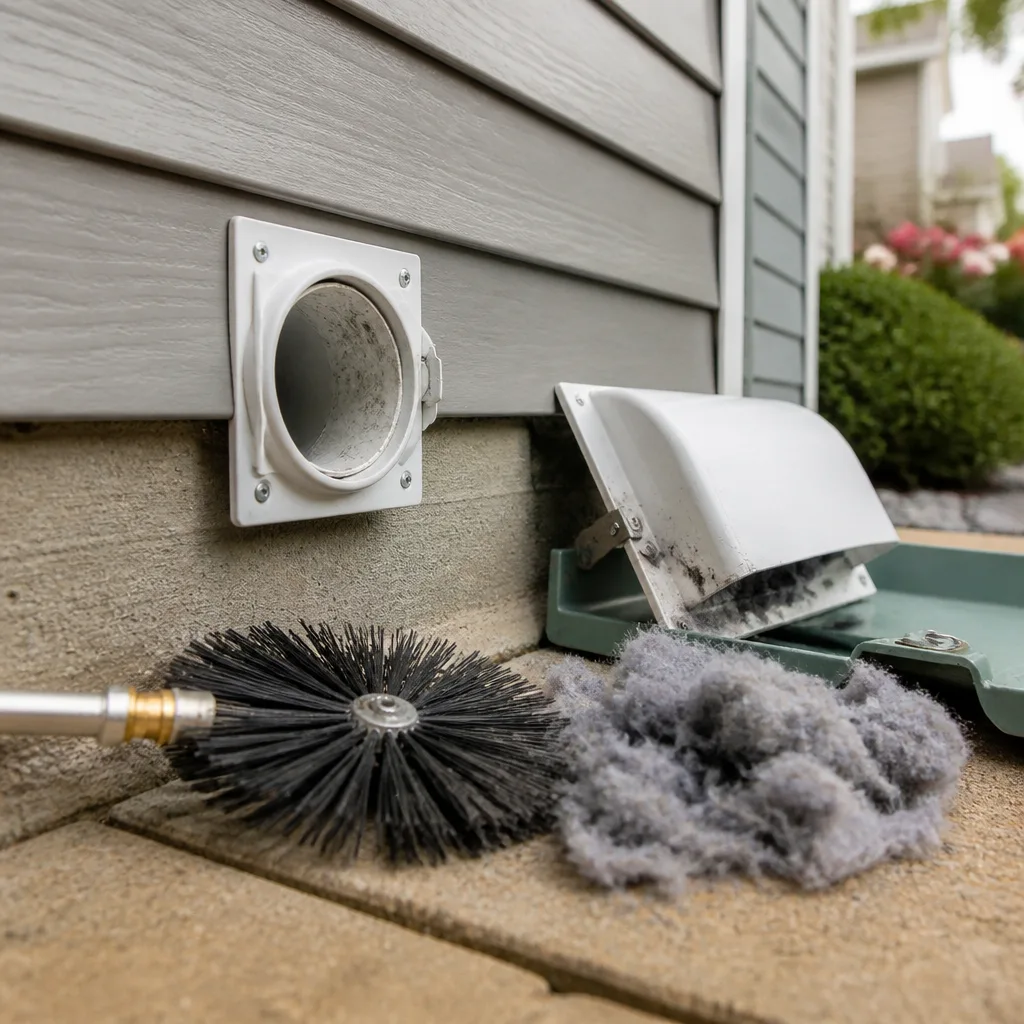 Dryer vent cleaning
 Camera inspection
 Sanitizing & deodorizing
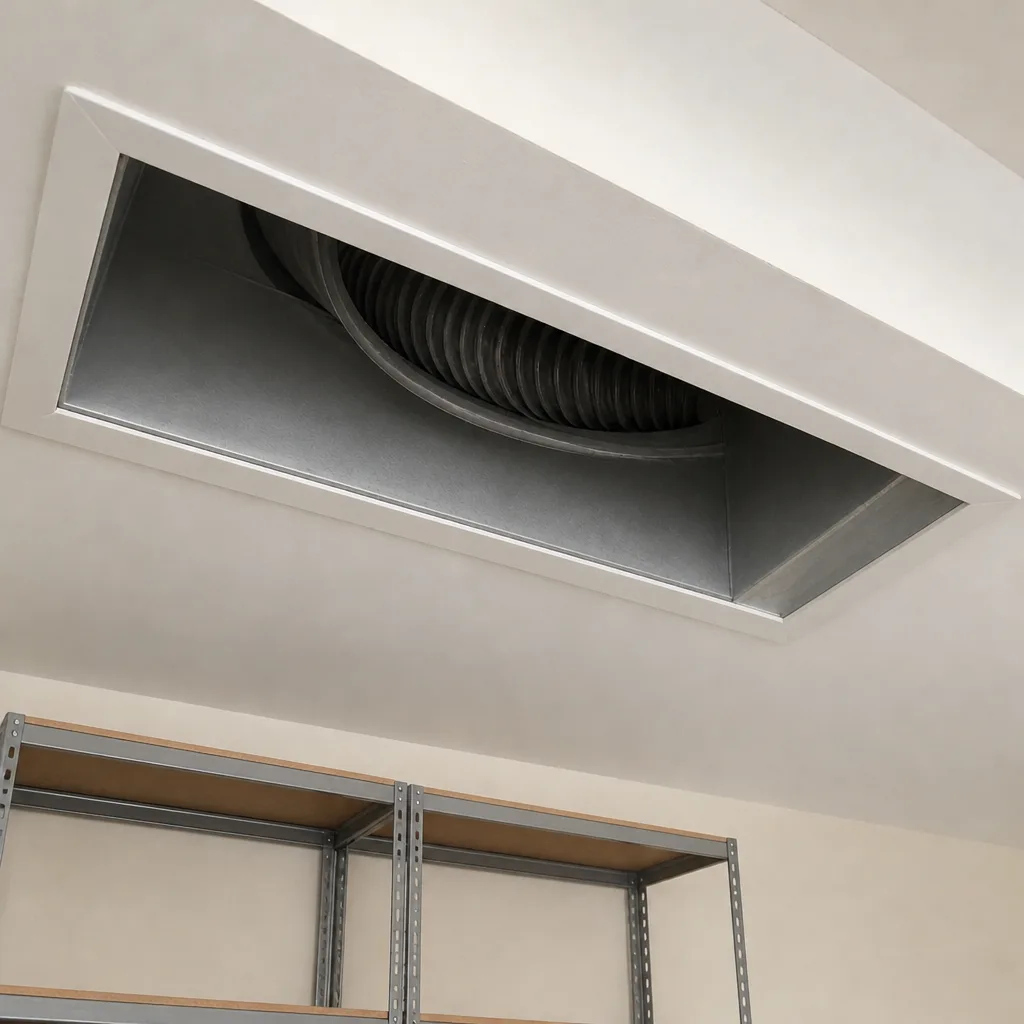
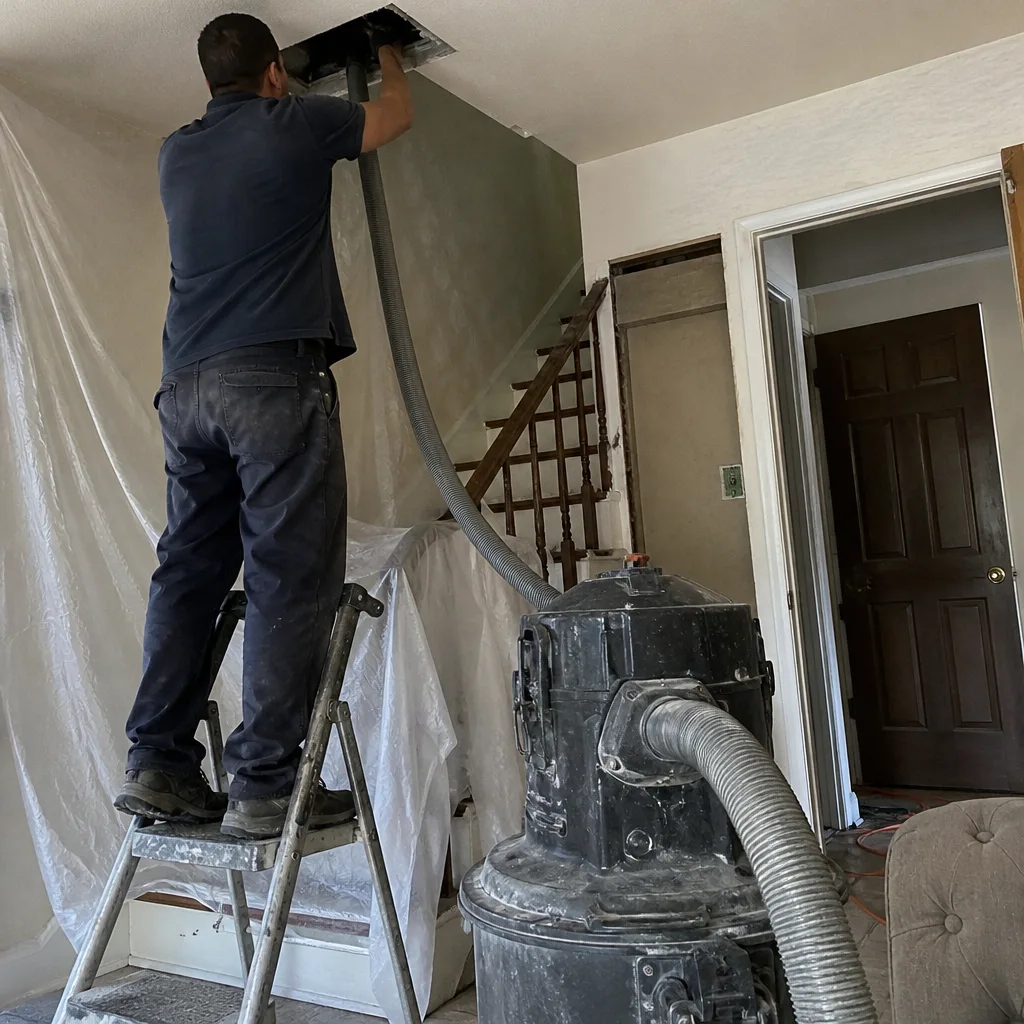
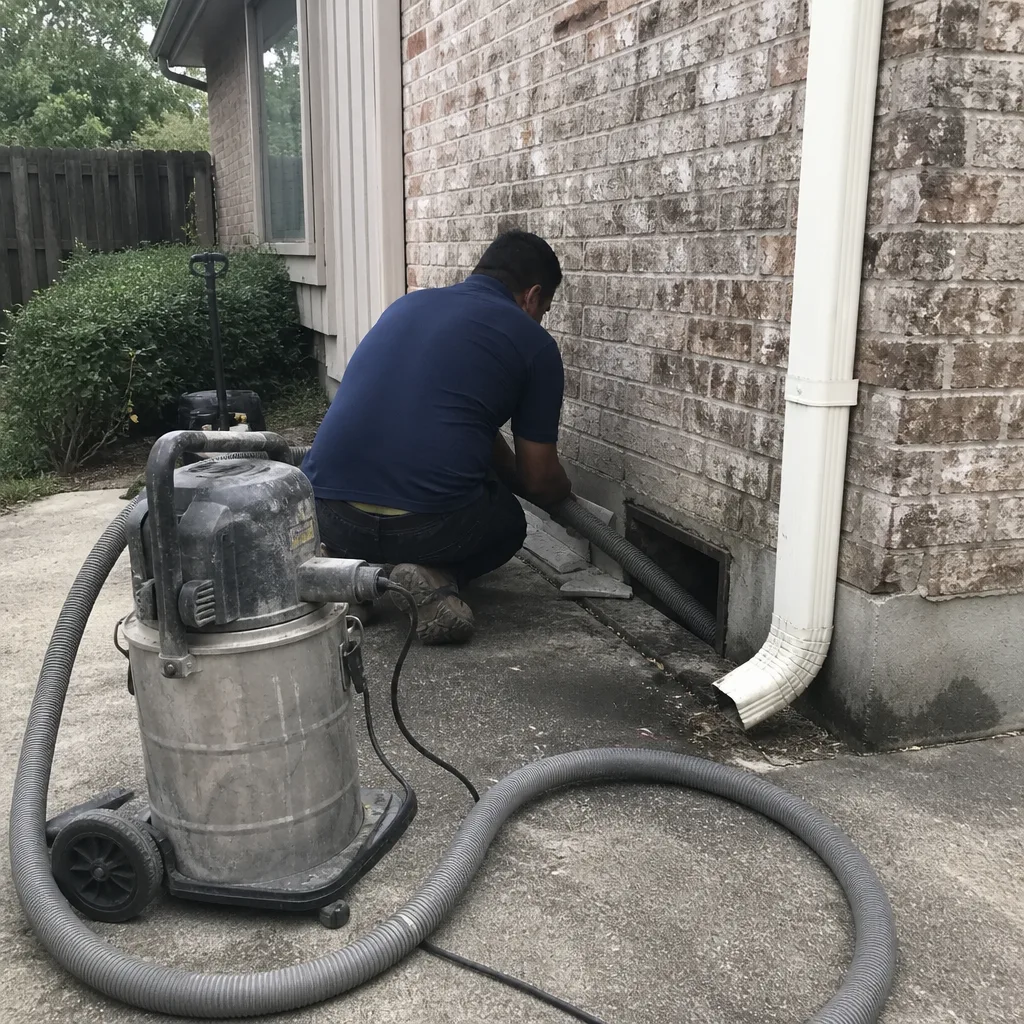
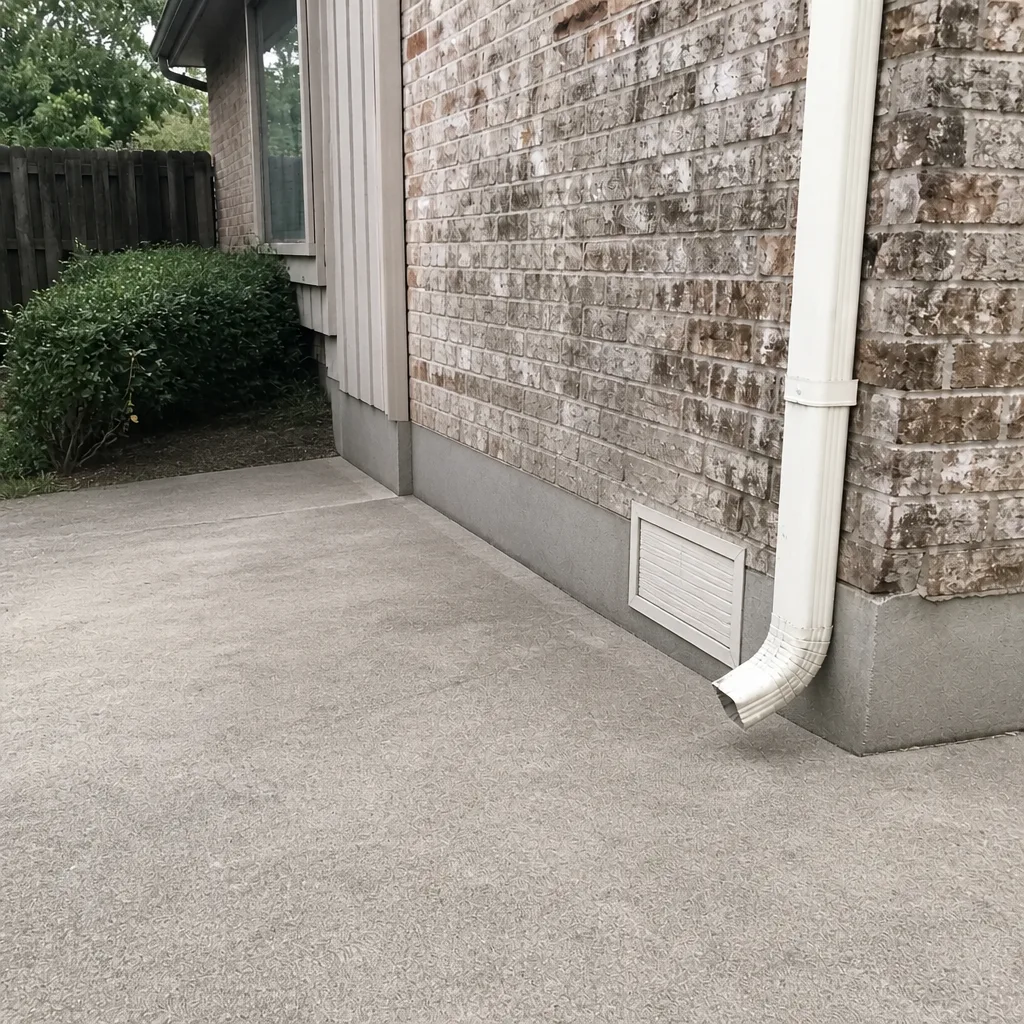
Whole-system duct and dryer vent check with before-and-after photos - you see exactly what came out of your vents
That "$99 whole-house special" is a bait ad - the real number appears once they are in your hallway, or the "clean" is a shop-vac at the register. We photograph the inside of your ducts before and after instead.
Seasonal Air Duct Cleaning Care for Meyerland: Year-Round Homeowner’s Guide
Most homeowners treat duct cleaning like an annual chore with a fixed date on the calendar. That approach makes sense in places with four distinct seasons. Meyerland doesn’t have four. It has two high-stress cooling periods, a short spring shoulder, and a mild winter that never lets your system fully rest. Houston’s “winter” still averages around 60°F in January, which means your HVAC system keeps cycling even in the coldest month. Ducts that go unattended during those mild weeks are quietly collecting debris that becomes a real air quality problem the moment you push the AC hard in April. This guide walks you through what each season actually demands from your ductwork in Meyerland, how to build a rolling 12-month log that tells you when professional service is genuinely due, and what to check yourself along the way.
Quick Answer
Seasonal air duct care in Meyerland works on a two-peak rhythm, not a four-season one. The critical windows are late February to early March (before cooling season starts) and October to November (before you run the furnace). Summer months demand monitoring, not cleaning, and winter demands a static pressure and seal check rather than a full service. A rolling 12-month log of filter changes, pressure readings, and visible dust tells you when cleaning is actually due instead of guessing at a fixed interval.
Styles & brands we work with
- Whole-home duct cleaning
- Dryer vent cleaning
- Camera inspection
- Sanitizing & deodorizing
Table of Contents
- Why Meyerland’s Climate Doesn’t Fit a Four-Season Duct Schedule
- Spring (March to April): Pre-Cooling Season Priorities
- Summer (May to September): What Happens Inside Your Ducts in Peak Houston Heat
- Fall (October to November): The Optimal Cleaning Window
- Winter (December to February): What Low-Use Months Really Require
- Building a Rolling 12-Month Duct Log
- Common Mistakes to Avoid
- When to Call a Professional
- Frequently Asked Questions
Why Meyerland’s Climate Doesn’t Fit a Four-Season Duct Schedule
National duct cleaning advice usually assumes a clean break between heating season and cooling season. In Meyerland, that break barely exists. The system runs a cooling cycle in some form for most of the year, with a short stretch in late winter when the load drops but doesn’t stop. That continuous operation changes how contamination accumulates inside the ductwork.
Two factors drive it. The first is runtime hours. A duct system that runs 8 to 9 months at heavy load and trickles along the other 3 accumulates debris faster than the national “clean every 3 to 5 years” figure suggests. The second is attic heat. Meyerland homes with ducts routed through the attic see supply lines sitting in 100°F-plus spaces through the summer. Any gap in the duct seal becomes an entry point for insulation fibers, attic dust, and humid outside air. That’s a different problem from the cooler-climate case where ducts run through conditioned space or a short basement run.
So instead of treating each season the same, it helps to think of the Meyerland year in four functional blocks:
- Pre-cooling (late February to early March): inspection and filter work before the system goes to full load.
- Peak cooling (May to September): monitoring. High humidity and high attic temperatures are the enemy, and this is when seal failures show up.
- Fall shoulder (October to November): the best window for a full professional cleaning, before the furnace takes over.
- Mild winter (December to February): static pressure and seal integrity checks, not full cleaning.
If you only take one thing from this guide, take that rhythm. It’s the single biggest difference between duct care that actually protects a Meyerland home and a generic annual reminder that doesn’t match how your system runs.
Spring (March to April): Pre-Cooling Season Priorities
Spring in Meyerland is short and it’s your best shot at preventing the problems that build through summer. The goal is not cleaning yet. It’s making sure the system can handle the load it’s about to take on. Four checks cover the bulk of it.
1. Upgrade the filter before the first heavy cooling run
Filter MERV rating matters more in Meyerland than in cooler markets because the system runs longer. A filter that loads up quickly chokes airflow, raises static pressure, and pushes more air through any gaps in the duct seal. Match the MERV rating to what your equipment can handle. Most residential systems handle a mid-range filter fine, but a very high MERV on an older blower motor can do more harm than good. When in doubt, ask a technician before you move up the ladder.
2. Check the condensate drain and pan
High humidity through cooling season means the evaporator coil is producing a lot of condensate. A slow drain or a pan that doesn’t fully empty becomes a moisture source that feeds biological growth into the plenum and the first few feet of the supply trunk. Check that the drain line flows freely before the season starts, not after you notice a musty smell.
3. Inspect return ducts for attic dust infiltration
If your return ducts run through the attic, walk them (visually, from a safe distance) and look for disconnected joints, torn flex, or gaps at the plenum. Attic dust finds those gaps fast. This is the single most common infiltration point we see in Meyerland homes with attic-routed systems, and it’s the reason air duct cleaning Meyerland often precedes a sealing job rather than standing alone.
4. Note any room that cools unevenly
Write it down in your log with the date. A room that was fine last September but struggles this April is telling you something changed. Uneven cooling is often a duct problem before it’s an equipment problem.
Summer (May to September): What Happens Inside Your Ducts in Peak Houston Heat
Summer is the season that does the most invisible damage, and it’s the season where the least professional intervention is needed. That sounds backwards, so let’s unpack it.
Two things are working against your ductwork from May to September. The first is humidity. Houston summer air routinely pushes past 90% relative humidity, and any air that enters the system through a duct gap carries that moisture with it. Inside a cool supply duct, that moisture condenses. Over weeks, a slightly damp duct wall becomes a surface where dust sticks and stays stuck, because the moisture acts like a mild adhesive.
The second is attic temperature. Attic ducts in Meyerland can sit in spaces well above 100°F through July and August. A duct with a compromised seal isn’t just leaking air. It’s pulling in attic air at that temperature, which cancels out cooling capacity and loads the system. Insulation that looks fine visually can have a hidden tear underneath.
What you can monitor without professional help
You don’t need equipment to catch early signs. You need consistency:
- Register airflow: hold your hand at each supply register once a month. Feel for a change from the previous month, not a specific number.
- Dust pattern on the ceiling around registers: a faint dark ring or smudge developing near the grille is a sign of air bypassing the filter or a seal failure upstream.
- Smell check: a musty odor when you first turn the system on is worth noting in your log. It’s not proof of a problem on its own, but a recurring one is a signal.
- Runtime creep: if the system is running noticeably longer to hold the same setpoint than it did in June, note it. Air loss from a duct seal failure shows up as runtime.
Summer is not the season for a full cleaning for most homes. It’s the season for watching, logging, and catching what fails before the system gets pushed in a way that spreads contamination into the living space. Cleaning during peak summer is fine when a documented problem exists, but it’s not the standard maintenance call.
Fall (October to November): The Optimal Cleaning Window
If there’s a single best time of year to schedule a professional cleaning in Meyerland, it’s the fall shoulder. Here’s why it beats every other window.
By late October, the summer cooling load has dropped but the ducts have been running hard for five months. Whatever dust, allergen load, or debris accumulated through the peak season is sitting where it was deposited, and there’s still a few weeks before the heating season pushes it back into the air. A cleaning done in this window leaves you with ducts that have a full heating season and a full next cooling season ahead without the accumulated load from the prior summer.
Why fall matters specifically for Meyerland’s gas furnace systems
Most Meyerland homes run a gas furnace for the winter heating load, even though winters are mild. A gas furnace pulls return air across the heat exchanger and pushes it out through the supply side. If your return ductwork or the plenum area is carrying accumulated dust from summer, that first week of furnace operation lifts a lot of it into the airstream and distributes it through the house. This is the reason cleaning in October or November is more than housekeeping. It’s about the first heated air your family breathes in December.
What a fall professional cleaning should include
A proper fall service on a Meyerland system covers more than vacuuming:
- Mechanical agitation of the duct walls with a rotary brush system, so debris is dislodged from the siding rather than only lifted from the floor of the duct.
- Contained extraction with HEPA-grade filtration, so the debris leaves the system without being redistributed into the room.
- A seal integrity check on return and supply runs, especially any that pass through the attic.
- Sanitizing when moisture, odor, or contamination warrants it.
- A written report of what was found and what was corrected.
We use Rotobrush rotary brush equipment and Nikro HEPA extraction, which is the same class of professional equipment commercial HVAC contractors rely on, not consumer-grade vacuums or vacuum-only truck-mounted rigs. The agitation step is what separates a real cleaning from a surface pass.
Winter (December to February): What Low-Use Months Really Require
Meyerland winters don’t shut the system down; they reduce the load. That “low-use” stretch creates a specific set of duct issues that a summer-focused maintenance plan misses. It’s also the season when two things should be checked that most homeowners never touch.
Static pressure check
Static pressure is the resistance the blower works against to move air through the system. When ducts are clean and sealed, the blower runs at design pressure and delivers the airflow the equipment expects. When a duct has a hidden leak, a crushed flex run, or a partially blocked return, static pressure rises, airflow drops, and the system has to run longer to move the same air. Winter is a good time to check it because the system is at lower load and any deviation from expected pressure is easier to isolate. A qualified technician can measure this with a manometer in a few minutes. It’s not a homeowner tool.
Duct seal integrity after thermal cycling
Duct systems expand and contract as they warm and cool through their operating cycles. Across a Meyerland year, that cycle count is high, because even the “mild” winter still cycles the system. Each cycle puts a small amount of stress on taped joints, mastic seals, and flex connections. Winter is when a seal that was borderline in fall gives way, and you don’t find out until summer airflow drops or dust appears around a register. A visual seal check on accessible runs in December or January catches these before they become part of your spring problem.
What winter does not require
Winter is not the season for a full cleaning for most Meyerland homes. Cleaning right before the summer load makes more sense than cleaning right before a season the system barely runs. The exception is a specific problem, like post-renovation debris or a known contamination source. In that case, winter cleaning is fine and often easier to schedule.
If your winter check turns up a seal failure, which is common in older flex duct runs, that’s a repair issue. HVAC cleaning can be combined with repair and sealing so cleaned ducts stay clean and don’t reopen the same gaps next fall.
Building a Rolling 12-Month Duct Log
The most useful tool for knowing when professional service is actually due is a simple 12-month log that rolls forward continuously. Rather than a calendar guess, you build a record that tells you when your specific system is telling you a cleaning is warranted. Twelve months of data is more useful than any generic interval.
The log structure
Use a single sheet of paper or a simple note on your phone. Five columns: date, what you checked, what you observed, what you did about it, and when to re-check. What you record matters more than the format.
What to log each month
- Filter change date and filter type. One line per filter change. This alone tells you more about your system’s dust load than any other metric.
- Register airflow observations. A short note per room, once a month. “Strong,” “medium,” “weak,” or “changed from last month.”
- Visible dust at grilles or registers. Where it appears and how quickly it comes back after you clean it.
- Odor notes. Musty, dusty, or neutral, on first startup of the day.
- Runtime observations. Whether the system seems to run longer than it did last month for the same weather.
- Professional work done. Date, what was performed, and what the technician noted. This is the column that matters most when you’re deciding whether the next cleaning is due.
How the log tells you when cleaning is actually due
A few patterns reliably indicate the right timing:
- Dust at registers returning within a couple of weeks of cleaning them, three months in a row.
- Filter loading noticeably faster than it did the same months last year.
- Musty odor that wasn’t there before and repeats.
- Airflow that has dropped in two or more rooms without a filter change to explain it.
- The one-year mark after a cleaning with any of the above present.
The log replaces the fixed-interval guess with an evidence-based call. It also gives the technician who comes out a one-page history that makes the estimate more accurate. A rolling log is the single most cost-effective duct care habit a Meyerland homeowner can build.
Common Mistakes to Avoid
- Treating the year as four equal seasons. Meyerland’s duct year runs on a two-peak rhythm with a long, humid summer. Applying a national four-season cleaning schedule leads to spending money in the wrong month and missing the fall window that actually matters.
- Cleaning right before summer instead of right before fall. Cleaning in late spring leaves a full peak cooling season of accumulation to sit through before the next service. Fall cleaning covers both the heating season and the next cooling season.
- Changing filters by feel instead of by date. In a high-runtime climate, filter loading happens faster than a “check it when you remember” habit tracks. Log the change date. Filter changes are your cheapest data source.
- Ignoring attic-routed duct runs. Meyerland homes with long attic duct runs lose more air and invite more attic dust than homes with short runs in conditioned space. Visual seal checks on accessible attic runs are worth doing every fall.
- Accepting a per-vent cleaning quote. Per-vent pricing is a way to make a low headline price grow once the technician is on site. Whole-system pricing, agreed in writing before work starts, is the only version that protects you. We price per system, not per vent, and we take before-and-after photos of your own ducts.
- Skipping the sanitizing step after a moisture event. A damp duct system cleaned but not sanitized will often regrow the same odor problem within a season. If the cleaning revealed moisture, addressing it with an air quality and sanitizing step is part of doing the job right.
- Not logging what the last technician did. A one-page log of the last cleaning’s findings makes every subsequent estimate more accurate and prevents paying twice for the same diagnostic work.
When to Call a Professional
Call a professional when the log shows a pattern, not a single data point. Three months of returning dust at registers, a musty odor that comes back after you air out the house, airflow that has dropped in two or more rooms without a filter change to explain it, visible dust streaking around a supply grille after you clean it, or a cold room that used to cool well. Those are the signals that a whole-system inspection and likely cleaning is warranted. Call before the peak season, not during it, if the log allows.
We can work with you on a scheduled cleaning, then seal and repair what the inspection finds, using equipment and products from Aprilaire, Honeywell, and Abatement Technologies where filtration upgrades or advanced contamination handling make sense. Air Duct Cleaning Meyerland offers free estimates in Meyerland. Call (877) 492-2022. We answer 24/7. Fast dispatch from 7am to 7pm, Sunday through Friday.
Frequently Asked Questions
Most Meyerland homes need a full cleaning every 2 to 4 years, driven by runtime hours and whether the ducts run through the attic. Homes with heavy summer runtime, pets, or allergies land closer to the 2-year mark. Homes with short runs in conditioned space and light dust load can go longer. The 12-month log is what makes the call specific to your home instead of a guess. Call (877) 492-2022 for an exact quote, estimates are free.
Yes, for most homes. The fall shoulder in October and November gives you cleaned ducts before the heating season starts and before accumulation from the prior summer is pushed back into the living space when the furnace runs. Cleaning in fall also leaves the system fresher for the next cooling season, and it avoids the schedule pressure of spring. Call (877) 492-2022 to book a fall estimate before the window closes.
A cheap quote is often per-vent pricing with no mechanical agitation, no HEPA extraction, and no seal check, so you pay for a surface pass that leaves the duct walls unchanged. A proper cleaning uses a rotary brush system to dislodge debris, contained HEPA extraction to remove it, and a seal integrity check on return and supply runs. We use Rotobrush and Nikro equipment and quote per system, not per vent, with before-and-after photos of your ducts so you can see the work. Call (877) 492-2022 for a free estimate.
Yes, do a self-check monthly, but save the professional cleaning for fall or spring unless the log shows a pattern. Summer is the season for monitoring airflow, dust at registers, and any musty odor on startup. If three or more of those signals land in your log within the same month, that’s the point to call a professional for a diagnostic and estimate, not a full cleaning by default. Call (877) 492-2022 for an exact quote.
Attic heat and long cooling hours both push on the same duct seal. In Meyerland, ducts in the attic sit in a space well above 100°F through the summer, and rooftop air is under more pressure, so any gap pulls in hot, dusty attic air at a higher rate. Over a full summer, more attic dust enters through the same small gap than in a cooler climate where ducts run less and attic temperatures stay lower. Call (877) 492-2022 to have accessible attic runs looked at with a free estimate.
They’re related but not identical. Duct cleaning addresses the supply and return runs, dryer vent cleaning removes lint and debris from the dryer exhaust path, and HVAC cleaning addresses the air handler, coil, and plenum surfaces. A full pathway check is often the right first step for a family fighting dust or allergy issues all year. We handle all three. Call (877) 492-2022. We answer 24/7. Fast dispatch from 7am to 7pm, Sunday through Friday.
The Bottom Line
Meyerland’s climate rewards a two-peak duct care rhythm over a four-season one. Protect the system before cooling season, monitor rather than clean through summer, do the full professional cleaning in the fall shoulder before the furnace runs, and use the mild winter for static pressure and seal checks. Build a rolling 12-month log and let it tell you when cleaning is actually due rather than guessing at a fixed interval. When the log says it’s time, a proper whole-system cleaning with real mechanical agitation and HEPA extraction is the standard to insist on, and we’re ready to walk through it with you.
Written by the team at Air Duct Cleaning Meyerland.
See the difference
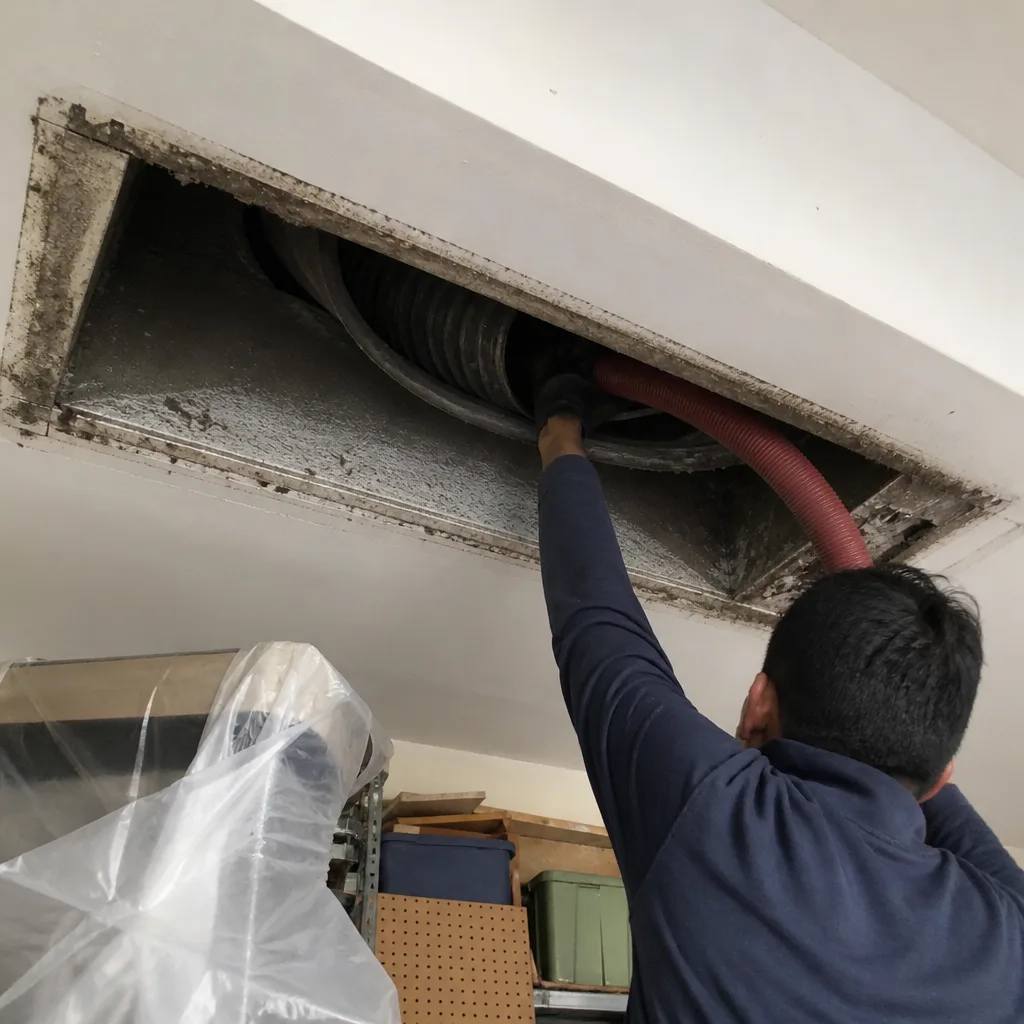 Before
 After
 Before
 After
 Before
 After