
Last updated November 25, 2026
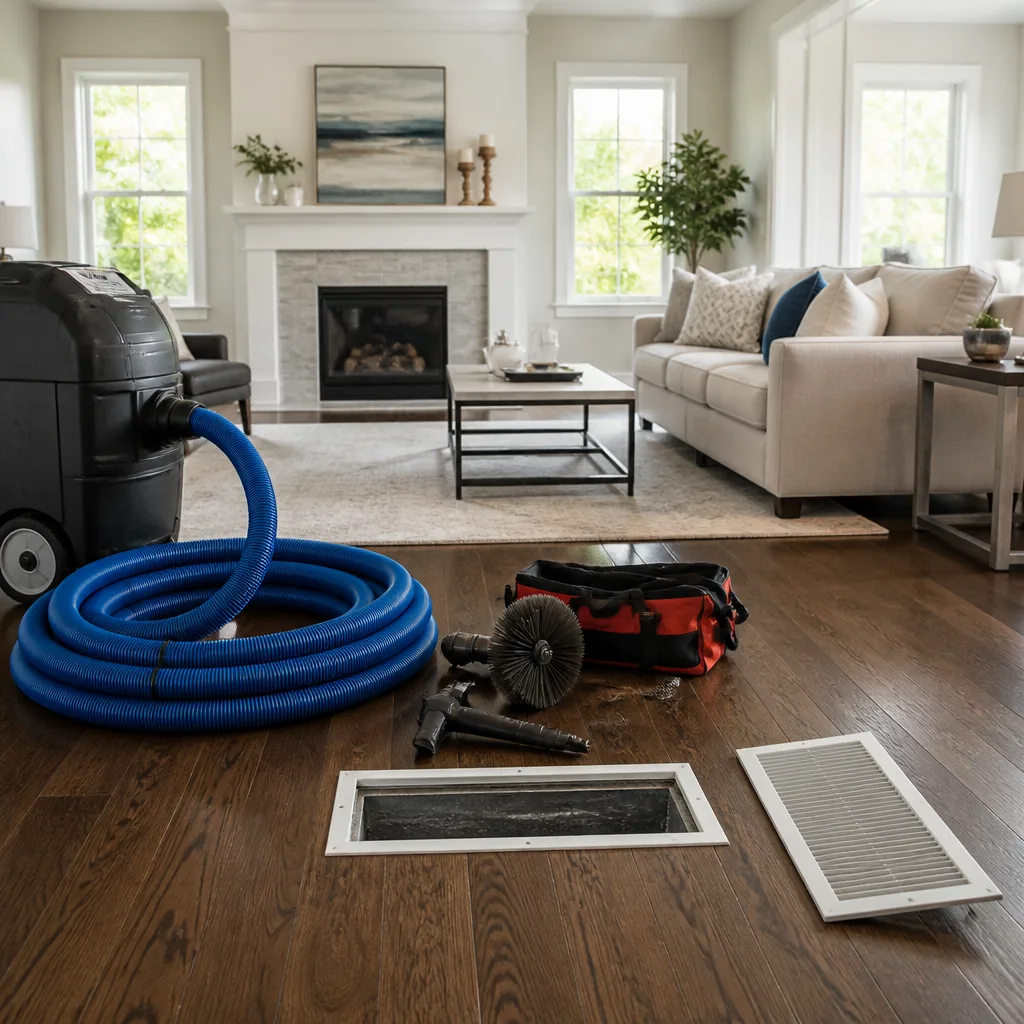 Whole-home duct cleaning
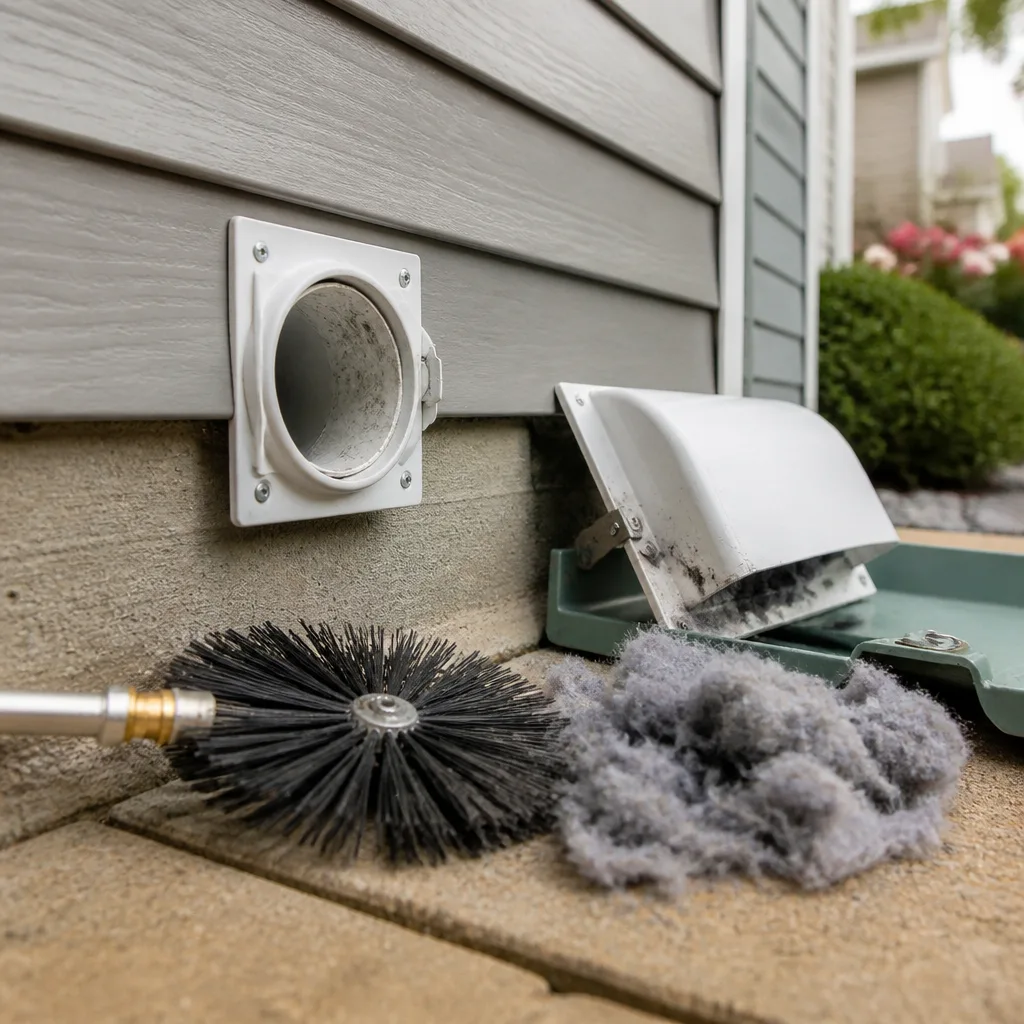 Dryer vent cleaning
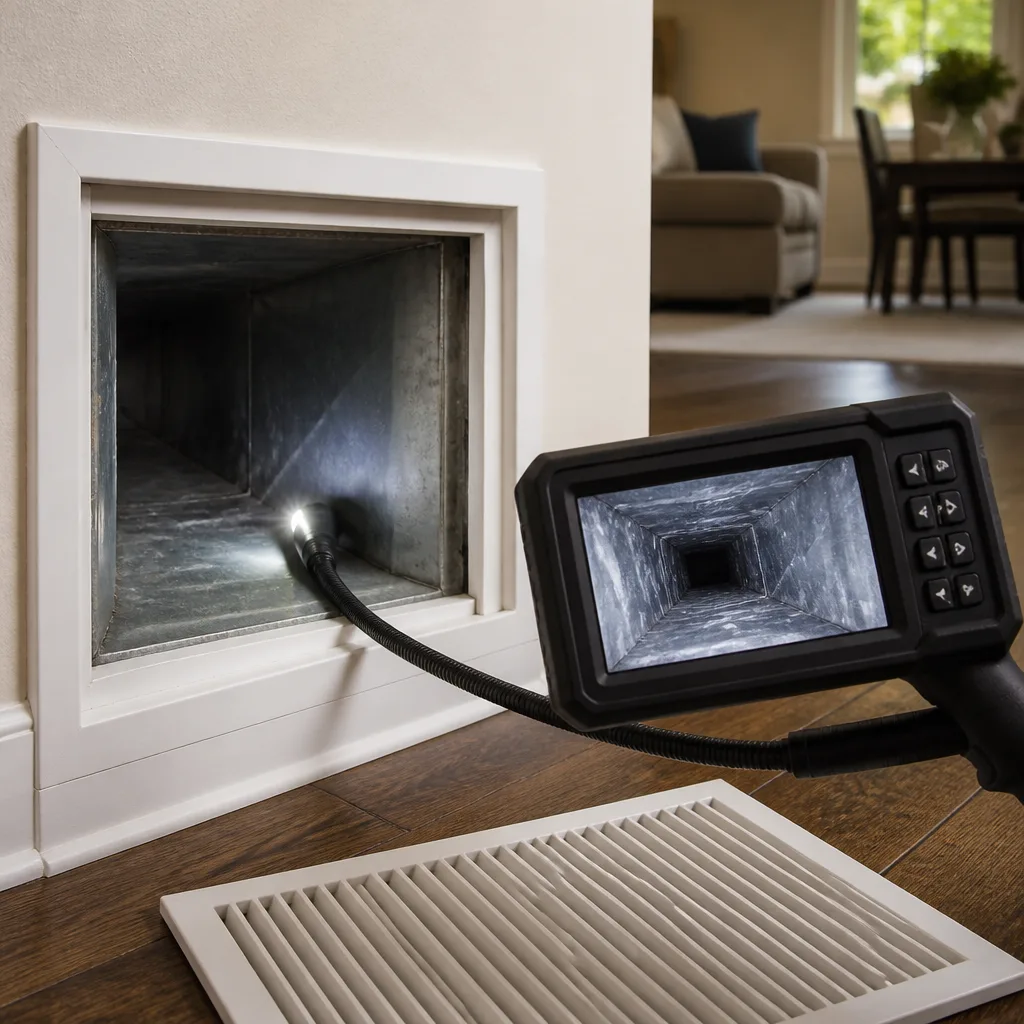 Camera inspection
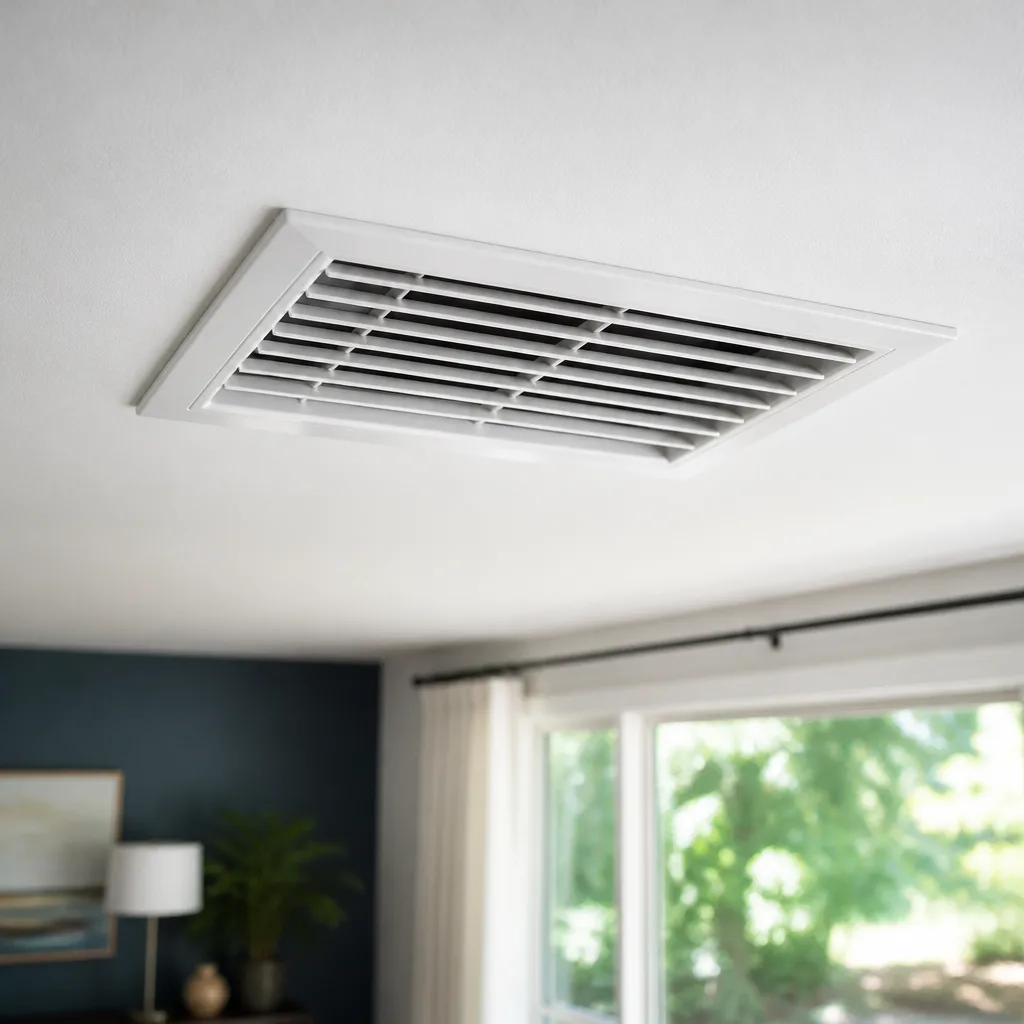 Sanitizing & deodorizing
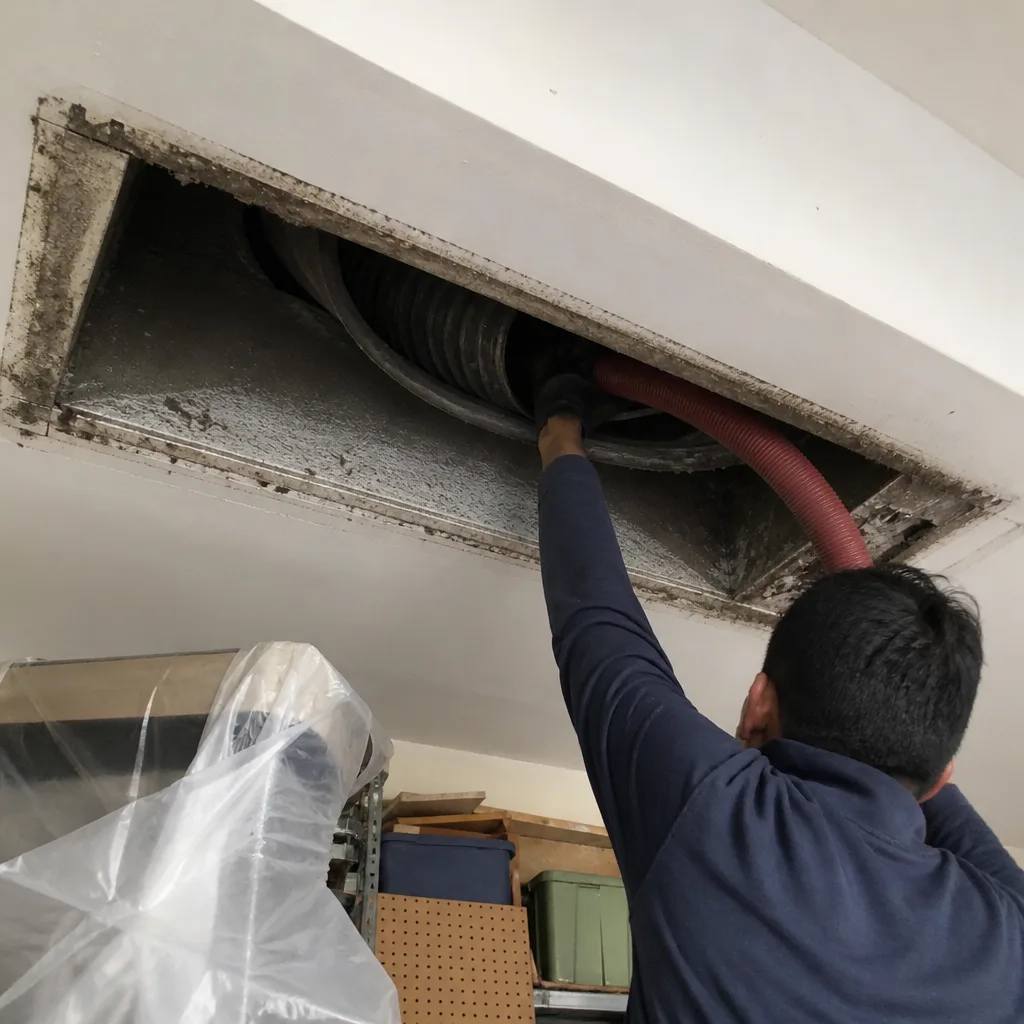
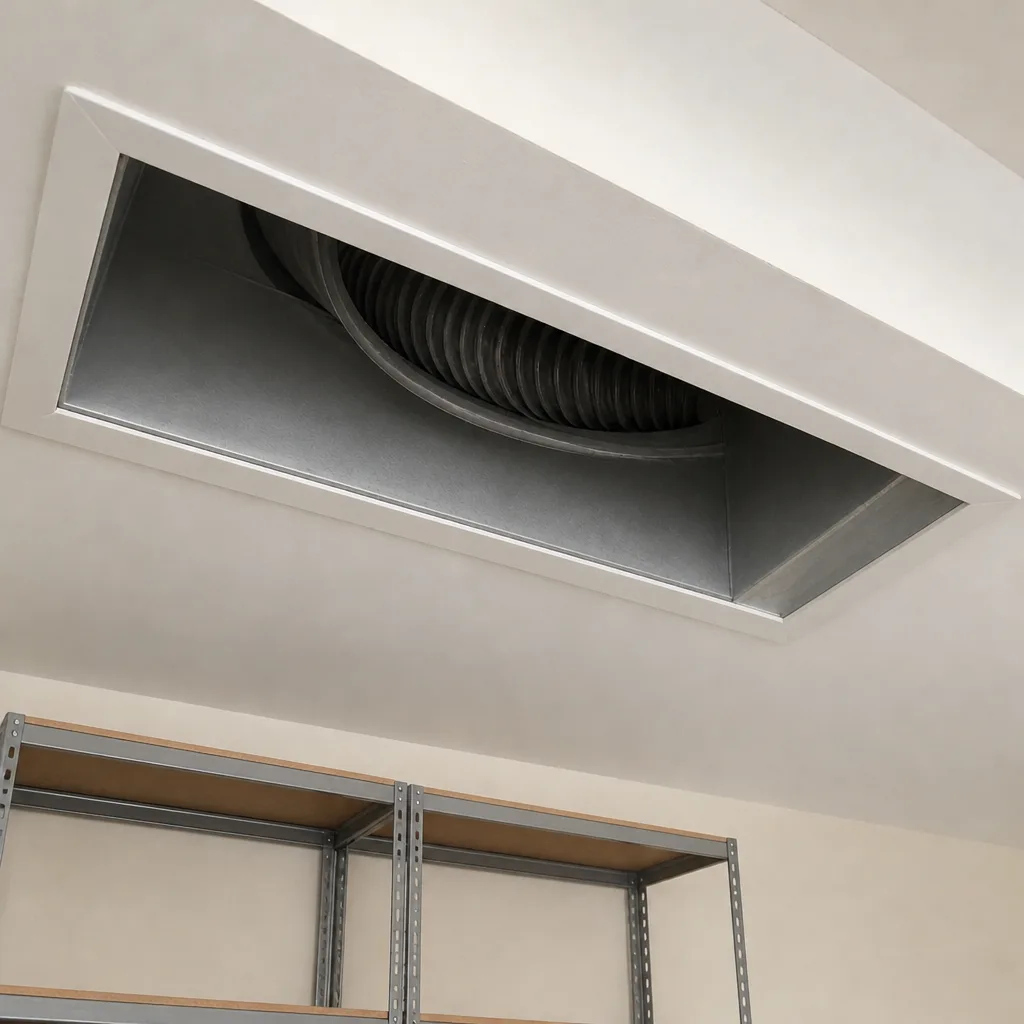
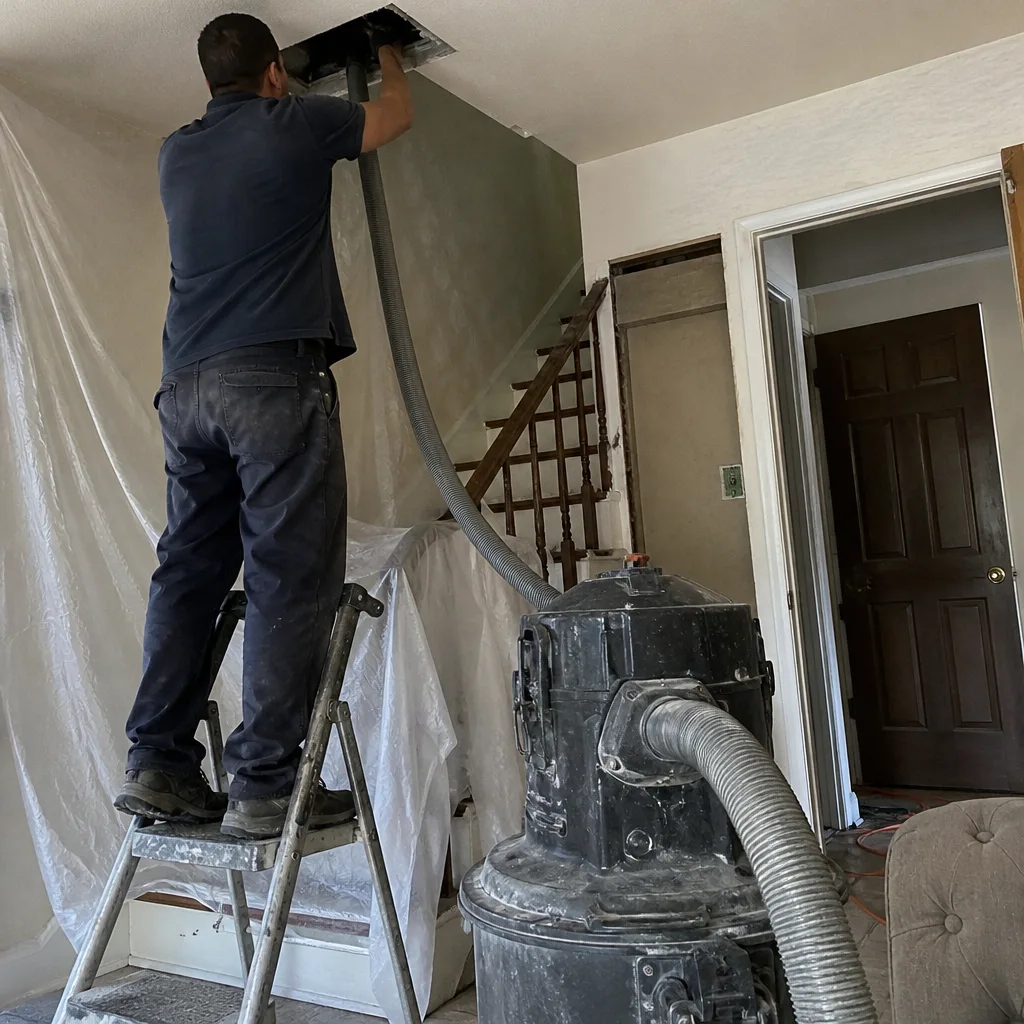
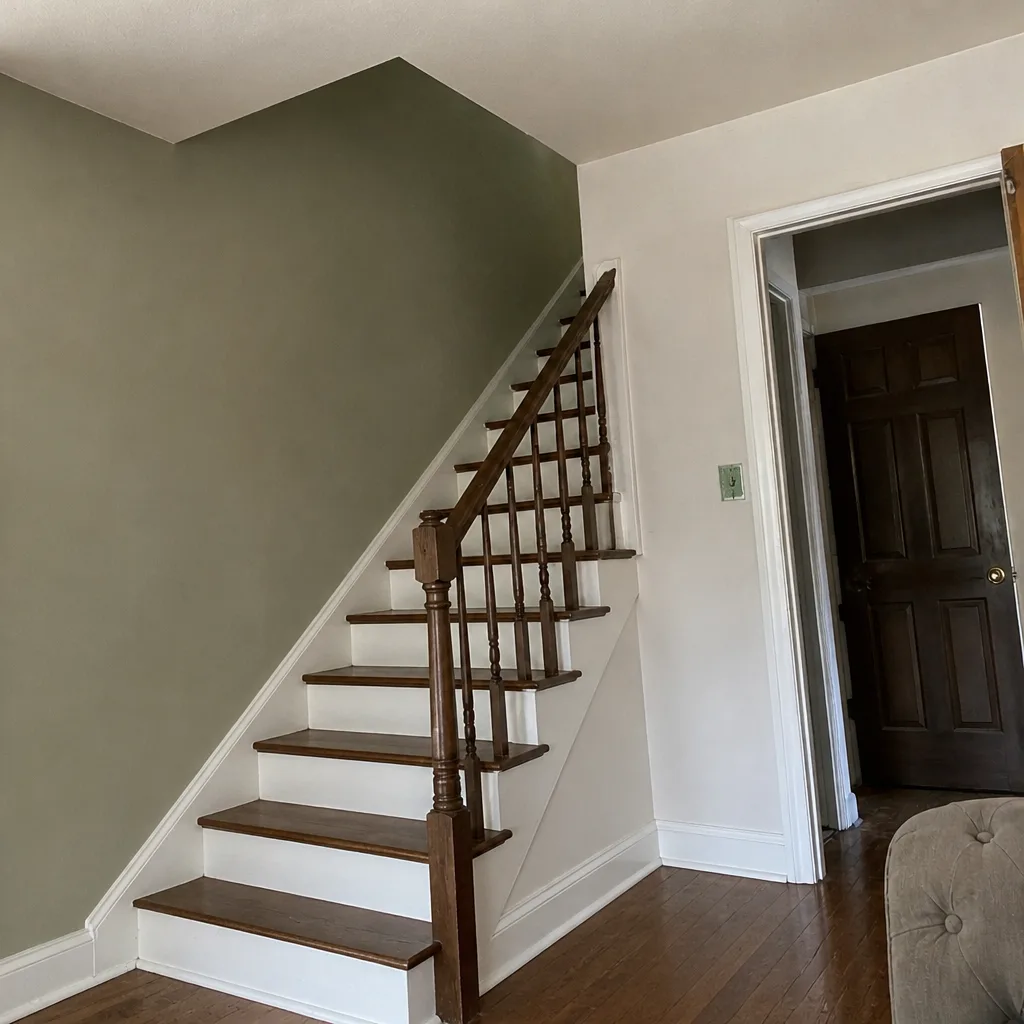
Whole-system duct and dryer vent check with before-and-after photos - you see exactly what came out of your vents
That "$99 whole-house special" is a bait ad - the real number appears once they are in your hallway, or the "clean" is a shop-vac at the register. We photograph the inside of your ducts before and after instead.
Air Duct Cleaning Cost Breakdown: The Meyerland Homeowner’s Reference for 2026
The $149 special and the $900 quote are often describing two completely different jobs, and most homeowners don’t realize it until the technician is already inside. One is a quick pass over the supply ducts with a portable vacuum. The other is a full negative-pressure system clean with mechanical agitation, return-side coverage, and access work. Comparing them as if they’re the same service is where budgets go sideways in Meyerland. This guide breaks down what you’re actually paying for at every price point, which line items are legitimate and which are upsells, and how to read a proposal so you know exactly what’s getting cleaned before anyone touches your registers.
Quick Answer
Air duct cleaning in Meyerland typically runs $89 to $1,200+, and the range is driven almost entirely by scope, not square footage. A supply-only vacuum pass with a portable rig sits at the low end. A full-system clean with negative pressure, rotary brush agitation on Rotobrush or Nikro equipment, return-side coverage, and access point work lands in the middle to high end. The written estimate sets the final price, and any honest quote should spell out exactly which of those line items you’re buying.
Styles & brands we work with
- Whole-home duct cleaning
- Dryer vent cleaning
- Camera inspection
- Sanitizing & deodorizing
Table of Contents
- What You’re Actually Paying For: Line-Item Cost Anatomy
- Why Square Footage Is a Rough Proxy, Not a Real Price Driver
- What Legitimately Adds Cost Versus What’s a Classic Upsell
- Flood-Remediated Homes and the Justified Cost Premium
- How to Evaluate a Quote: Scope Items That Must Appear
- Equipment Matters: Why Rotobrush and Nikro Change the Math
- Cleaning Versus Cleaning Plus Sealing: The Cost Split
- When to Call a Professional
What You’re Actually Paying For: Line-Item Cost Anatomy
Every duct cleaning invoice is a stack of discrete line items, whether the contractor itemizes them or buries them in a single number. Understanding what each one does to the final price is the single most useful thing you can learn as a homeowner. Here’s how a typical Meyerland job breaks down in 2026:
| Line Item | Typical Range | What It Covers |
|---|---|---|
| Labor and technician time | $250 – $600 | Two-technician crew, half day to full day depending on system size |
| Equipment mobilization | $80 – $200 | Transport and setup of rotary brush and HEPA filtration rigs |
| Access point cutting | $25 – $75 per point | Cutting and resealing service openings in rigid ductwork |
| Return system cleaning | $100 – $350 | Return plenum and return trunk cleaning, often skipped in low quotes |
| Air handler cabinet | $75 – $250 | Interior cabinet wipe-down and blower area cleaning |
| Sanitizer application | $75 – $200 | EPA-registered antimicrobial fogging after mechanical clean |
| Duct repair and sealing | $150 – $500+ | Mastic or foil-tape sealing on detected leaks and disconnected joints |
Notice what’s missing from the low quote when you see one: return system, air handler cabinet, and access points. A portable vacuum shoved into a supply register can’t reach any of that. Our technicians use Rotobrush rotary brush systems and Nikro HEPA-filtration equipment not because they sound impressive on an invoice, but because they’re what makes the return and cabinet line items possible at all. When you’re pricing air duct cleaning in Meyerland, ask which of these seven items the quote covers. The count tells you more than the total.
Why Square Footage Is a Rough Proxy, Not a Real Price Driver
A 2,000-square-foot ranch and a 2,000-square-foot two-story in Meyerland can land hundreds of dollars apart on the same day. Square footage gives the estimator a starting point, but three other factors actually move the number: duct count, system zones, and access complexity.
Duct count is the floor you’re really cleaning. A 1970s ranch with a simple trunk-and-branch layout might have fifteen supply runs. A two-story with a zoned system and flex branches feeding a converted addition could have twenty-five. More runs means more brush passes, more register removals, more time on the clock.
System zones multiply the work because each zone has its own dampers, its own trunk section, and often its own air handler branch. If your Meyerland home has a converted garage or an addition with its own zone, the duct system isn’t one pathway. It’s two.
Access complexity covers how hard it is to reach the ductwork. Encapsulated attics with tight clearance, low ceilings, and duct runs buried under insulation all add time. In Meyerland’s older ranch layouts, some trunks sit in wall chases with no service access, which means cutting access points rather than fighting for a look through an existing register.
Here’s a rough way to think about it:
- Under 8 supply runs, single zone, attic access: low end of the range
- 8 to 15 runs, single zone, normal access: middle of the range
- 15+ runs, two zones, tight or obstructed access: high end of the range
Two homes can share the same square footage and land in two different tiers. That’s not a pricing trick. It’s the actual physical work changing.
What Legitimately Adds Cost Versus What’s a Classic Upsell
Not every add-on is a cash grab. Some upgrades genuinely extend what the system can do. Others are sales language wrapped around a spray bottle. Knowing the difference lets you say yes to the right ones.
Legitimate Upgrades
- Aprilaire media filtration replaces the standard 1-inch filter slot with a 4- or 5-inch media cabinet. It catches finer particles and lasts longer. That’s a real hardware change, and we install it in Meyerland homes regularly.
- Honeywell air-quality controls and filtration offer programmable control over fan cycling and filtration, which helps when you want the indoor air handler to keep pulling through the media cabinet longer.
- Duct repair and sealing is the biggest legitimate add. Cleaning removes debris; sealing keeps the cleaned system from leaking conditioned air into the attic. Mastic and foil-tape work on disconnected joints and gaps is real, verifiable labor.
- Sanitizer application with documented products uses EPA-registered antimicrobials in measured, labelled concentrations, not a mystery spray.
Classic Upsells With Thin Justification
- UV lights sold as a “complete air purification system.” UV-C lamps work on surfaces within a few inches of the lamp. They’re not a whole-home solution and shouldn’t be priced like one.
- “Bio-treatment” foggers with no product label shown. If the technician can’t produce an EPA registration number on the bottle, you’re buying fragrance.
- Per-vent or per-register pricing. The supply register is a metal box; cleaning the duct system runs through the trunk and branches. A per-vent price tells you nothing about scope.
- Add-ons upsold from the doorway before any register is opened. A legitimate proposal is built from what’s actually in the ductwork, not from a sales script.
If a discount is quoted as a coupon and then a whole-system invoice shows up at the end, that’s the industry’s bait-and-switch pattern. One flat price per system, agreed before any work starts, ends that. Before-and-after photos of your own ducts are the proof. Ask for them.
Flood-Remediated Homes and the Justified Cost Premium
If your Meyerland home went through flood remediation, air duct cleaning isn’t a routine dust job. It’s a contamination protocol. Several things change when a home has had standing water in the structure:
- More access points are usually needed. Sediment and debris settled into horizontal runs and low points of the system, which sit behind duct walls you’d never reach through a register. Cutting three or four access points to reach those sections is standard, not an upsell.
- Contamination extends into the return and air handler cabinet. Standing water and prolonged humidity can leave organic material inside the return plenum and on the blower housing. That surface area has to be cleaned and often sanitized, which is more labor than a supply-only pass.
- Flex duct may be degraded and need partial replacement. Flex duct is plastic-lined and, once wet, doesn’t dry the way rigid metal does. Sagging sections with trapped moisture are usually replaced rather than cleaned.
- Abatement Technologies-grade HEPA handling may be warranted. For heavy contamination scenarios, mold, or post-construction debris, we run Abatement Technologies air-quality equipment because standard extraction isn’t adequate for that load.
That’s the justified premium on flood-remediated homes. It’s not the contractor inflating the price because the job got more interesting. It’s real scope expansion driven by what’s physically inside the ducts. If you’re getting a quote on a home with flood history, ask specifically what the quote assumes about wet flex duct and return-side contamination. That answer will tell you whether the contractor has actually seen this scenario before.
How to Evaluate a Quote: Scope Items That Must Appear
You can grade any duct cleaning proposal in five minutes. An honest one will name specific items in writing. If any of the following scope items are missing, the proposal is either incomplete or deliberately vague, and either way you should push back before signing.
- Supply and return both named. If the quote says “supply ducts” or “air ducts” without confirming returns, assume returns aren’t included.
- Air handler cabinet listed separately. This is where a lot of the real contamination lives. If it’s not a line item, it’s not being cleaned.
- Access points described with a count or “as needed.” A crew that says “we’ll cut access if required” is being honest. One that says “all access included” with a fixed price is either including it in the total or understating the work.
- Equipment named. If the contractor uses Rotobrush or Nikro or another professional-grade brand, they’ll usually name it. Silence on equipment is often silence for a reason.
- Sanitizer product specified. “Antimicrobial fogging” without a product name or EPA registration isn’t a line item you can verify.
- Before-and-after photos in the scope. Not a promise, not a “we snap a few if there’s time.” Written into the scope.
- One flat price per system, signed before work begins. No per-vent pricing, no coupon-then-reveal structure.
If a quote names all seven, you’re comparing apples to apples. If one quote has all seven and another has three, the price difference is describing different work, and the lower number isn’t cheaper. It’s just a smaller job.
Equipment Matters: Why Rotobrush and Nikro Change the Math
The equipment a contractor brings is the single biggest reason two quotes for the same house can land $400 apart. Here’s the practical difference:
Consumer-Grade or Portable Vacuum Rig
A portable shop-vac-style unit or a light-duty vacuum can pull loose surface dust out of ducts. It cannot break the bonded dust, construction debris, and settled sediment that has attached to duct walls over years. That crusted layer is the reason your registers look dark and your allergies act up. Vacuum-only extraction passes over it.
Rotobrush Rotary Brush System
Rotobrush sends a rotary brush whip into the duct, mechanically agitating the walls while an integrated vacuum pulls loosened debris back through a contained hose. The agitation is what makes the difference. Oil, dust, animal hair, and debris that have bonded to the duct wall get broken free, then captured. This is the same class of equipment commercial HVAC contractors use for their own duct cleaning, and it’s what we bring to Meyerland homes.
Nikro HEPA Filtration
Nikro high-efficiency HEPA filtration captures the fine particulate that standard vacuums exhaust back into the room. When you’re cleaning ductwork, the last thing you want is the debris going airborne inside the home. HEPA containment means the cleaning happens in the duct, not in the living room. This is one of the parts of the invoice homeowners can genuinely verify, because the equipment is visible during the job.
For heavy contamination, we add Abatement Technologies equipment because the load exceeds routine conditions. That’s not a sales point. It’s the equipment category doing what it’s designed to do.
Cleaning Versus Cleaning Plus Sealing: The Cost Split
Cleaning is only half of what makes a duct system healthier. A cleaned duct that leaks conditioned air into the attic isn’t saving you money, it’s just clean and leaking. Duct repair and sealing addresses the root cause: gaps, disconnected joints, and drilled or torn flex runs that were never properly taped in the first place.
In Meyerland’s older homes with attic duct runs, disconnected joints are common because attic heat and humidity age the tape and mastic that hold connections together. When we clean, we inspect the joints along the run. If we find disconnects, we can seal them during the same visit with mastic or foil tape, matching the system.
Here’s the cost split to expect:
- Cleaning only: removes debris and dust load
- Cleaning plus sealing: removes debris, then closes the leaks that let new debris in
- Sealing with partial duct replacement: reserved for degraded flex runs that can’t be sealed effectively
This is where a full-system specialist differs from a cleaning-only crew. Cleaning only is a one-visit job. Cleaning plus sealing is a service relationship, and the total cost difference reflects that. It’s why we carry Guardsman-grade cleaning and protection products through service completion, and why our HVAC cleaning work covers the cabinet and blower alongside the ducts.
Common Mistakes to Avoid
- Comparing quotes by total price without comparing scope. A $149 quote and a $900 quote are usually two different jobs. Line up the scope items from the evaluation list above before you line up the numbers. In Meyerland’s mix of ranch and two-story layouts, the price difference often comes down to returns and the air handler cabinet, which low quotes frequently skip.
- Accepting a per-vent price as the whole cost. A per-vent number is a unit price, not a total. The real cost includes the trunk, the returns, and the air handler. Any quote built on per-vent pricing is going to end in a bigger invoice than the teaser suggested.
- Paying extra for “bio-treatment” without a product label. Ask for the EPA registration number on the sanitizer bottle. If it can’t be produced, don’t buy the fogging.
- Skipping the air handler cabinet because the quote was lower without it. The cabinet is where a lot of the contamination actually sits. If it’s excluded from the quote, most of the system still has debris inside when other contractors are done.
- Not asking for before-and-after photos. Photos of your own ducts are the only proof the work happened. If they’re not in the scope in writing, they may not happen at all.
- Getting a cleaning on a flood-remediated home without asking about flex duct condition. Wet flex duct doesn’t clean up the way rigid metal does. If the contractor hasn’t inspected the flex runs before quoting, the quote is a guess.
- Overlooking dryer vent cleaning while booking duct work. The dryer vent is part of the same air pathway and a common source of lint buildup. Our dryer vent cleaning covers this in the same service relationship so you’re not calling out a second contractor for a shoulder-season job.
See the difference
 Before
 After
 Before
 After
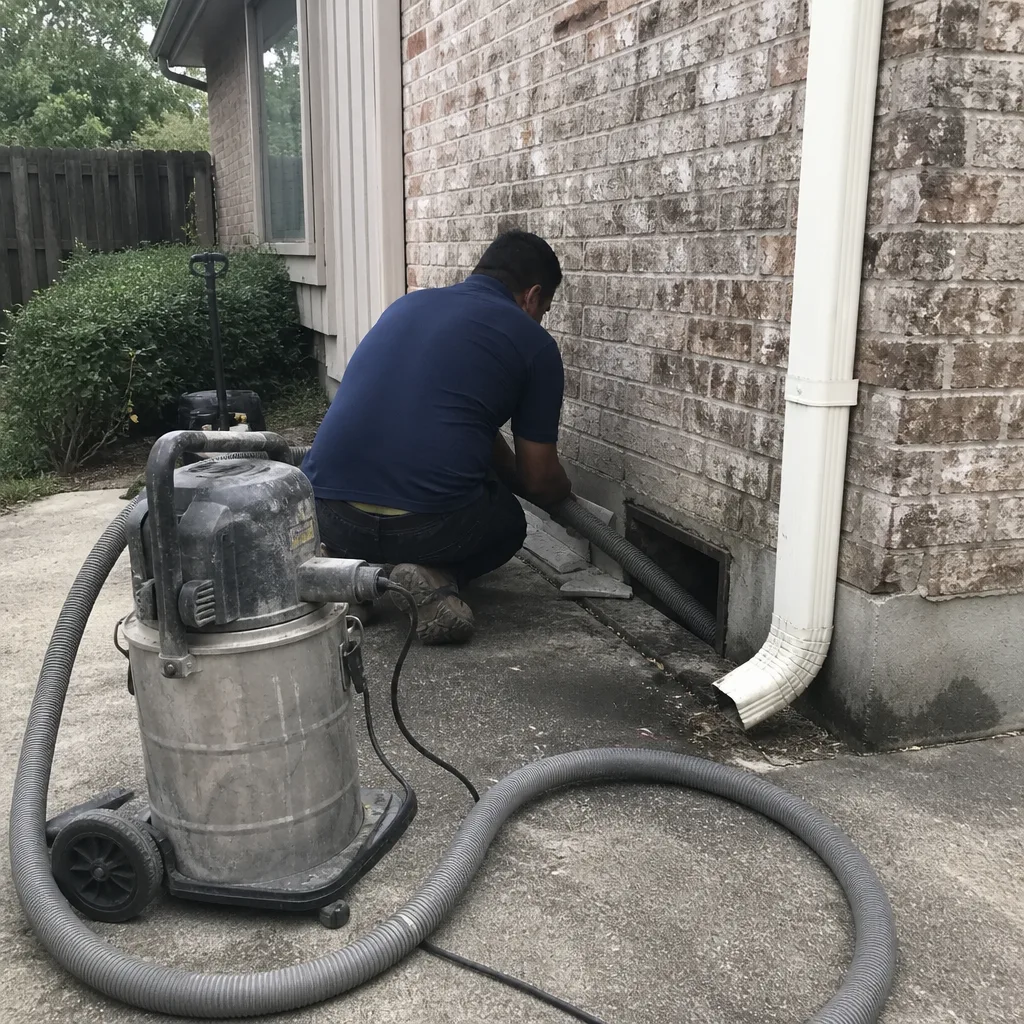 Before
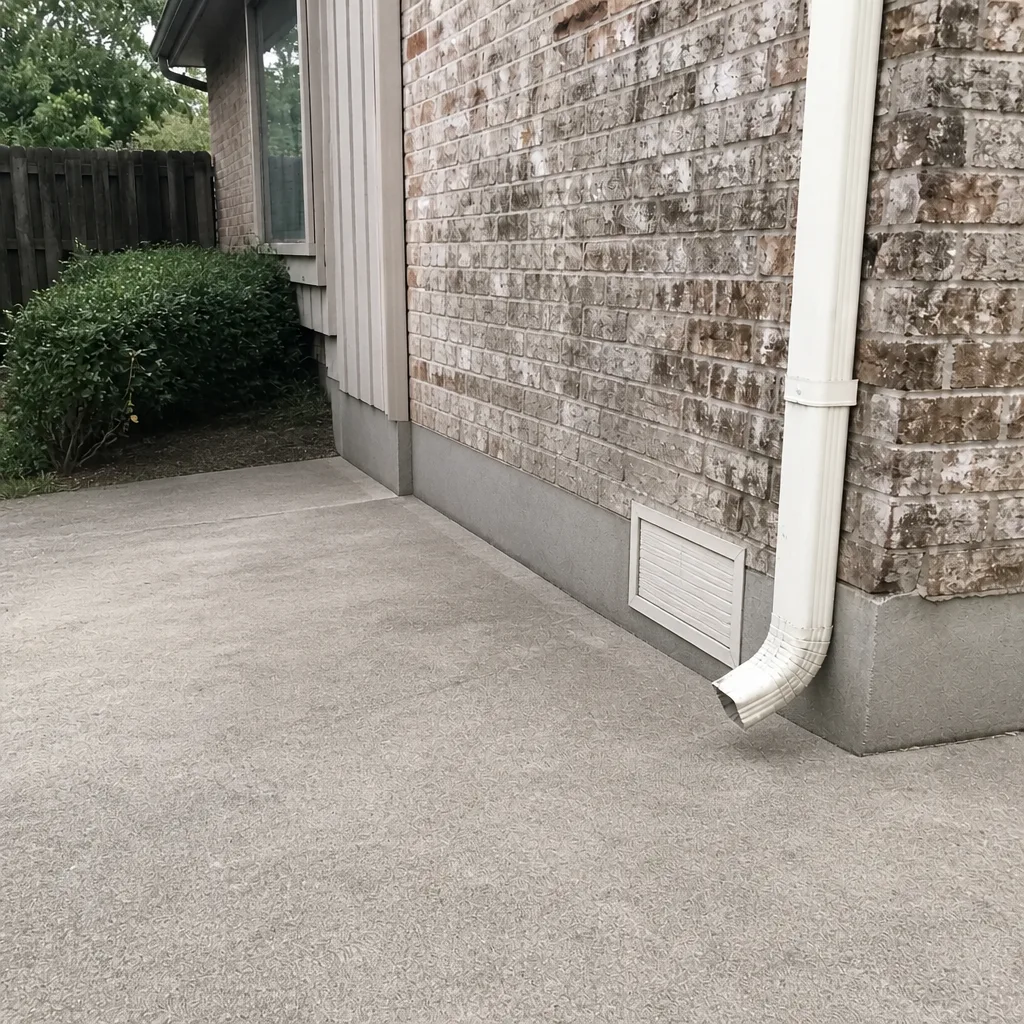 After
When to Call a Professional
Not every home needs duct cleaning every year. But several scenarios push the work from optional to useful: visible dust blowing out of registers when the system starts, a musty smell that comes and goes with the HVAC running, family members with ongoing allergy symptoms that no filter change fixes, a recent flood remediation, a recent renovation that pulled construction dust through the return, or a system that runs noticeably longer than it used to. High indoor humidity in Meyerland can also leave condensation inside older duct runs, which favors biological growth if airflow is restricted. If you’re noticing any of these, an inspection is worth doing before summer. Air Duct Cleaning Meyerland offers free estimates in Meyerland and can tell you what the system actually needs rather than quoting a fixed package. Call (877) 492-2022. We answer 24/7. Fast dispatch from 7am to 7pm, Sunday through Friday.
Frequently Asked Questions
Expect $89 for a minimal supply-only pass up to $1,200+ for a full-system clean with returns, air handler cabinet, sanitizer, and any duct sealing. The written estimate sets the final price, and it should spell out which of those line items you’re buying. If a quote lands well under $200, ask what it excludes before you compare it to anything else. Call (877) 492-2022 for an exact quote. Estimates are free.
Because they’re cleaning a smaller portion of the system. A $149 quote usually covers the supply registers with a portable vacuum, not the returns, the air handler cabinet, or the trunk and branch work that requires rotary brush equipment. The cheaper quote isn’t a discount on the same job. It’s a different, incomplete job. Call (877) 492-2022 for an exact quote. Estimates are free.
Insist on before-and-after photos of your own ducts in the written scope, and ask to see the equipment on site. Rotobrush and Nikro rigs are visible during the job, and HEPA containment is a sound you’ll hear. A cleaning crew that doesn’t bring rotary agitation equipment didn’t clean the duct walls, they vacuumed the surface. Call (877) 492-2022 to schedule an estimate. Estimates are free.
Most homes do well with a full-system clean every three to five years, though a flood-remediated home or one with pets and allergy-sensitive family members may justify a shorter cycle. Between cleans, indoor humidity control in Meyerland matters more than people realize, because high humidity keeps dust and organic material from fully drying. If your registers start blowing visible dust, it’s time regardless of the calendar. Call (877) 492-2022 for an exact quote. Estimates are free.
Usually yes, and the increase is legitimate when it reflects real additional work: more access points, return-side contamination, air handler cabinet cleaning, and possibly partial flex duct replacement. Ask the contractor to explain each line item on the quote and whether wet flex duct is assumed. If the premium isn’t itemized, ask why. Call (877) 492-2022 for an exact quote on a home with flood history. Estimates are free.
Yes, and doing it during the same visit avoids a second mobilization. A media filter cabinet (Aprilaire) or a Honeywell air-quality control is installed as part of the same service so the cleaned ducts feed into upgraded filtration rather than a 1-inch filter that re-loads quickly. It’s the practical upgrade path when you’re already paying for the clean. Call (877) 492-2022 to talk through filtration options for your system. Estimates are free.
The Bottom Line
Duct cleaning prices in Meyerland range from $89 to $1,200+ because the range covers two different jobs: a supply-only vacuum pass and a full-system clean with returns, cabinet, rotary agitation, and sealing. Square footage gives you a rough idea, but duct count, zones, and access drive the actual number. Legitimate add-ons are Aprilaire and Honeywell filtration, documented sanitizer, and duct repair and sealing. Upsells are unbranded bio-sprays and UV lights sold as whole-home solutions. Flood-remediated homes carry a justified premium for real scope. Grade any quote on the seven scope items before comparing totals. One flat price per system, written before work starts, with before-and-after photos, ends the bait-and-switch problem entirely.
If you’re ready to see what your ducts actually contain and what it costs to get them clean, we can help. Read our guide to air duct cleaning in Meyerland for the inspection process, then call (877) 492-2022 for a free estimate. We answer 24/7. Fast dispatch from 7am to 7pm, Sunday through Friday. Our technicians have up to 11 years of experience with Rotobrush and Nikro equipment, and we can install Aprilaire and Honeywell air-quality products the same day your ducts are cleaned.
Written by the team at Air Duct Cleaning Meyerland.