
Last updated November 25, 2026
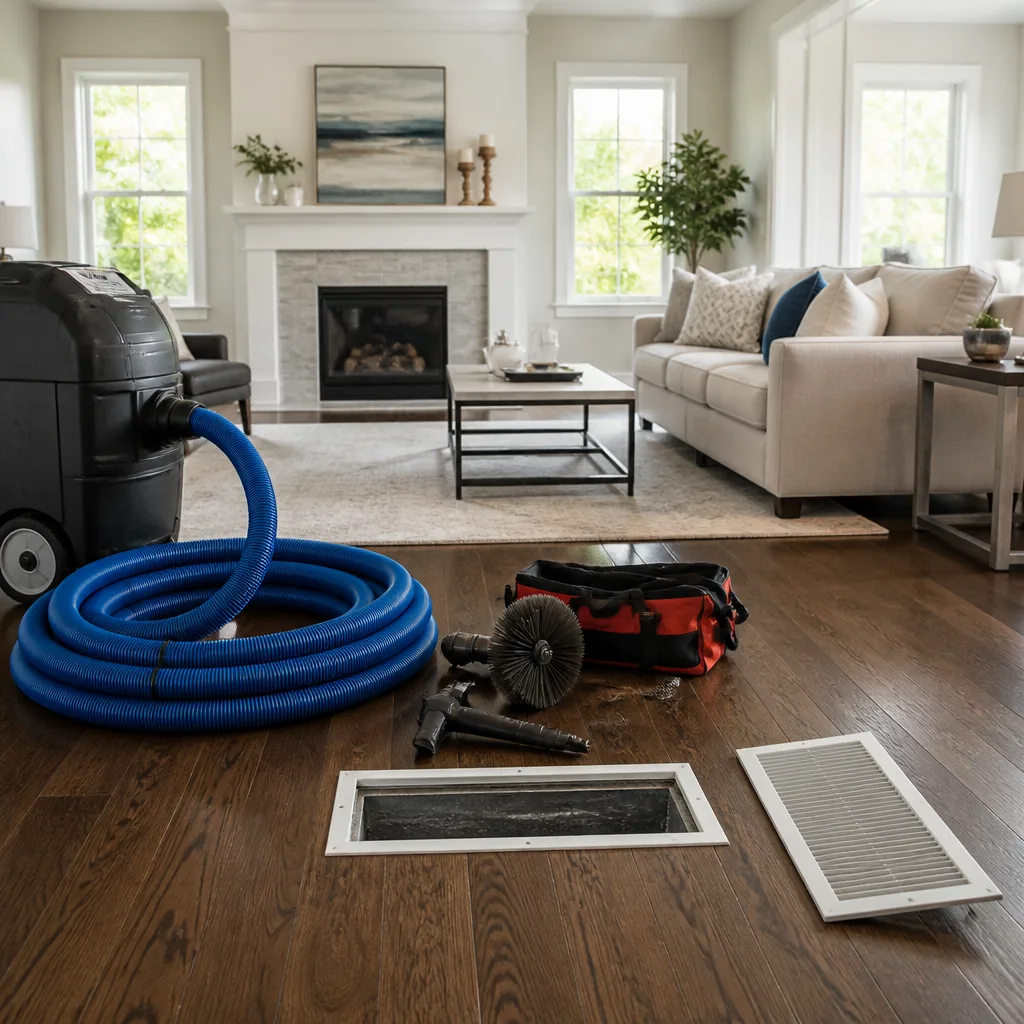 Whole-home duct cleaning
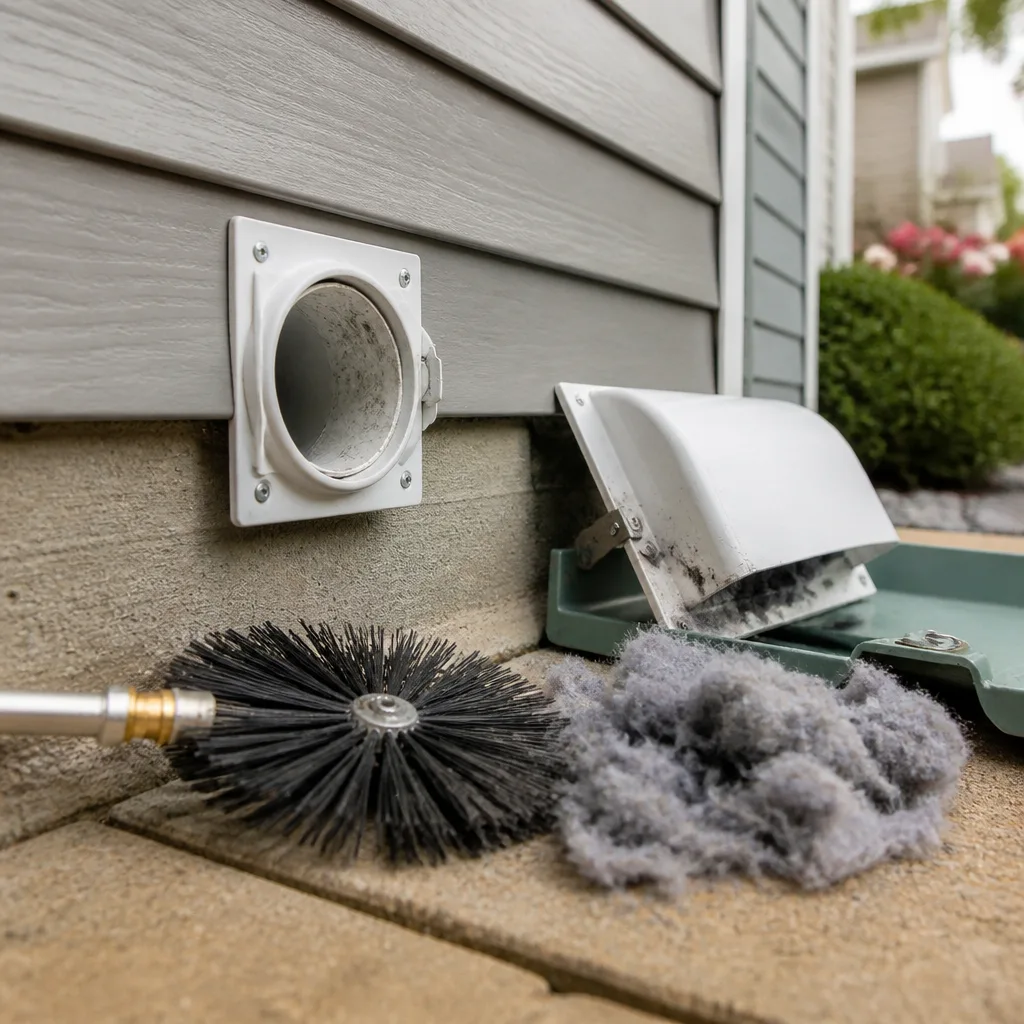 Dryer vent cleaning
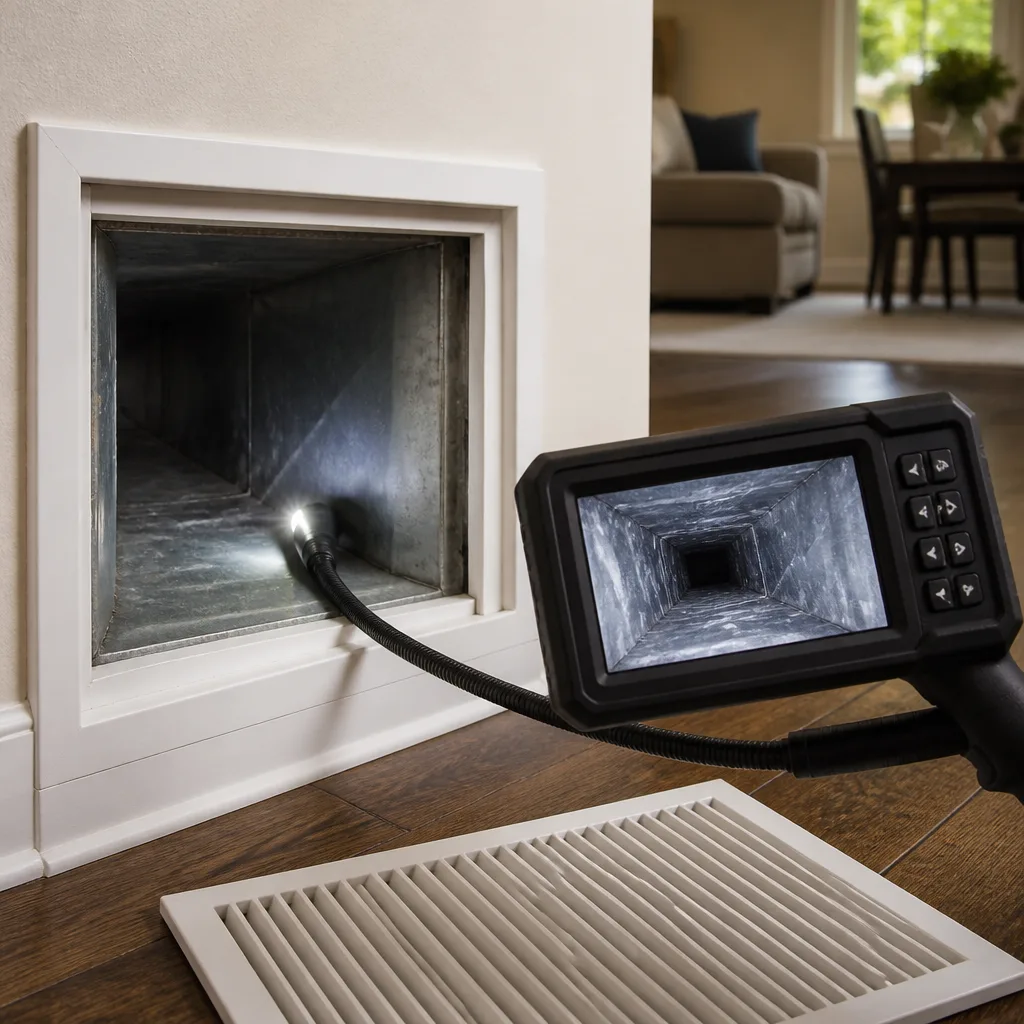 Camera inspection
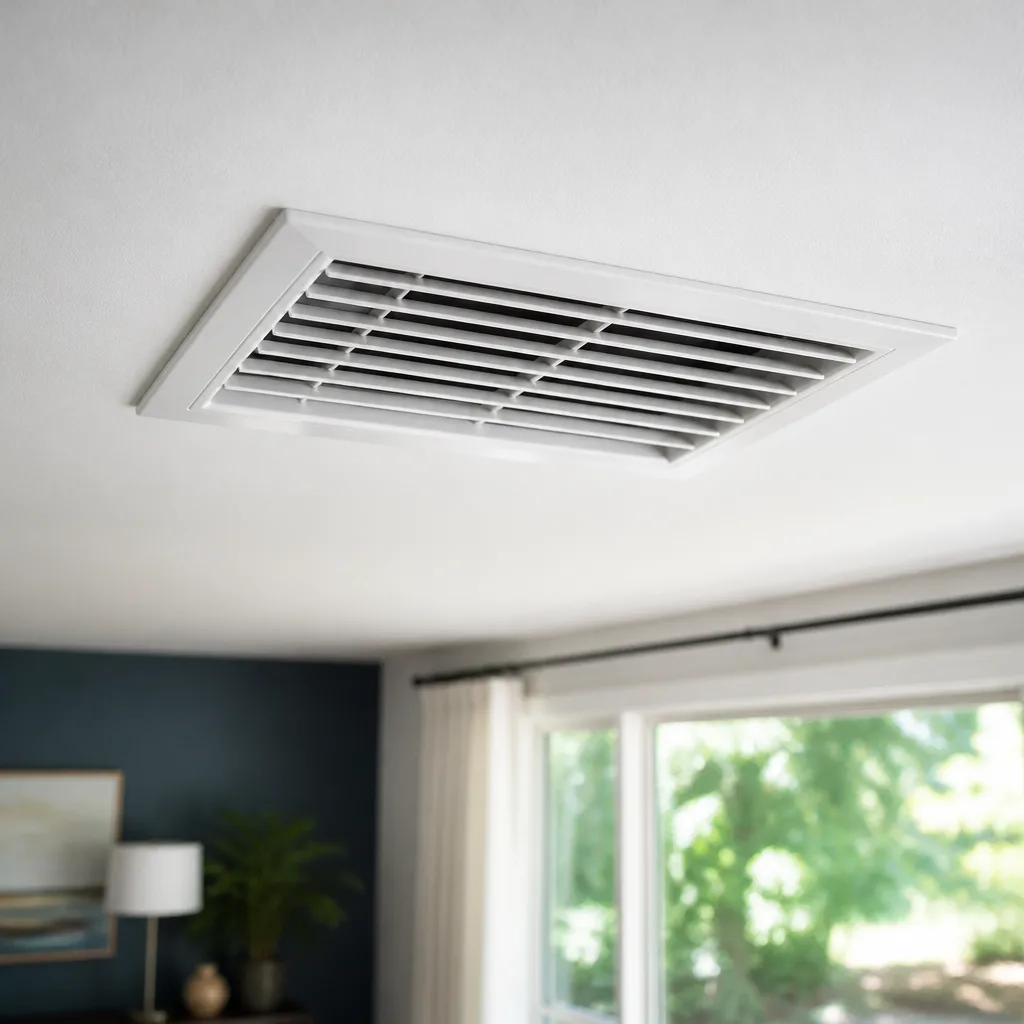 Sanitizing & deodorizing
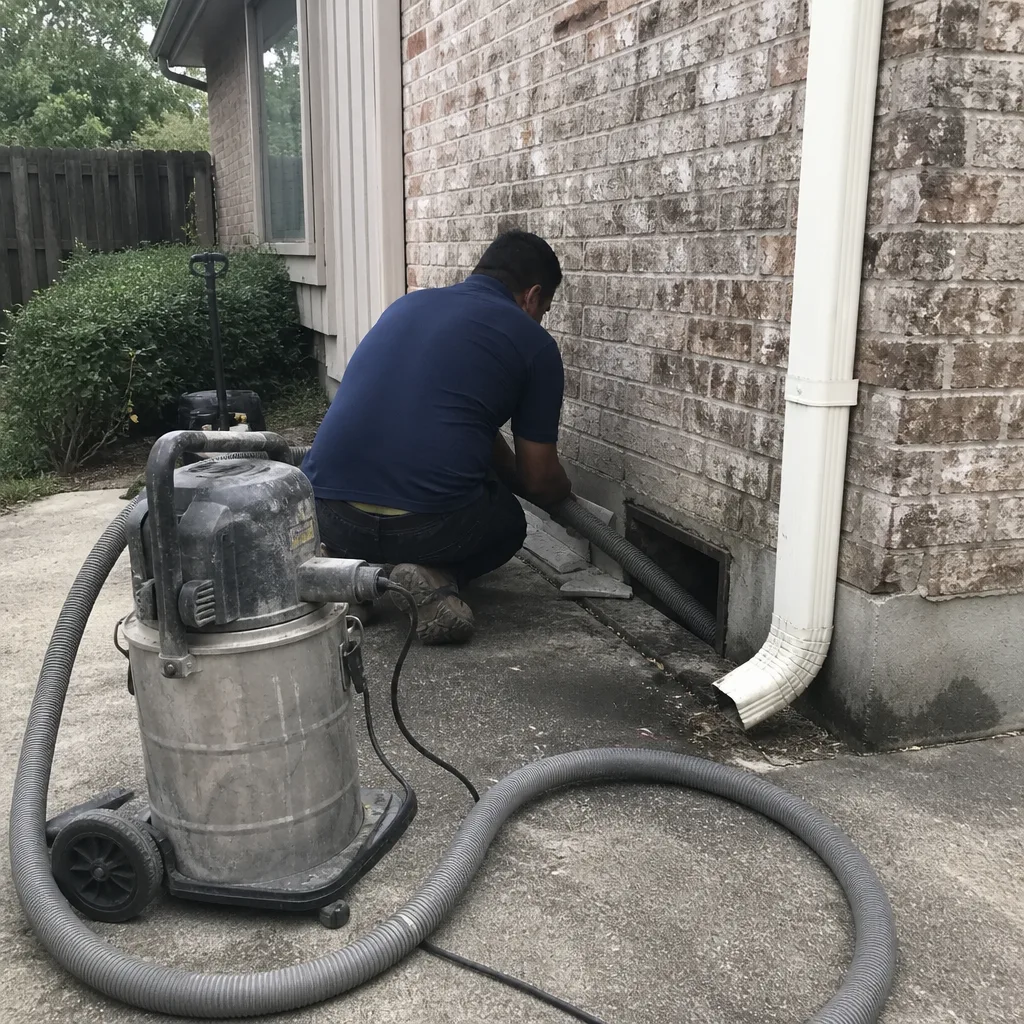
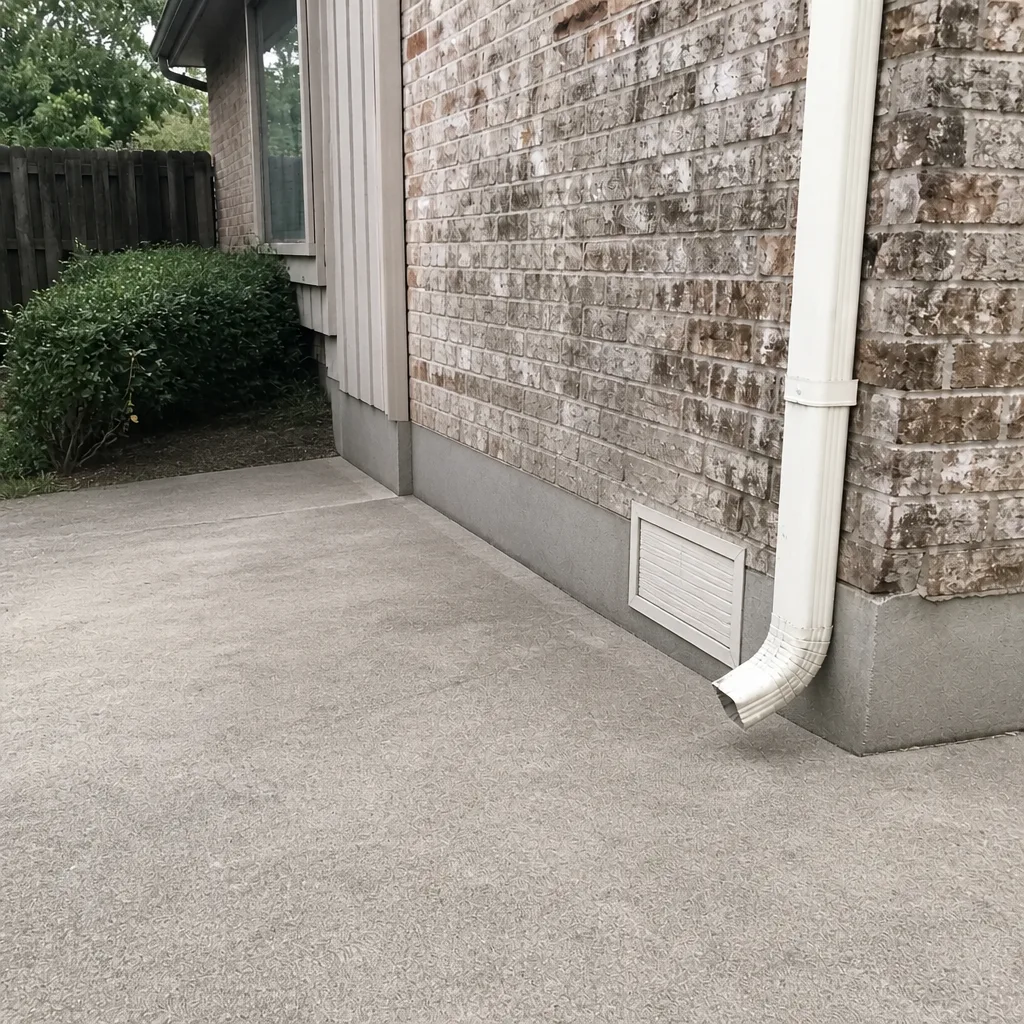
Whole-system duct and dryer vent check with before-and-after photos - you see exactly what came out of your vents
That "$99 whole-house special" is a bait ad - the real number appears once they are in your hallway, or the "clean" is a shop-vac at the register. We photograph the inside of your ducts before and after instead.
Choosing the Right Air Duct Cleaning Brand: A Buyer’s Guide for Meyerland
Most homeowners choose a duct cleaning company on price and availability, then cross their fingers. That order is backwards. The single fastest way to separate a professional operation from a crew that shows up with a shop vac and a sales pitch is one question almost nobody asks: what equipment are you running, and who makes it? The brands behind the tools tell you whether a company has actually invested in doing the work properly. In this guide, we’ll walk through why certain equipment names carry weight in Meyerland and beyond, how to read a company’s air-quality brand claims, and what a transparent quote should contain. Expect to finish knowing exactly what to ask before you book.
Quick Answer
The right air duct cleaning company is the one that uses named, professional-grade equipment (Rotobrush rotary brushing and Nikro HEPA extraction are the industry benchmarks), sells air-quality products from established manufacturers like Aprilaire and Honeywell rather than generic knockoffs, and puts equipment models, product specs and warranty terms in writing on the quote. A company that can’t name its equipment is usually a company that doesn’t own serious equipment.
Styles & brands we work with
- Whole-home duct cleaning
- Dryer vent cleaning
- Camera inspection
- Sanitizing & deodorizing
Table of Contents
- Why the Brands a Company Uses Are the Best Screen
- What Rotobrush and Nikro Actually Do Inside Your Ducts
- Aprilaire and Honeywell: What Whole-Home IAQ Products Actually Do
- Integrated System Design vs. Selling a Box
- How to Verify a Company’s Brand Claims
- What Brand Transparency Looks Like in a Quote
- Beyond Cleaning: Sealing, Dryer Vents and the Full Air Pathway
- When the Job Calls for Abatement Technologies Equipment
Why the Brands a Company Uses Are the Best Screen
A duct cleaning company’s brand choices are hard to fake. Anyone can print “professional cleaning” on a truck. What’s harder to fake is a Rotobrush or Nikro system, which is a real capital investment that only makes sense if the company plans to do this work at a professional standard for years. In our experience, the companies cutting corners are the ones running consumer-grade vacuums or truck-mounted vacuum-only rigs that suck up loose dust but never touch what’s stuck to the duct walls.
The equipment question matters more in Meyerland than in a lot of places. Houston’s Gulf Coast climate means high humidity for most of the year, which is exactly the condition that lets dust, allergens and moisture-loving contaminants settle into ductwork and stay there. A machine that only removes the loose top layer leaves the contaminated layer behind. When you ask “what equipment do you use?”, you’re really asking whether the company has a mechanical way to agitate duct walls and a contained way to extract what comes off. That’s the whole ballgame.
Here’s the pattern to watch for:
- Named, professional-grade equipment – a specific system they can describe by make and model.
- Mechanical agitation plus HEPA filtration – brushing to loosen debris, filtration to capture it safely.
- Consistent answers – the person on the phone knows the equipment, not just the price.
- Subcontracted work – if the company outsources the actual cleaning, they often can’t tell you what will show up.
If you get vague answers here, treat that as your answer. Move on. Our Air Duct Cleaning Meyerland work is built around the principle that equipment is the foundation of a credible job, and the same standard applies when you’re evaluating anyone in Meyerland.
What Rotobrush and Nikro Actually Do Inside Your Ducts
These two names come up so often in serious duct cleaning that understanding what they do is worth ten minutes of your time. Rotobrush is a rotary brush system: a flexible, motorized brush head travels through the ductwork and mechanically scrubs the duct walls. Passive vacuuming doesn’t remove the film of dust, pollen and microbial residue that clings to the metal or flex duct. The brush does. Rotobrush equipment is the same class of tooling commercial HVAC contractors use, which is the point – it’s not a homeowner-grade gadget.
Nikro handles the other half of the equation: HEPA-filtration extraction. Once the brush has loosened debris from the duct walls, Nikro equipment pulls it out of the system through high-efficiency filtration so it doesn’t just recirculate into your living space. A containment-and-extraction system paired with mechanical brushing is the combination that leaves ducts genuinely cleaner, not just briefly less dusty.
What this means in practice for a Meyerland home:
- Inspection first. A technician checks the layout and condition of the ductwork before choosing tools.
- Mechanical agitation. The rotary brush travels each run to scrub the walls.
- Contained extraction. HEPA-filtration equipment captures the loosened debris.
- Verification. Before-and-after photos show what came out and what the ducts look like now.
You can learn more about the process on our air duct cleaning page. The point for this guide is simpler: if a company can’t explain this mechanically, they probably aren’t doing it mechanically. The Rotobrush and Nikro investment is the tell.
Aprilaire and Honeywell: What Whole-Home IAQ Products Actually Do
Cleaning removes what’s in the ducts today. Filtration and humidity control decide what ends up back in them tomorrow. That’s the gap where cheap duct cleaning companies leave homeowners exposed, and why the air-quality brands a company carries matter just as much as the cleaning equipment. Aprilaire and Honeywell both make whole-home air-quality products installed in the HVAC system itself: high-efficiency filtration, humidification and dehumidification controls, and related components that work with your furnace and air handler.
Meyerland’s humidity profile is the reason this isn’t optional. A typical Houston-area home runs humid for much of the year, and elevated indoor humidity is the condition that feeds mold growth and keeps allergens suspended in the air. A whole-home dehumidification or filtration approach addresses that at the system level, not with a plug-in gadget from a big-box shelf. When a company installs Aprilaire or Honeywell products, they’re extending the job from a one-time clean into ongoing indoor air quality – a design decision, not a retail upsell.
What whole-home IAQ products can actually deliver:
- Filtration that captures finer particles at the air handler than standard filters allow.
- Humidity control that keeps indoor moisture in a range that discourages mold and dust mites.
- Integrated control that ties into your HVAC system so filtration runs with the equipment it’s protecting.
The alternative you want to be cautious of is generic aftermarket filters and controls sold by a company that doesn’t install or service them long-term. Brand matters here the way it matters for your HVAC equipment itself.
Integrated System Design vs. Selling a Box
There’s a real difference between a company that sells air-quality products and one that integrates them into a system design. Selling a box means someone hands you a filter or a humidifier and moves on. Integration means the technician looked at your HVAC system, your duct layout, your home’s humidity profile, and the way the system actually runs before recommending a specific Aprilaire or Honeywell product – and then installs it so it works with the equipment you already have.
In Meyerland, integration matters for a specific reason: the same humidity that makes filtration worthwhile also makes a poorly designed add-on a liability. A dehumidification component installed without regard to the air handler’s capacity or the home’s airflow can create more problems than it solves. Integration starts with the whole air pathway – the ducts, the HVAC system, the filters and controls – and designs the fix from there. That’s why we cover cleaning, HVAC service and air quality under one service relationship rather than splitting the work across specialty contractors.
The questions that separate the two approaches:
- Did they inspect the whole system first? Integration starts with a look at ducts, HVAC equipment and humidity, not a brochure.
- Can they explain why this product fits this system? A real recommendation references your equipment and your home.
- Do they carry multiple brands to fit the situation? A single-brand sales push usually means a single product answer.
- Will they service what they install? Ongoing IAQ works only if the installer stays involved.
You can see how we approach that full-system view on our HVAC cleaning page. The takeaway: the brand on the box is only meaningful when the company behind it can design the system around your home.
How to Verify a Company’s Brand Claims
Any company can claim “professional equipment.” Verification is where the real evaluation happens. The goal is to confirm they actually own and operate the equipment rather than subcontracting the work or renting a rig when a job shows up. A few specific questions do most of the work.
Ask these in a phone call before you book:
- “What make and model of equipment will you use on my job?” A serious answer names Rotobrush, Nikro or Abatement Technologies and can describe the system. A vague answer is a red flag.
- “Do you own the equipment, or subcontract the cleaning?” Ownership usually correlates with accountability.
- “Can you show me the equipment before work starts?” A company with real equipment has no reason to refuse.
- “What IAQ brands do you install, and can you send spec sheets?” Aprilaire and Honeywell documentation is standard for a company that installs them.
- “Will the quote reference the equipment and any installed products?” These items should show up in writing, not just in conversation.
- “Do you offer before-and-after photos of my ducts?” Documentation of the work itself is part of the offer, not a request.
One more useful check: ask the person on the phone to describe the cleaning process in two sentences. If they can’t, whoever shows up at your Meyerland home probably can’t either. A company that owns its equipment tends to know exactly how it works.
What Brand Transparency Looks Like in a Quote
A quote from a professional duct cleaning company should be specific enough that you could hand it to another technician and they’d know exactly what’s going to happen. That’s the standard. Vague line items and a single number are the pattern you see from volume operations cutting corners.
A transparent quote includes:
- Equipment references. The make and class of system being used, so you know what’s doing the work.
- Product spec sheets. Any Aprilaire, Honeywell or other installed IAQ components should come with manufacturer documentation.
- Warranty documentation. Branded products come with manufacturer warranties, and you should see the terms in writing.
- Consistent scope. What’s cleaned, what’s sealed, what’s installed, and what’s not.
- Before-and-after photos of your own ducts, delivered as part of the job record rather than as a request you have to make.
All of this is why we treat the written estimate as the real price of the job. Estimates are free, and pricing is set per job by the written estimate – not by a phone call, a coupon, or a per-vent figure. When you’re comparing quotes in Meyerland, compare the scope and the documentation, not just the number at the bottom.
Beyond Cleaning: Sealing, Dryer Vents and the Full Air Pathway
Cleaning is half the job. The other half is making sure the ducts stay clean and the whole air pathway works – and that’s where brand choices come back into the picture. Duct repair and sealing address the leaks that let dust, humidity and outside air find their way into a freshly cleaned system. A company that cleans and walks away leaves the root cause in place. A company that cleans, seals and repairs is treating the system, not the symptom.
Meyerland’s housing stock makes this relevant. Ductwork that’s decades old often has small separations, disconnected joints or thinly sealed connections that have developed over years of HVAC cycling. Houston’s humidity finds those gaps. Sealing them, along with quality filtration, is what turns a one-time clean into a result that holds.
The full air pathway includes:
- Air ducts throughout the house, cleaned with mechanical brushing and HEPA extraction.
- The HVAC system, including the air handler and related components, cleaned so the equipment isn’t reintroducing debris to the ducts.
- Dryer vents, which are part of the household air pathway and a common source of both lint buildup and inefficiency.
- Sanitizing, where inspection shows microbial growth or recurring odor that cleaning alone won’t fix.
- Repair and sealing, so the cleaned system stays sealed and efficient.
Dryer vent work is worth calling out separately, since it’s easy to forget: see our dryer vent cleaning page for how it fits the overall air pathway. One call covering the whole system is also what lets a technician see the relationships between components, rather than treating each service as an isolated job.
When the Job Calls for Abatement Technologies Equipment
Some duct cleaning jobs are routine. Some need equipment designed for serious contamination scenarios. Air-quality work in Meyerland runs the full range: routine maintenance, post-construction debris, mold-related calls and heavy allergen buildup all fall along the same spectrum. The equipment needs to match the job – and a company that only owns one tier of tooling will often use that tier on everything, whether it fits or not.
Abatement Technologies equipment is the standard we turn to for advanced contamination scenarios. It signals readiness for jobs beyond routine dust: post-construction cleanup, mold scenarios and allergen-heavy homes where containment is critical to doing the work safely. Guardsman-grade cleaning and protection products are part of how we close out that work, so surfaces are left protected, not just cleaner.
Signs a job may need the more advanced equipment:
- Visible mold or a persistent musty odor after previous cleaning.
- Recent renovation with drywall dust or debris that has migrated into the ducts.
- Family members with allergies or asthma who react to the home’s air quality.
- Long gaps since the last professional service with layered contamination to remove.
The right question isn’t “do you have equipment for that?” – it’s “how do you decide which equipment to use, and can you explain why?” A company that can walk you through that decision has the range to handle what’s actually in your system. That’s the standard we hold ourselves to in every Meyerland home.
Common Mistakes to Avoid
- Booking on price alone. A low number is often the setup for a much larger invoice once the technician is inside your house. Compare scope and equipment, not just dollars.
- Not asking about equipment. If you never ask what the crew is running, you’ve given up the single most reliable screen a homeowner has. Ask about make and model before you book.
- Accepting per-vent pricing. Per-vent pricing rewards touching more vents, not doing better work. Whole-system pricing is the honest structure for a Meyerland home.
- Skipping sealing and repair. Cleaning without sealing leaks in a humid climate lets the problem return. Ask whether sealing is part of the scope.
- Buying IAQ products without integration. A box of aftermarket filters isn’t a system design. Ask how the Aprilaire or Honeywell product being recommended fits your HVAC equipment specifically.
- No before-and-after documentation. Cleaned ducts are easy to claim and hard to verify. Photos of your own ducts are the record that matters.
- Not asking who’s doing the work. Subcontracted crews are a common reason a company can’t answer equipment questions. Ownership and accountability tend to travel together.
See the difference
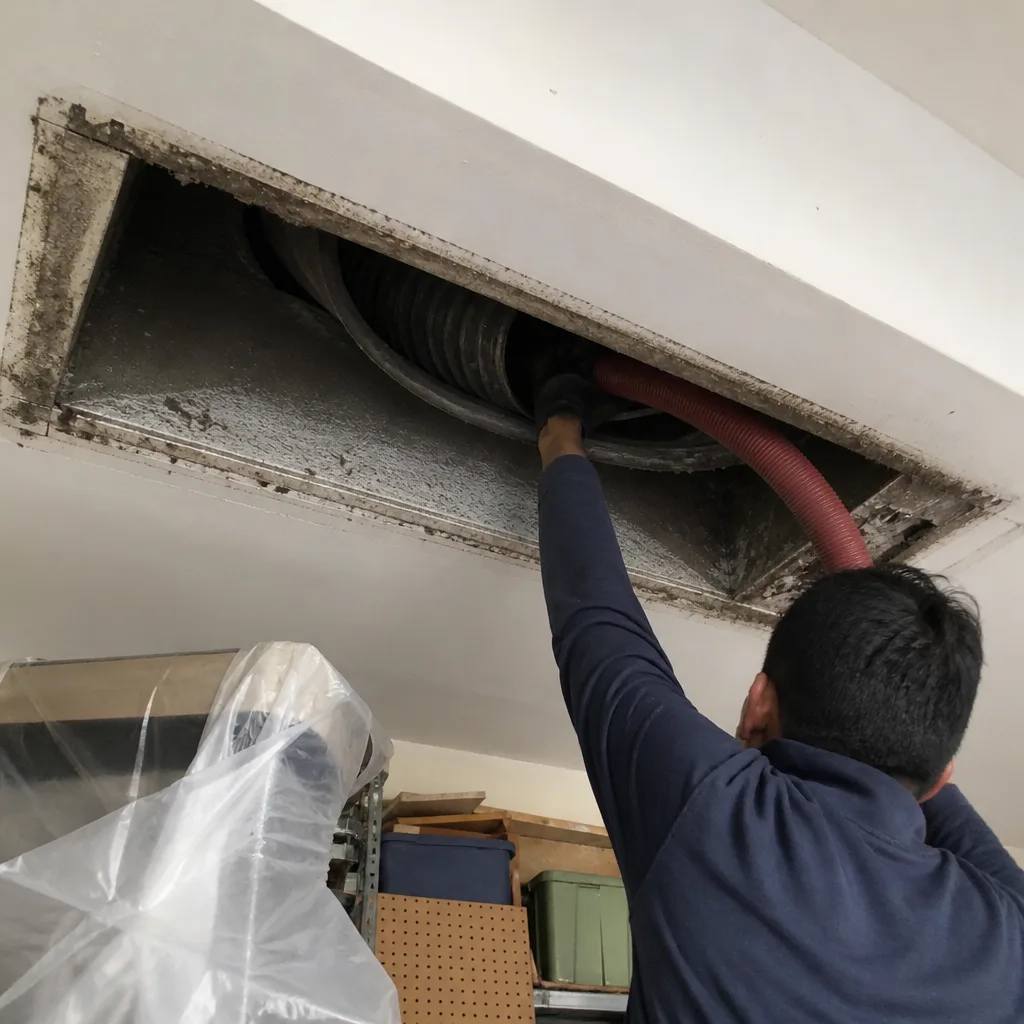 Before
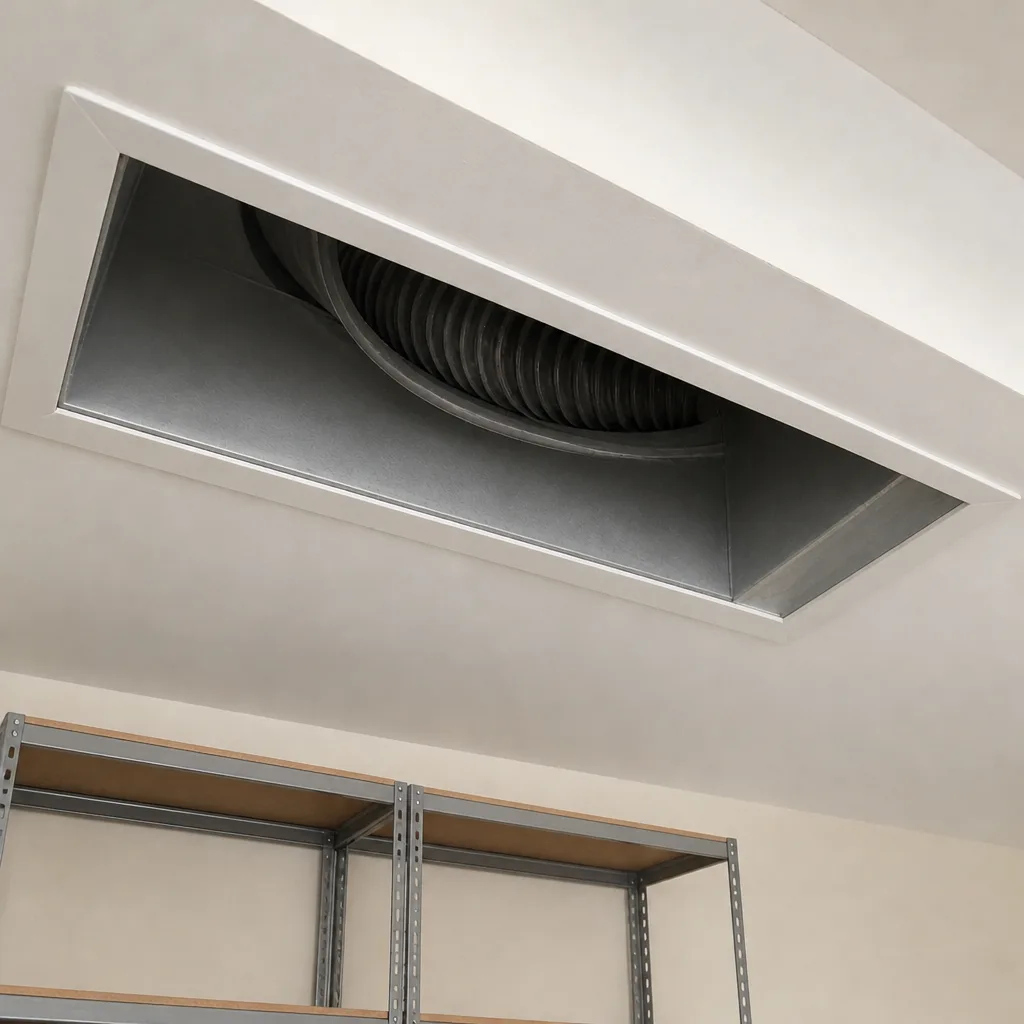 After
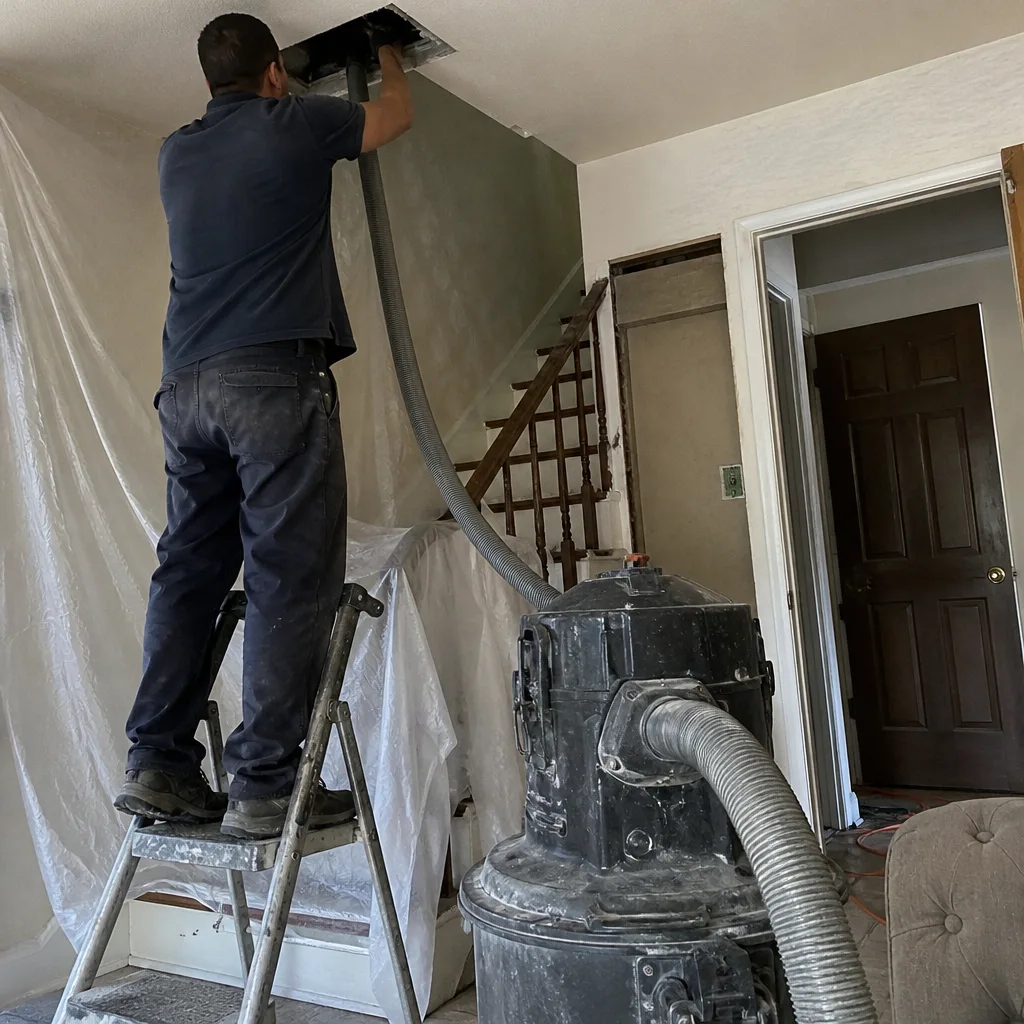 Before
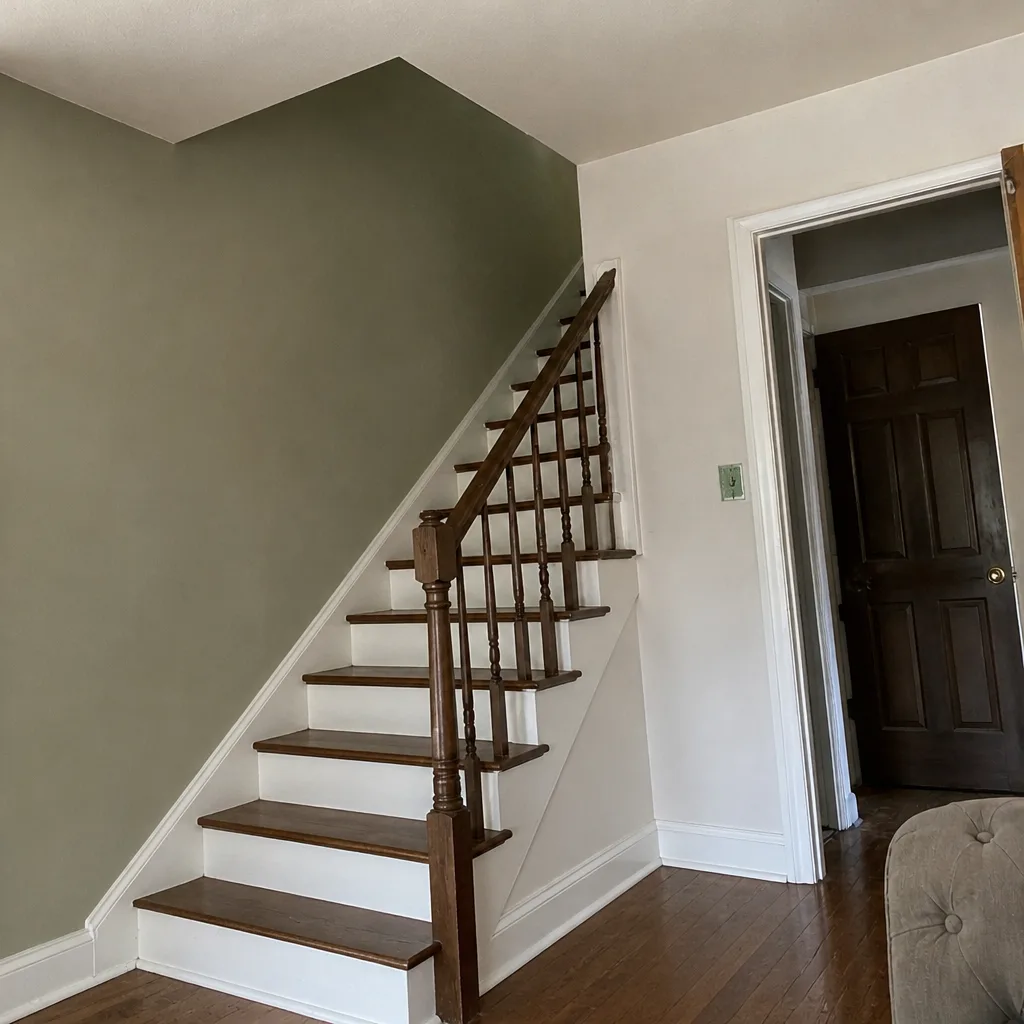 After
 Before
 After
When to Call a Professional
Some situations in Meyerland make an equipment-first evaluation an obvious call to action. If anyone in the home has allergies or asthma that seem worse indoors, persistent dust returns within days of cleaning, or you notice a musty odor when the HVAC kicks on, it’s time for a professional inspection. If your ductwork hasn’t been serviced in years, or a recent renovation pushed drywall dust through the system, the same applies. And if you’re being pitched a low quote with no equipment or scope details, get a second opinion before committing.
Air Duct Cleaning Meyerland offers free estimates in Meyerland – call (877) 492-2022. We answer 24/7. Fast dispatch from 7am to 7pm, Sunday through Friday.
Frequently Asked Questions
Ask what make and model of equipment they’ll use on your job. A professional operation can name its system – Rotobrush rotary brushing and Nikro HEPA extraction are the industry benchmarks – and describe how it works mechanically. A company that can’t answer that question is usually one that doesn’t own serious equipment. Call (877) 492-2022 for an exact quote – estimates are free.
The cheap quotes are usually a teaser that grows once the technician is inside your home, and they almost always reflect less equipment and less scope. Whole-system pricing covers the mechanical brushing, contained extraction and sealing that actually remove the contamination – per-vent pricing doesn’t. We use one flat price per system agreed before work starts, so the quote you receive is the price you pay. Call (877) 492-2022 for an exact quote – estimates are free.
Cost depends on the size of the system, duct layout and whether contamination requires advanced equipment, so we don’t publish per-vent prices. The written estimate is the real price, and estimates are free. If a quote you receive is per-vent or unusually low, ask what equipment is being used before comparing further. Call (877) 492-2022 for an exact quote – estimates are free.
Whole-home Aprilaire and Honeywell products work at the air handler to capture finer particles and, in the case of humidity controls, keep indoor moisture in a range that discourages mold and dust mites. In Meyerland’s humid climate, humidity control is often the missing piece. A standard filter only catches larger particles and doesn’t address moisture at all. Call (877) 492-2022 for a free estimate on air quality options.
Most homes fall in a multi-year range, but the honest answer is that it depends on your home, the number of occupants and pets, recent renovations and whether anyone has allergies. In Houston’s humid climate, homes with moisture-sensitive family members often benefit from quicker follow-ups. The best approach is an inspection with photos so you can see what’s actually there. Call (877) 492-2022 for an exact quote – estimates are free.
Before-and-after photos of your own ducts are the record that matters, and any professional company should provide them as part of the job. Ask to see the equipment before work starts and confirm that the quote references the make and model being used. That combination gives you a paper trail and a visual record. Call (877) 492-2022 for an exact quote – estimates are free.
The Bottom Line
Evaluating a duct cleaning company on brand choices is faster and more reliable than evaluating it on price. Rotobrush and Nikro are the equipment benchmarks because they do the work that matters – mechanical agitation and contained HEPA extraction. Aprilaire and Honeywell matter because whole-home filtration and humidity control are what protect a cleaned system in Meyerland’s climate. Abatement Technologies equipment is what a company should have for serious contamination, and a transparent quote references all of it in writing. Ask what equipment and products a company uses, ask how they’d integrate them into your home, and the answer tells you almost everything.
Get a Free Estimate on Your Meyerland Home
We’d rather you book us because the equipment and the scope are what you actually need than because someone quoted you a promotional number. If you want to skip the guesswork entirely and just get a straight answer on what your home’s ductwork needs, call (877) 492-2022 for a free estimate. We answer 24/7. Fast dispatch from 7am to 7pm, Sunday through Friday. Before work begins, you’ll have one flat price per system agreed in writing, and the local pro doing the work is licensed and insured as their state requires.
Written by the team at Air Duct Cleaning Meyerland.