
Last updated November 25, 2026
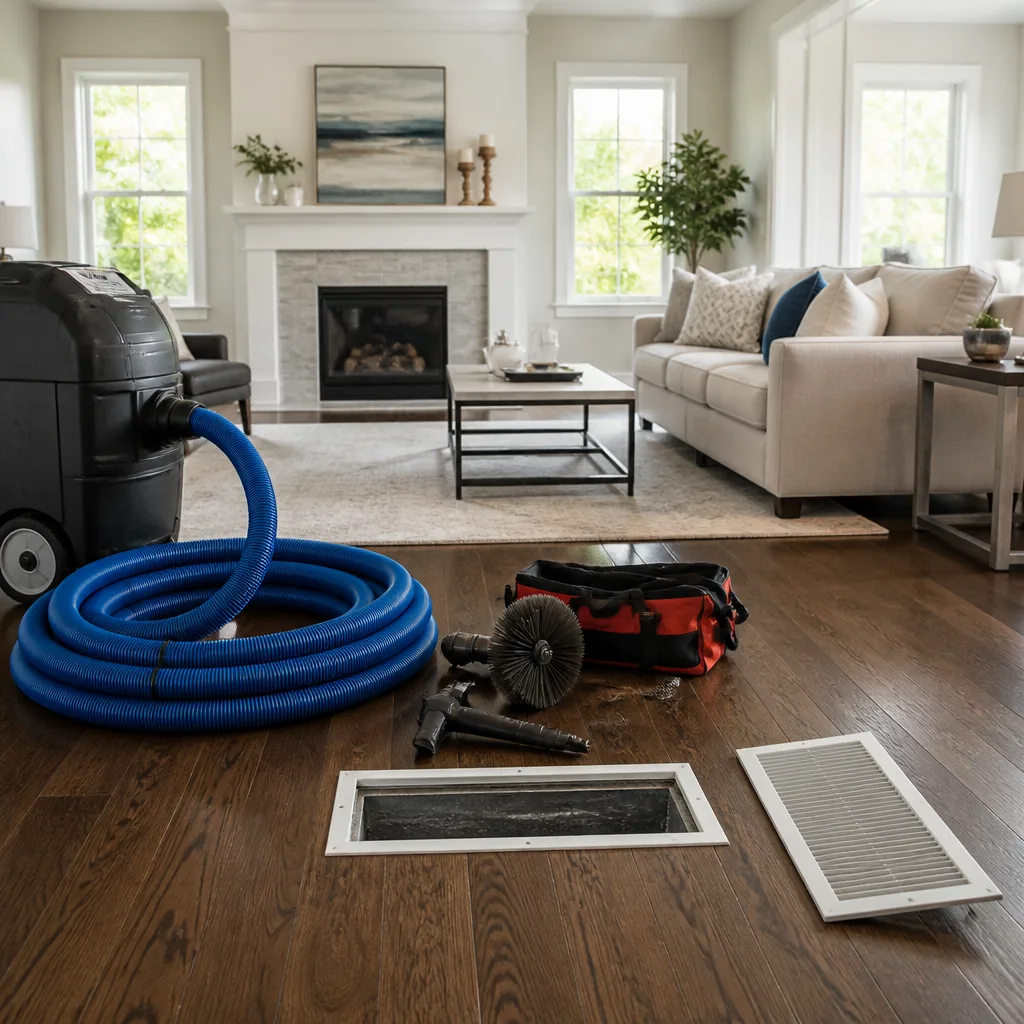 Whole-home duct cleaning
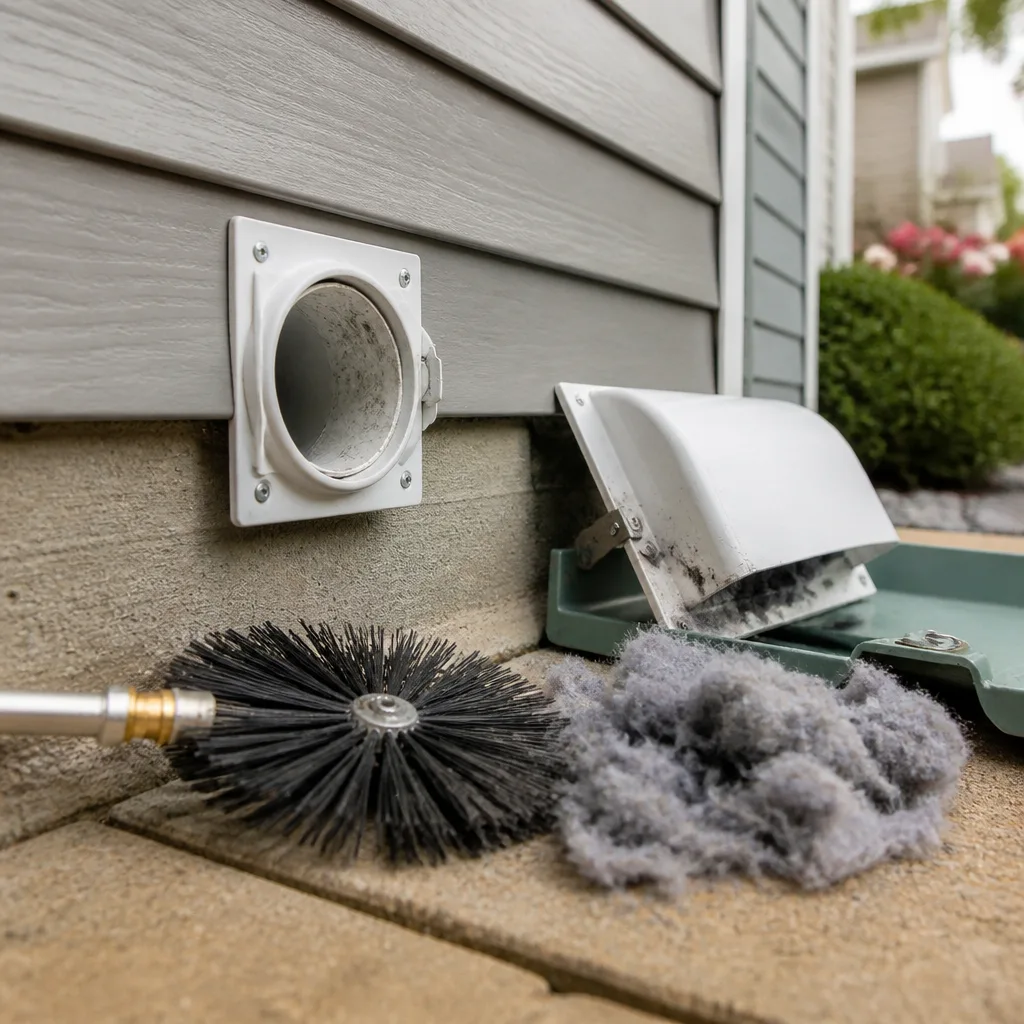 Dryer vent cleaning
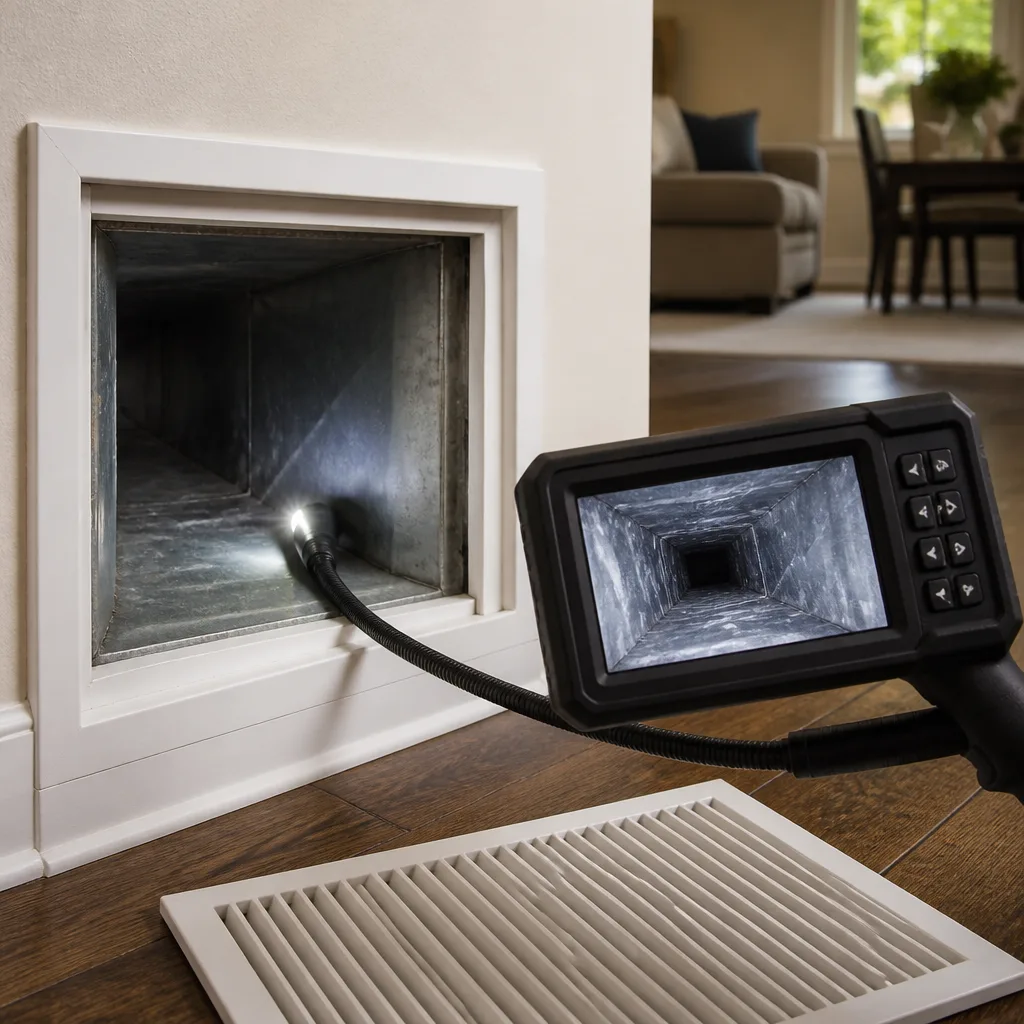 Camera inspection
 Sanitizing & deodorizing
Whole-system duct and dryer vent check with before-and-after photos - you see exactly what came out of your vents
That "$99 whole-house special" is a bait ad - the real number appears once they are in your hallway, or the "clean" is a shop-vac at the register. We photograph the inside of your ducts before and after instead.
Air Duct Cleaning Permits, Codes & Inspections in Meyerland, TX: What You Need to Know
Here’s the part that surprises most homeowners: the duct cleaning itself needs no permit, but the work that often rides along with it sometimes does. When a technician adds a UV germicidal light inside an air handler without pulling an electrical permit, that unpermitted work can surface as a defect in a home inspection when you sell. Meyerland has a lot of homes that were rebuilt or heavily repaired after flooding, and those houses carry duct work of very mixed ages. This guide walks through what’s covered, what triggers a permit in Harris County, what “code compliant” really means for flex duct, and how to protect yourself in writing before a job starts.
Quick Answer
Routine air duct cleaning in Meyerland, TX does not require a permit. What can require one is the add-on work: installing a UV light or any electrical device inside the air handler, adding new registers or runs, replacing duct sections in some cases, and any work that touches gas lines or the electrical panel. Duct sealing and repair usually fall under mechanical code and are done without a permit, but the contractor should identify any permit-triggering work in writing before starting. If you’re ever unsure, a quick call to the City of Houston’s permitting office settles it.
Styles & brands we work with
- Whole-home duct cleaning
- Dryer vent cleaning
- Camera inspection
- Sanitizing & deodorizing
Table of Contents
- Does air duct cleaning require a permit in Meyerland?
- Which add-on services trigger a permit in Harris County?
- What does “code compliant” mean for duct work in Texas?
- Duct work after a flood or renovation: HOA and city involvement
- Flex duct, aging systems, and post-flood non-compliance
- How to protect yourself before work starts
- What a home inspection looks for in your ducts
- A pre-job checklist for Meyerland homeowners
Does air duct cleaning require a permit in Meyerland?
No. Air duct cleaning in Meyerland is maintenance, not construction, and maintenance of an existing mechanical system doesn’t require a permit. The cleaning removes accumulated dust, debris, and biological growth from the interior surfaces of the duct system. No walls open, no new components get added, and the system stays as it was built. That’s why the vast majority of duct cleaning jobs in Meyerland happen without any permitting conversation at all.
Where the line blurs is in the phrase “while we’re in there.” A cleaning visit is a natural moment for a homeowner to ask about things the ducts have been quietly asking for: a UV light, a better filter cabinet, an extra return in a hot bedroom, or a run of new duct to a converted garage. Each of those is a modification, and modification is a different category from maintenance.
Here’s the useful distinction to hold onto:
- Maintenance: cleaning, sanitizing, mechanical agitation of duct walls, debris extraction. No permit.
- Repair: sealing leaks, reconnecting a detached run, re-taping and mastic-sealing joints. Usually no permit, though the contractor should know the local rule.
- Modification: new runs, new registers, new equipment, electrical connections. This is where permits enter the picture.
When we perform air duct cleaning in Meyerland, we walk the system first and tell the homeowner plainly if anything we’d recommend crosses from maintenance into modification. That conversation is worth having before the equipment comes in, not after.
Which add-on services trigger a permit in Harris County?
The add-on work is where permits live. In Harris County, work that involves new electrical connections, new duct runs, or alterations to the mechanical system generally needs to go through the permitting process, and the specific requirements depend on the scope of the job. A cleaning crew that adds a UV light without telling you it needs an electrical permit is doing you no favors down the road.
Here’s how the common add-ons break down:
UV germicidal lights and air purifiers
Any device that requires a new electrical connection inside the air handler or on the duct plenum is electrical work. If the unit plugs into an existing receptacle and mounts externally, the story is different than if it’s hard-wired into the system. Ask directly which it is. Aprilaire and Honeywell air-quality products come in both configurations, and the installation method decides the permit question.
New registers and duct runs
Cutting a new register into a wall or ceiling and running a new duct branch to it changes the mechanical system’s layout. That’s construction, and it typically triggers a permit in Harris County. A bedroom that’s always hot because it has one undersized supply isn’t fixed by cleaning; it’s fixed by adding capacity, and adding capacity is permitted work.
Duct replacement sections
Replacing a failed section of duct with new material is usually treated as repair if it matches the existing run. Replacing an entire trunk line or reconfiguring the layout is a bigger job and worth checking with the city on before you commit.
Air handler access panels
Cutting a new access panel into the air handler cabinet is a mechanical alteration. It’s a small job, but a small permitted job is still a permitted job. Access matters because a technician can’t clean what they can’t reach.
We handle HVAC cleaning alongside duct cleaning so the air handler, coil, and blower get the same attention as the ducts themselves. When we quote a job, we tell you in writing which parts are maintenance and which, if any, would require a permit.
What does “code compliant” mean for duct work in Texas?
Texas residential duct work is governed by the International Residential Code, specifically the mechanical chapter, and by ACCA standards for duct design and installation. In plain terms, “code compliant” means the duct system is sealed, supported, sized, and insulated to standards that keep it delivering the air the equipment was designed to move. The code isn’t abstract. It translates into specific, checkable things.
A code-compliant duct system in Meyerland will have:
- Sealed joints: every connection mastic-sealed or taped with approved material, not just friction-fit or loosely wrapped.
- Proper support: flex duct supported at manufacturer-specified intervals, not drooping between straps.
- Correct sizing: supply and return runs sized to the equipment’s airflow, not just to whatever fit the ceiling cavity.
- Adequate insulation: duct insulation rated to keep conditioned air at temperature through the run, especially in attic spaces that reach extreme heat in a Houston summer.
- No crushed or kinked sections: flex duct compressed into a tight turn strangles airflow and is a common failure.
- Return air path: a return that’s large enough and not starved by a closed-off space.
Here’s what matters in our experience: a system can pass a visual inspection and still be code non-compliant in the parts that count. A joint that’s wrapped in duct tape but not mastic-sealed looks fine and leaks. A run that’s strapped every eight feet looks supported and sags under negative pressure. The standards exist because those failures waste energy and pull dust into the airstream.
Duct repair and sealing are the work that brings an aging system back toward compliance. Cleaning removes what’s inside; sealing fixes why it got there. That’s the second half of the job, and it’s why we don’t treat cleaning as the finish line.
Duct work after a flood or renovation: HOA and city involvement
Meyerland has a lot of homes that were rebuilt, gutted, or extensively repaired after flooding. Those homes have duct systems assembled across multiple eras: original trunk lines in some rooms, new flex in others, a replaced air handler in a rebuilt mechanical closet. That patchwork is where code questions actually live.
If your home went through a post-flood renovation, a few questions are worth asking before any duct work starts:
- Was the duct system redone or just cleaned and reinstalled? Reinstalled duct that was wet is a problem, even years later. Look for documentation from the rebuild.
- Did the rebuild change the layout of the mechanical closet or the return path? A new wall in the wrong place can starve a return.
- Does your HOA have requirements for exterior work? New vent hoods, exterior dryer vent terminations, or equipment pads sometimes need approval. Meyerland has neighborhoods with architectural review requirements, and adding an exterior penetration can be on that list.
- Does the scope require city permits? If the rebuild added duct runs or an air handler, the work should have been permitted at the time. If it wasn’t, that’s the kind of thing that surfaces when you sell.
When it comes to flood-related duct concerns, cleaning, sanitizing, and repair are often the right response, and we handle all three. When it comes to permitting the rebuild itself, that’s the City of Houston’s call. We tell homeowners to keep any permit records from a rebuild in the same folder as their warranty documents. It’s a small habit that pays off at inspection time.
Flex duct, aging systems, and post-flood non-compliance
Flex duct is everywhere in Meyerland, and most of it is fine when installed correctly. It’s also the most commonly mis-installed duct material in residential HVAC. A run of flex that was pulled tight and supported well will deliver air efficiently for years. A run that was looped, kinked, compressed, or draped across attic joists will lose a meaningful amount of its airflow before it reaches a register.
The hard part is that flex duct installation errors don’t announce themselves. They show up as:
- Rooms that are always too warm or too cold compared to the rest of the house.
- Airflow that feels weak at registers farthest from the air handler.
- Dust settling more heavily in certain rooms than others.
- Higher energy bills than the square footage suggests.
- Condensation on duct surfaces in humid months.
Post-flood renovation can compound this. A rebuilt mechanical closet may have moved the air handler, which means the existing runs were reconnected in a different geometry than they were designed for. A new wall can compress a return path. New insulation in an attic can change how much heat the ducts pick up. None of these are cleaning problems. They’re system problems, and they need the whole air pathway looked at.
When we find flex duct that’s badly kinked or sagging, we don’t just clean around it. We repair and reseal, because a cleaned duct that’s crushed still delivers less air than a clean duct that’s routed properly. The air duct cleaning Meyerland service starts with an assessment of the system as a whole, then treats the parts that need treatment.
How to protect yourself before work starts
The single most useful thing you can do before a duct job in Meyerland begins is require a written scope that separates maintenance from work that might need a permit. It’s a short request, and any contractor who knows the code will answer it easily. A contractor who gets evasive when you ask is telling you something.
Here’s how to put the conversation on the record:
- Ask for a written scope of work. The estimate should say exactly what gets cleaned, what gets repaired, and what gets installed.
- Ask, in writing, which items require a permit. “Which parts of this job require a permit in Harris County?” is the exact phrasing. Keep the answer.
- Ask who pulls the permit if one is needed. The licensed contractor pulling the permit is the norm. If the answer is “you can pull it as a homeowner,” that’s a different scope than you might expect.
- Get proof of licensing and insurance in writing. The local pro we connect you with is licensed and insured as their state requires, and they should be able to show documentation on request.
- Ask for before-and-after photos of your own ducts. Cleaning should be documented, not just claimed. Photos taken at the plenum and at the registers are the standard.
- Confirm the price is set per job, not per vent. One flat price per system, agreed before work starts, keeps the invoice honest.
This isn’t paranoia. It’s the same care most homeowners already take with a roof or a fence. Duct work hides in the walls and attic, so the paper trail is your only real protection.
What a home inspection looks for in your ducts
When a home inspection happens in Meyerland, the inspector is looking at the duct system for evidence of unpermitted work, moisture history, and signs of failure. They aren’t opening up walls to verify every joint, but they are looking in the places where problems show up: the air handler closet, the attic, and any accessible duct runs.
What tends to show up in their report:
- Unpermitted electrical additions, such as a UV light wired in without a visible permit or label.
- New duct runs that weren’t on the original plans.
- Failing duct tape or unsealed joints, which point to poorly done repair.
- Moisture staining on duct insulation, which suggests a past leak or flood exposure.
- Mold growth on duct interior surfaces, which the inspector might call out for further evaluation.
- An air handler that doesn’t match the capacity of the visible duct work.
A duct cleaning invoice from a documented job, with photos, is worth keeping. If the home ever goes up for sale, having that record makes a clean conversation with a buyer. The same goes for any permit records from a duct modification. Realtors in Meyerland will tell you: the paperwork is what turns a red flag in an inspection report into a non-issue.
A pre-job checklist for Meyerland homeowners
Before you schedule a duct job in Meyerland, walk through this list. It takes ten minutes and prevents most of the surprises that show up later.
- Confirm the estimate is per system, in writing. Not per vent, not per foot. One flat price, agreed before work starts.
- Ask which add-ons need a permit and which don’t. Write the answer down.
- Note any past flood or renovation history. Mention it to the contractor before they assess the ducts.
- Check with your HOA if exterior work is involved. New dryer vent terminations and equipment pads are the usual culprits.
- Schedule the work for a day you can be home. You’ll want to see the before-and-after photos and walk the system after it’s done.
- Keep the invoice and the photos. File them with your household records, not the recycling bin.
On the dryer vent side, the same logic applies. Clogged dryer vents are a fire risk, and the cleaning work is straightforward, but if the termination point is changed or the vent is re-routed, that can be a permitted modification. Dryer vent cleaning is maintenance; re-routing is not. The line matters if you sell.
Common Mistakes to Avoid
- Assuming the cleaning crew will flag permit work for you. Some will. Many won’t, because it’s not part of what they were hired to do. Ask directly, in writing, before work begins.
- Letting a UV light get hard-wired without a permit. An unpermitted electrical device inside the air handler is a documented defect waiting to be found. If the install involves a new electrical connection, it should be permitted.
- Treating cleaning as the whole job. Cleaning removes what’s inside. Sealing fixes why it got inside. A duct system with unsealed joints will be dusty again in a few years regardless of how well it was cleaned.
- Skipping the flood history conversation. If your Meyerland home was rebuilt, tell the contractor. Reinstalled duct from a flood year can have problems that aren’t visible from the register.
- Ignoring the HOA until the work is done. Meyerland has neighborhoods with architectural review requirements. Retrofitting an exterior dryer vent or equipment pad after the fact is harder than getting approval first.
- Accepting a per-vent quote. A per-vent price invites a moving target once the technician is on site. Whole-system pricing, agreed in advance, is the only structure that protects you.
- Not asking for photos. Cleaning that isn’t documented can’t be verified. Before-and-after photos of your own ducts are the baseline, not a bonus.
See the difference
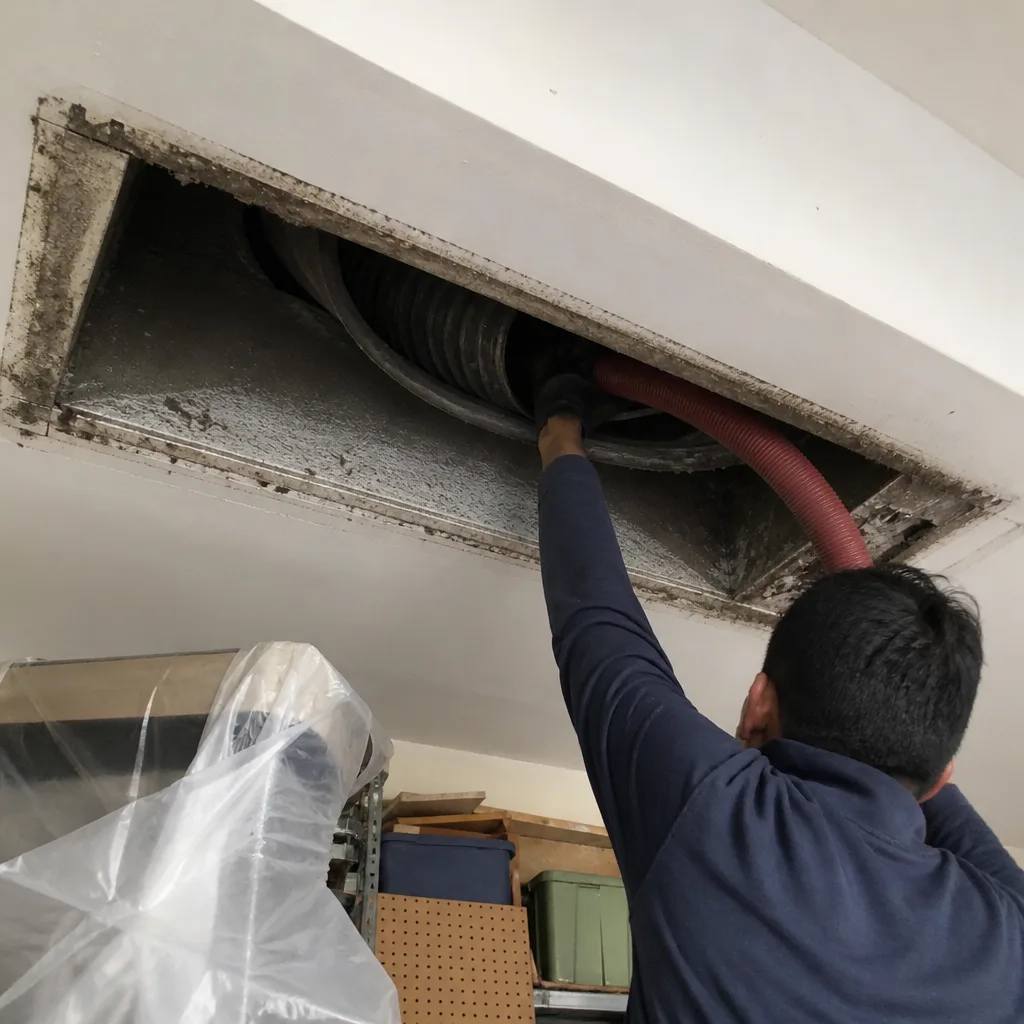 Before
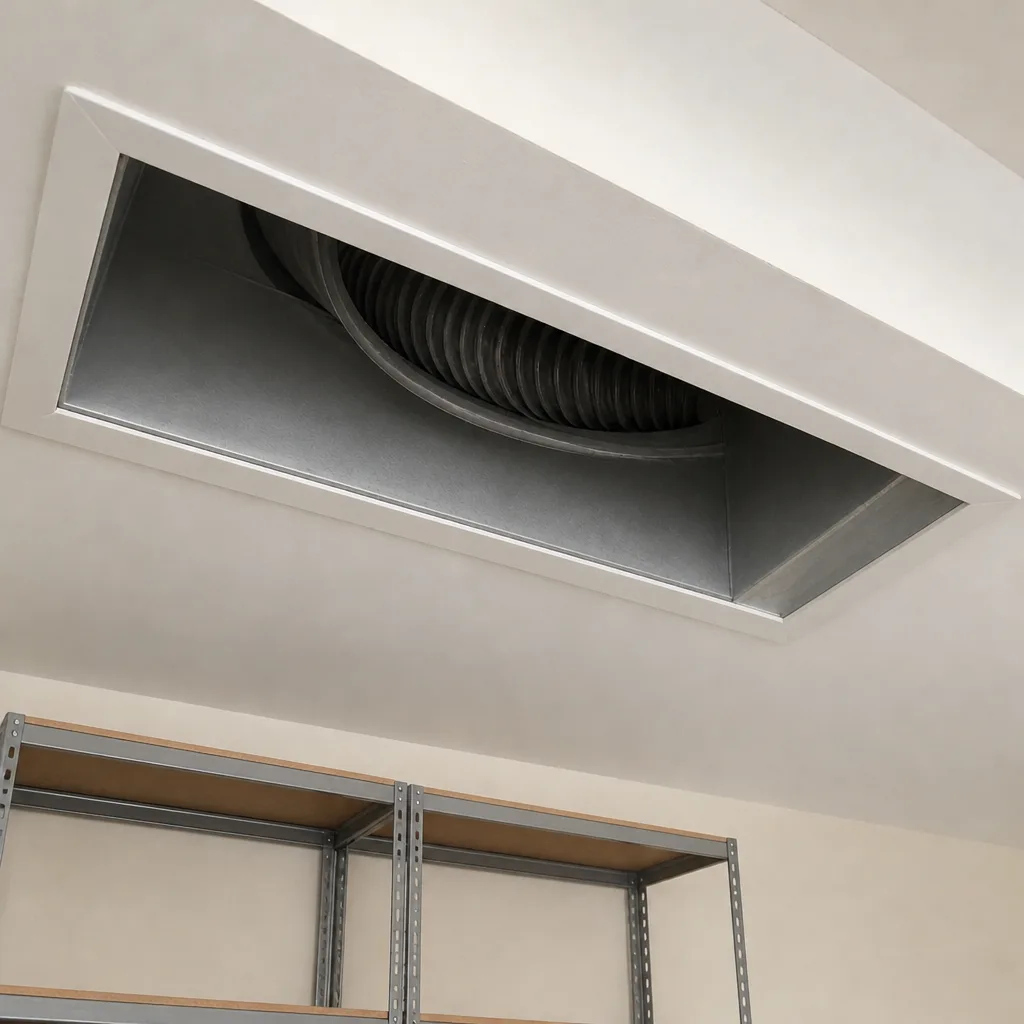 After
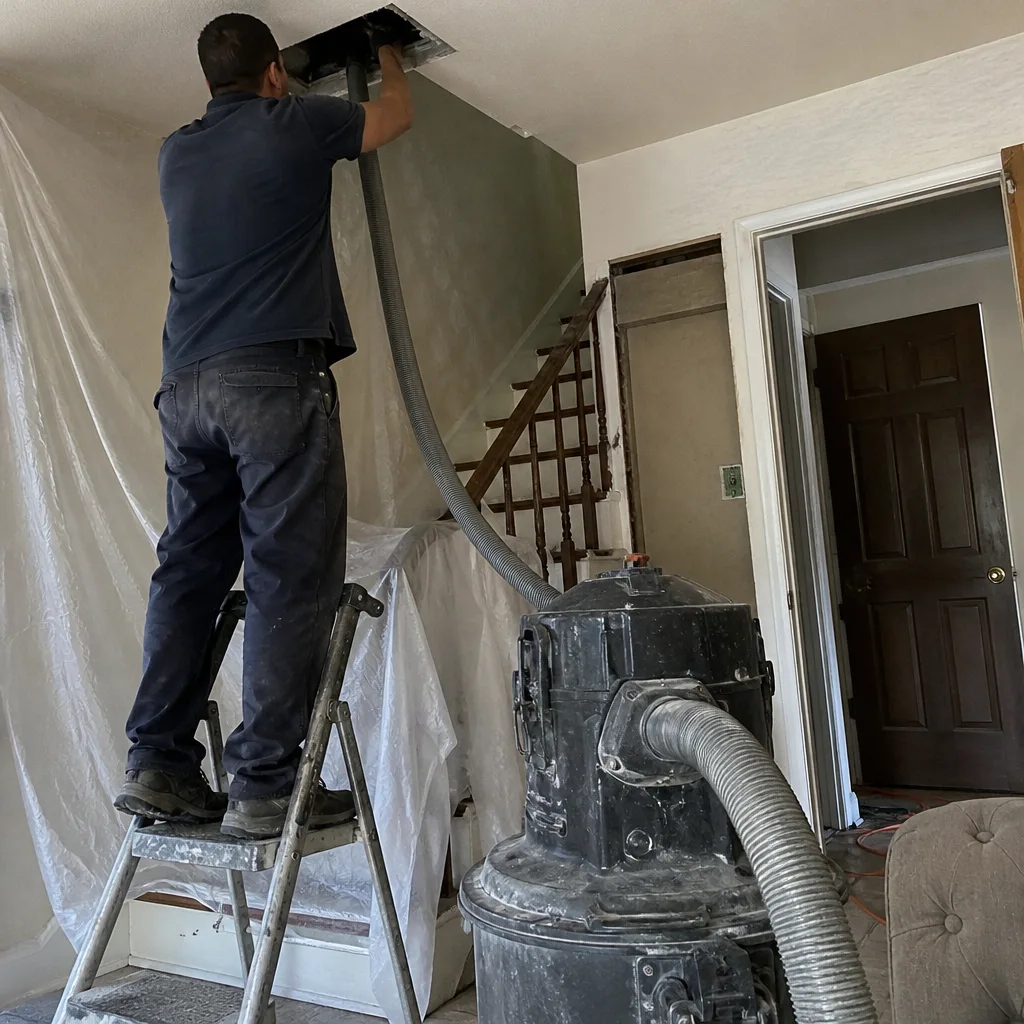 Before
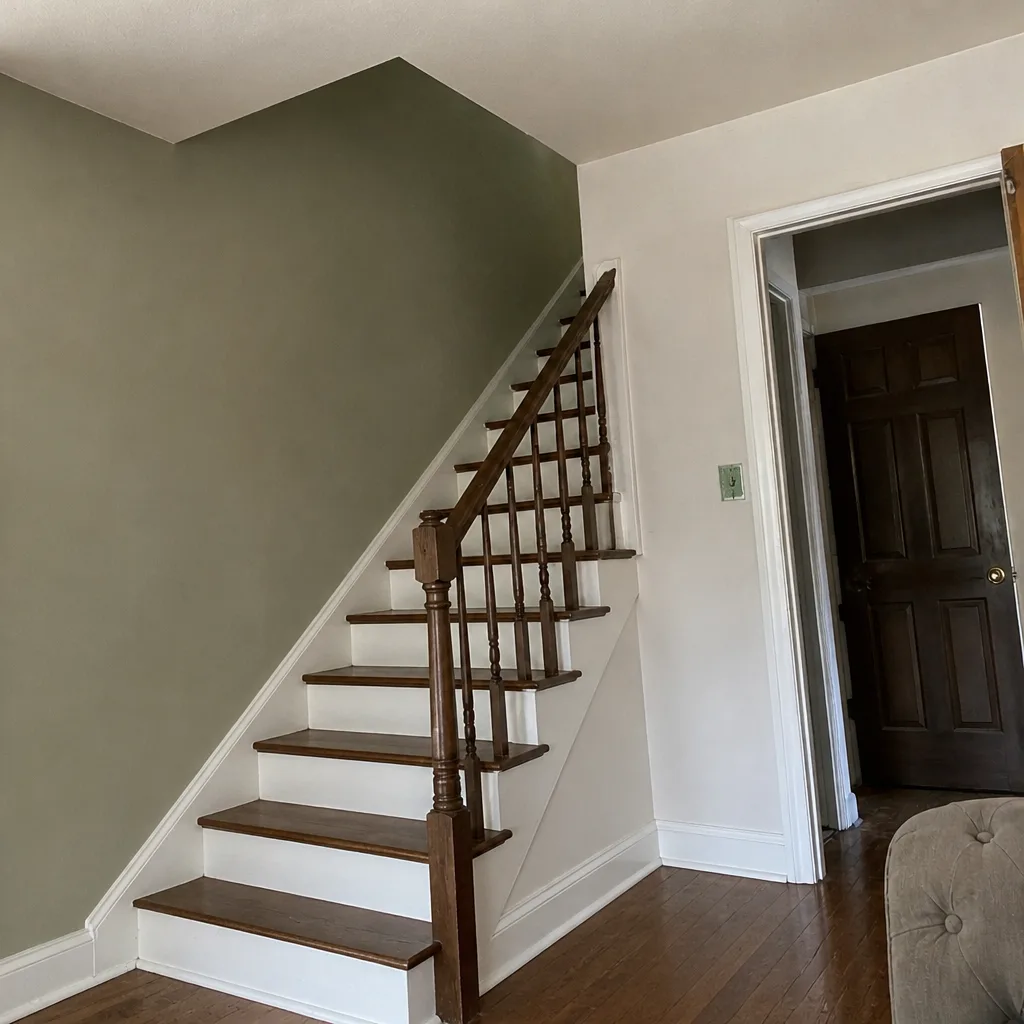 After
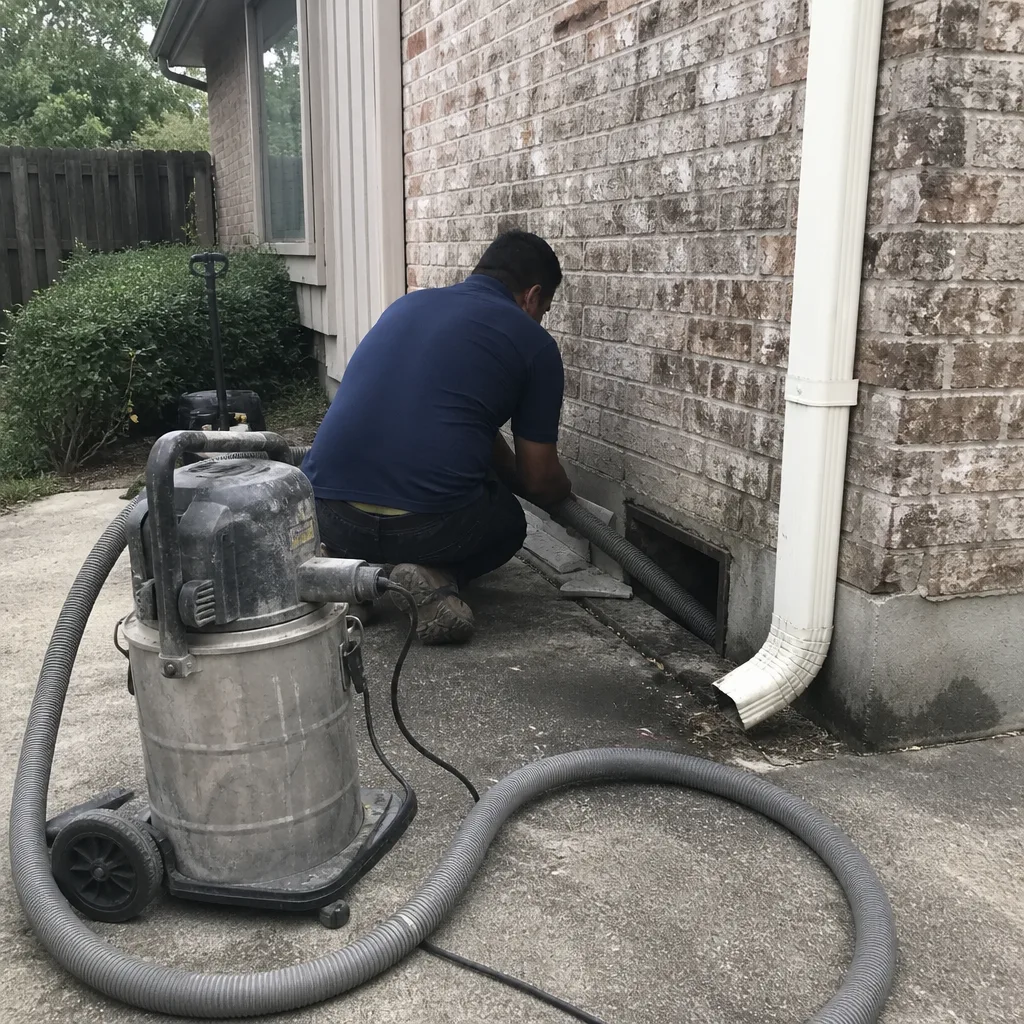 Before
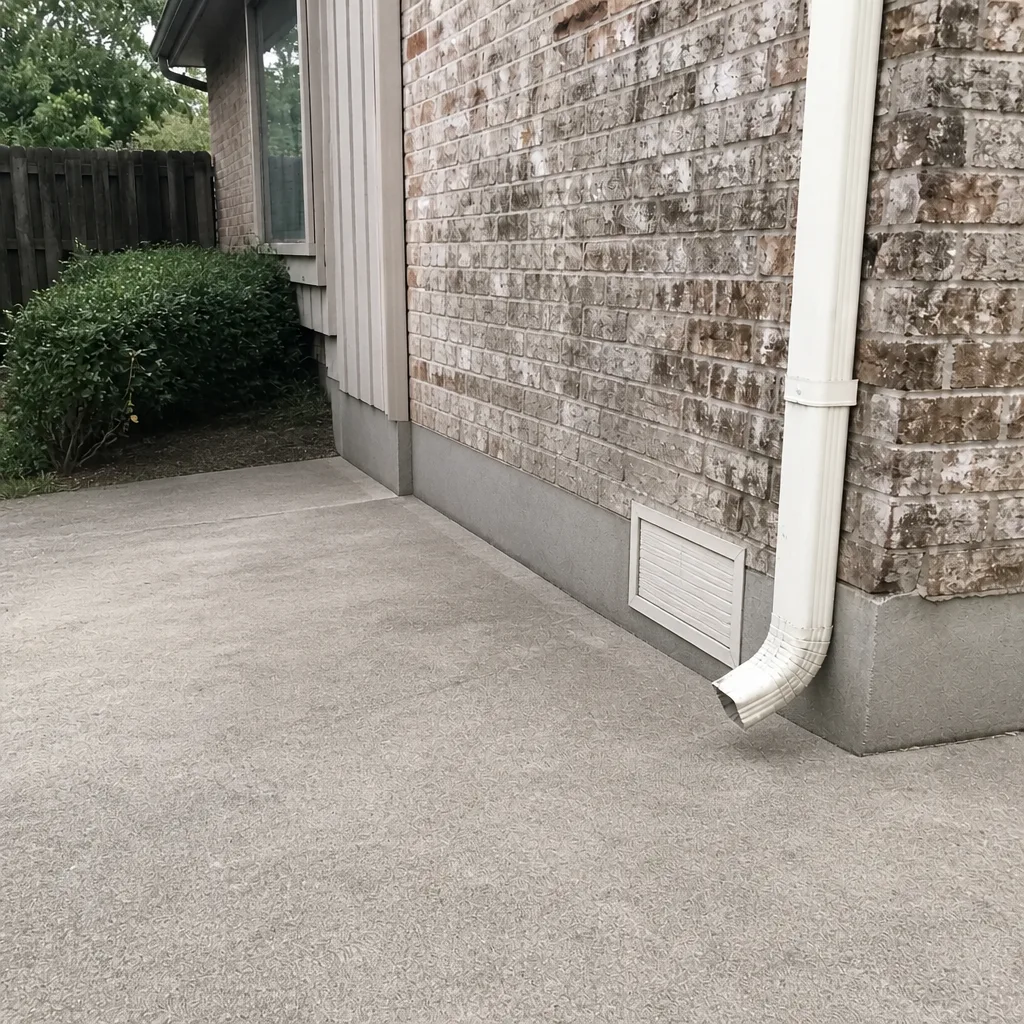 After
When to Call a Professional
Most duct work in Meyerland is safe to schedule as routine maintenance, and a regular cleaning is the right move when you notice dust returning quickly after a deep clean, musty odors coming from the registers, visible buildup at the plenum, or allergy symptoms that get worse in certain rooms. Call a professional when the problem is bigger than surface dust: a UV light or air purifier install that needs electrical work, duct runs that were added or moved during a renovation, a post-flood duct system that hasn’t been fully evaluated, or airflow problems that cleaning alone hasn’t fixed. Those are system questions, not cleaning questions.
Air Duct Cleaning Meyerland offers free estimates in Meyerland – call (877) 492-2022. We answer 24/7. Fast dispatch from 7am to 7pm, Sunday through Friday. We use Rotobrush and Nikro equipment, the same professional-grade tools commercial HVAC contractors rely on, and we handle repair, sealing, and Aprilaire and Honeywell air-quality products under one estimate.
Frequently Asked Questions
No. Routine air duct cleaning in Meyerland is maintenance and doesn’t require a permit. Permits enter the picture only when the work crosses into modification: new duct runs, new registers, or new electrical components like a UV light. Call (877) 492-2022 for an exact quote – estimates are free.
Usually yes, if it involves a new electrical connection. A hard-wired UV light or air purifier inside the air handler is electrical work, and electrical work in Harris County generally needs a permit. A unit that plugs into an existing receptacle and mounts externally is a different case. Ask the contractor to put the answer in writing before the job starts.
In most cases, yes. Duct sealing and repair of an existing duct system are typically treated as maintenance and don’t require a permit. What the code does require is that the sealing meet IRC standards for approved materials and joint integrity. The written scope should say which materials are being used.
You look for the visible markers: sealed joints, proper support spacing, no kinked flex duct, adequate insulation, and correctly sized return paths. A full verification usually needs a technician to open up the air handler closet and look at the accessible runs. Homes rebuilt after flooding are the likeliest to have a mix of compliant and non-compliant sections. Call (877) 492-2022 to schedule an assessment – estimates are free.
It’s worth having it assessed. Post-flood renovations in Meyerland often reconnected existing duct runs to a relocated air handler or changed the return path, and either can create airflow problems that cleaning won’t fix. If you don’t have documentation of what was done, an inspection is the way to find out. Call (877) 492-2022. We answer 24/7.
It shows up as a defect in the inspection report, and it can delay or complicate a sale. The fix is usually to pull the permit retroactively or have the work corrected and inspected. The best prevention is requiring your contractor to identify permit-triggering work in writing before the job begins, and keeping the invoice and photos with your household records.
The Bottom Line
Duct cleaning in Meyerland is maintenance and needs no permit. Duct sealing and repair are usually maintenance too, and they’re the work that actually brings an aging system toward code compliance. The permit questions live in the add-ons: UV lights wired into the air handler, new registers, new runs, and any electrical connection you add. Ask for a written scope that separates the two categories before work starts, keep the paperwork, and get photos of your own ducts when the job is done. If the work crosses into modification, get the permit question answered in writing first.
One flat price per system, agreed before work starts. Before-and-after photos of your own ducts. Rotobrush and Nikro equipment on every job. If your Meyerland home needs a duct assessment, a UV light installed properly, or a full sealing job done right, call (877) 492-2022 for a free estimate. We answer 24/7. Fast dispatch from 7am to 7pm, Sunday through Friday.
Written by the team at Air Duct Cleaning Meyerland.